
Views: 0 Author: Site Editor Publish Time: 2026-06-06 Origin: Site


Interior upgrades often trap you between two frustrating extremes. You either endure the high costs and messy labor of real brick and stone, or you settle for flimsy, flat peel-and-stick paper. Neither option truly satisfies modern design needs. Property owners and renters alike struggle to find a practical middle ground. Flat wallpapers look artificial. They tear easily. They offer zero structural protection for busy households or heavy-traffic commercial spaces. You need a reliable solution bridging the gap between stunning visual aesthetics and genuine room protection.
Enter the structural, 3D alternative transforming modern interior design. This comprehensive guide provides an evidence-based evaluation of these innovative wall panels. We explore material realities, safety compliance, installation risks, and objective buying criteria. By understanding the underlying science and practical limitations, you can make informed, confident purchasing decisions for your next renovation project.
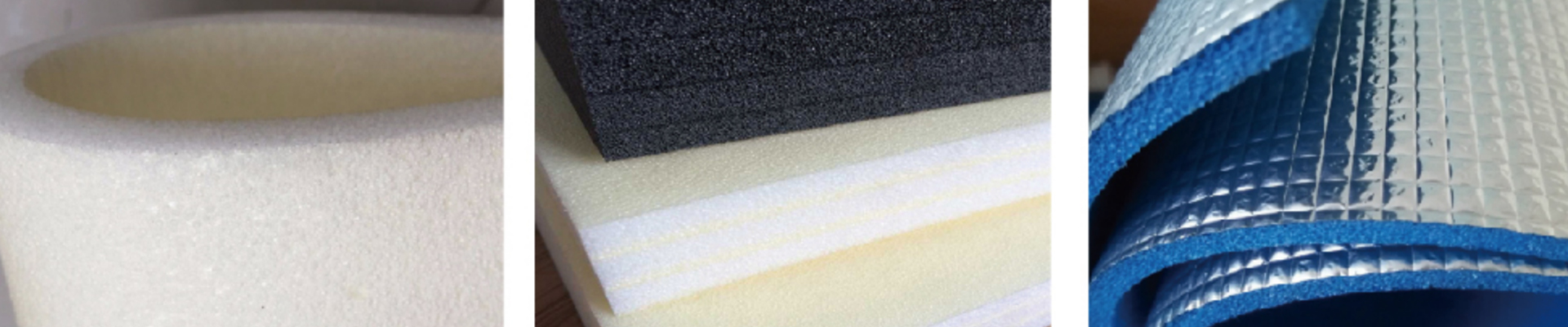
XPE (Cross-linked Polyethylene) is a high-density, non-toxic foam that provides structural 3D depth, sound dampening, and impact resistance.
Unlike traditional flat wallpaper, a high-quality foam wall sticker offers authentic visual textures (like real brick or marble) while hiding minor wall imperfections.
While highly durable and moisture-resistant, XPE foam requires specific surface preparation and is not suitable for high-heat environments or poorly primed drywall.
Evaluating thickness, adhesive grade, and format (continuous rolls vs. individual panels) is critical for commercial and residential success.
Modern wall coverings rely heavily on advanced polymer science. To understand why a XPE foam wall sticker performs so well, we must look at its molecular structure.
XPE stands for cross-linked polyethylene. Manufacturers treat standard polyethylene molecules to create chemical bonds between them. This cross-linking process changes the physical nature of the material. It forms a dense, closed-cell structure.
Compare XPE to cheaper alternatives like EVA (Ethylene Vinyl Acetate) or EPS (Expanded Polystyrene). EPS is essentially standard styrofoam. It feels brittle. It snaps under pressure. EVA offers flexibility but often carries a strong chemical odor. XPE avoids both pitfalls. It remains highly flexible, structurally resilient, and incredibly dense.
Indoor air quality matters immensely for any renovation material. XPE foam excels in this category.
Non-toxic and Odorless: Unlike PVC-based wallpapers, high-grade XPE emits almost zero Volatile Organic Compounds (VOCs). You can install it in a nursery or office without suffering through days of toxic off-gassing.
Fire-Retardant Properties: Safety is a primary concern. Reputable manufacturers integrate fire-retardant additives during the foaming process. This makes the panels fireproof or self-extinguishing. Such ratings are absolute prerequisites for commercial B2B procurement. Residential users also benefit from this added safety layer.
The closed-cell structure of XPE serves another vital function. It acts as an impermeable barrier. Water cannot penetrate the tightly bonded cells. This prevents moisture absorption completely. Furthermore, the trapped air within the dense foam cells provides baseline thermal insulation. Walls covered in XPE feel warmer to the touch during winter. They help stabilize ambient room temperatures efficiently.
Traditional wall coverings focus solely on aesthetics. XPE foam introduces mechanical and functional advantages to your living or working space.
Impact resistance is a standout feature. The dense foam actively absorbs physical shocks. Think about a lively children's playroom or a busy kindergarten. Kids frequently bump into walls. Hard drywall causes injuries. XPE cushions the impact safely.
Commercial spaces benefit equally. Hotel corridors, hospital hallways, and office lobbies face constant abuse. Luggage carts and office chairs scrape against walls daily. The foam absorbs these impacts. It prevents the underlying drywall from cracking or denting.
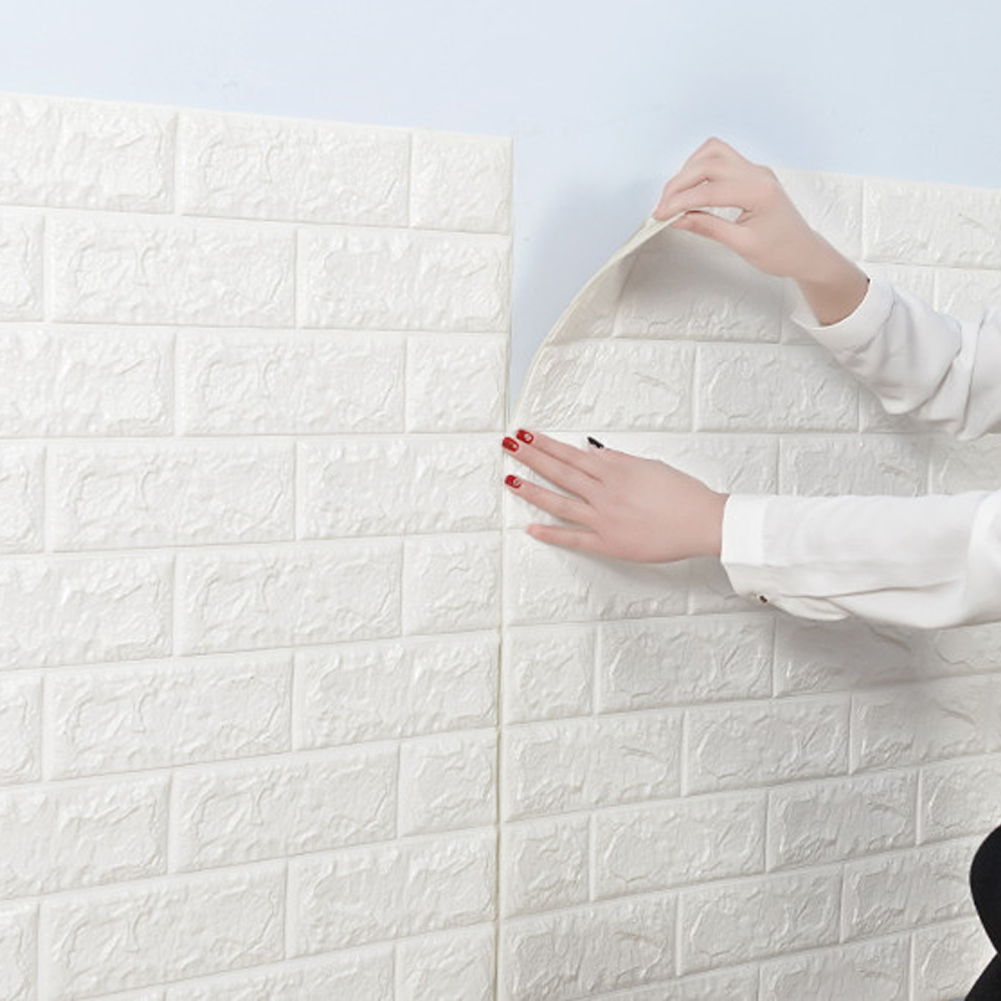
Standard 2D wallpaper fakes depth using printed shadows. The human eye easily spots this illusion. XPE panels use deep structural embossing. The manufacturing molds press distinct, physical textures into the foam.
When you buy a brick-patterned panel, the "bricks" actually protrude from the "grout" lines. This authentic 3D depth catches natural room light realistically. It casts genuine shadows. Premium finishes now replicate rustic brick, reclaimed wood, and polished marble with astonishing accuracy.
Empty rooms with hard drywall often suffer from harsh echoes. Sound waves bounce endlessly. While XPE foam is not a magic soundproofing material, it offers excellent acoustic dampening.
It reduces reverberation significantly. The soft, textured surface breaks up sound waves. It absorbs higher frequencies efficiently. This makes living rooms feel cozier. It makes busy commercial offices sound noticeably quieter.
Labor costs often ruin renovation budgets. Hiring contractors to lay real stone or install heavy wood paneling is expensive. XPE panels eliminate this financial burden entirely.
You measure your wall space.
You cut the foam using standard scissors.
You peel away the backing paper.
You press the panel onto the wall.
This "no-tools required" approach enables rapid deployment. You can completely transform a large room in a single afternoon.
Many buyers hesitate between standard wallpaper and 3D foam panels. A direct comparison reveals stark functional differences.
Wall preparation dictates the success of traditional wallpaper. If your wall has tiny dents, settling cracks, or nail holes, thin paper will telegraph every single flaw. You must skim-coat and sand the wall perfectly before hanging paper.
Foam completely masks minor imperfections. A 5mm or 8mm panel bridges over cracks effortlessly. It hides dents and uneven plaster. This surface forgiveness saves hours of tedious prep work.
Standard paper-based coverings stain easily. If a child draws on regular wallpaper, it is ruined. If grease splatters on it, the stain is permanent.
XPE features a waterproof, wipe-clean surface. You can remove crayon marks using a damp cloth. You can wipe away kitchen splashes with mild soap. It resists mold growth actively. This makes it infinitely more resilient in busy environments.
Initial purchase prices for premium foam panels may slightly exceed basic paper rolls. However, you must evaluate the extended lifespan. Standard wallpaper often peels or fades within a few years. It requires careful maintenance.
XPE demands zero maintenance. It resists tearing and water damage. It stays on the wall for years without degrading. This extended durability ensures your upfront investment stretches much further.
Feature | XPE Foam Panels | Traditional Wallpaper |
|---|---|---|
Visual Depth | True 3D physical embossing | Flat 2D printed illusion |
Wall Prep Needed | Minimal (hides minor cracks) | Extensive (requires smooth surface) |
Impact Resistance | High (absorbs shocks) | None (tears easily) |
Water Resistance | 100% Waterproof surface | Prone to moisture damage |
Installation Speed | Fast (Peel and stick) | Slow (Paste and book) |
Objective evaluation requires discussing limitations. No building material is perfect. You must understand the risks before installing a foam wall sticker.
Manufacturers design the adhesive backing for long-term hold. This strong adhesion creates a problem during removal. If you apply the panel directly to unprimed drywall, removing it later will likely tear the drywall's paper facing.
Even on painted walls, the industrial glue often leaves stubborn residue. You might need chemical adhesive removers or a heat gun to clean the wall completely. Renters should approach installation with caution. We recommend testing a small, hidden area first.
XPE is a thermoplastic polymer. It reacts poorly to extreme heat. You should never install these panels directly behind a gas stove. High-heat zones can melt the foam or cause the adhesive to fail catastrophically.
Prolonged, direct ultraviolet (UV) exposure poses another risk. If you install the panels in a sunroom facing intense daily sunlight, the colors may fade over several years. Indoor use away from direct, harsh sunlight yields the best results.
While foam hides wall cracks, the adhesive requires a specific foundation. The target surface must be clean, dry, and non-porous.
If you stick panels onto flaking paint, they will fall off. The glue bonds to the loose paint, not the wall. Heavily textured stucco walls also cause problems. The adhesive cannot make full contact with deep stucco ridges. You must wipe down dusty walls and let them dry completely before application.
The market is flooded with cheap imitations. To secure a high-quality product, you must evaluate several objective criteria.
Thickness dictates functionality. Manufacturers typically offer options ranging from 3mm to over 8mm.
3mm to 4mm: These are purely decorative. They offer minimal collision protection. The 3D embossing is shallow.
5mm to 6mm: This is the industry standard. It provides a great balance of distinct 3D texture, noticeable acoustic dampening, and good impact resistance.
8mm and above: Premium tier. These panels offer deep, hyper-realistic textures. They provide maximum collision protection for high-risk areas like schools or gyms.
You can purchase this material in two primary formats.
Standard interlocking panels (often 70x77cm) are incredibly popular. One person can handle them easily. They require careful alignment to match the brick or stone patterns perfectly.
Continuous long rolls (e.g., 50x2000cm) offer a different advantage. Rolls eliminate vertical seams almost entirely. They are ideal for covering long, continuous walls in commercial spaces. However, unrolling and applying a massive sticky sheet usually requires two people.
Cheap products use low-grade glue. Over time, room humidity causes the panel edges to curl outward. You want panels backed with industrial-grade hot melt adhesive.
How can you tell? Request a sample. The backing paper should require a firm pull to remove. Once stuck to a test surface, the edges should lay completely flat without lifting.
Commercial buyers face additional challenges. When ordering for a hotel renovation or office building, consider the following:
MOQ (Minimum Order Quantity): Ensure the factory can scale to your project size without excessive delays.
Factory Certifications: Demand proof of ISO 9001 and relevant fire-safety ratings before purchasing.
Batch Color Consistency: Manufacturing large volumes of colored foam can lead to slight tint variations. Stipulate strict batch color consistency in your purchasing contract to avoid mismatched walls.
XPE panels represent a significant leap forward in interior finishing. They seamlessly blend aesthetic upgrades with structural functionality. By choosing a quality product, you gain deep 3D realism, acoustic softening, and reliable impact protection.
The final verdict is clear. These panels are a high-yield investment. They facilitate rapid, high-impact aesthetic transformations without contractor fees. However, success depends entirely on honoring the material's limitations regarding heat, UV exposure, and surface preparation.
Your next step is simple. Do not place a bulk order blindly. Contact a reputable supplier and request a sample pack. Test the adhesive compatibility on your specific walls. Evaluate the physical thickness and density in person. Once you verify the quality, you can proceed with your full project confidently.
A: Yes, but with restrictions. The XPE surface is entirely waterproof and resists mold. It works perfectly near sinks or toilets. However, do not install them inside a shower enclosure. Constant, direct water immersion will eventually degrade the adhesive backing and cause the panels to detach.
A: Use extreme caution. The strong adhesive often damages drywall paper upon removal. To protect your deposit, apply wide painter's tape or masking tape to the wall first. Then, stick the foam panels directly onto the tape. This trick allows for safe, damage-free removal when your lease ends.
A: Trimming is incredibly easy. You do not need specialized tools. A sharp utility knife or heavy-duty household scissors will slice through the foam cleanly. This makes cutting around electrical outlets, light switches, and room corners a fast, frustration-free process.
A: Yes. If you want to change the room's color later, you can paint over the foam. Avoid oil-based paints. They can degrade the polymer. Instead, use a high-quality, flexible water-based latex paint or acrylic paint. Apply it using a paint sprayer or a thick-nap roller to reach into the 3D crevices.