
Views: 0 Author: Site Editor Publish Time: 2026-07-23 Origin: Site


Parents evaluating baby gear face a common dilemma. You need to know if a premium play space acts as a short-term newborn accessory. Or, does it serve as a multi-year investment? "How long it lasts" depends on two distinct factors. First, we must look at the structural durability of the material itself. Second, we must map out the developmental timeline of your child.
We take an objective, evidence-based approach here. High-quality foam materials are incredibly resilient and non-toxic. However, no nursery floor covering is completely indestructible under the wrong conditions. In this guide, you will learn the true lifespan of these products. We will explore the science behind foam degradation. You will discover exactly how structural integrity changes from infancy to toddlerhood. Finally, we provide actionable tips to maximize daily utility.
Material Lifespan: A high-quality XPE baby mat typically retains its structural integrity, cushioning, and waterproof properties for 3 to 5+ years under standard household use.
Developmental Utility: Children typically utilize play mats actively from the newborn stage (tummy time) through toddlerhood (crawling, walking, indoor gymnastics)—often spanning 0 to 4+ years.
Primary Vulnerabilities: The lifespan is most commonly shortened by sharp pet claws, heavy furniture compression, or the use of harsh chemical solvents that strip the protective film.
Safety Retention: Unlike PVC or EVA, cross-linked polyethylene (XPE) does not degrade into harmful micro-compounds or release VOCs as it ages.
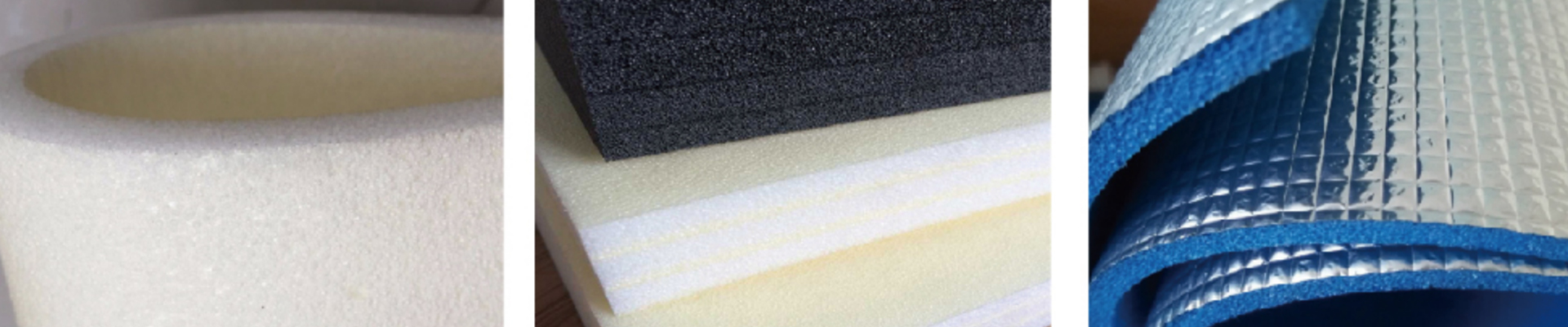
To understand lifespan, you must understand the material. Cross-linked polyethylene features a unique closed-cell structure. The chemical bonds form a tight, interwoven network. This microscopic design traps tiny air pockets inside the foam. It completely prevents moisture absorption. Spills sit harmlessly on the surface. Furthermore, this design resists long-term compression. The foam cells compress under pressure. They immediately spring back upward afterward. This vital physics prevents the material from bottoming out over time.
You can rely on specific lifespan benchmarks based on standard usage. Here is a realistic timeline for a well-maintained product:
Years 1-2: You will see zero to minimal structural change. The surface retains its original texture. The firmness remains identical to day one. The waterproof barrier performs perfectly.
Years 3-5: You might notice potential minor surface fading. Sun exposure causes slight color shifts. Micro-scratches occasionally appear from rough toys. However, the core impact absorption remains fully intact.
We must emphasize surface film integrity. Manufacturers apply a protective lamination layer over the foam core. The lifespan heavily ties to this top film. This layer dictates waterproof capabilities. It also ensures anti-slip performance. If the film wears away, the inner foam becomes vulnerable. Friction, harsh chemicals, or sharp objects can degrade this lamination. Preserving this top layer guarantees a lifespan extending well beyond three years.
Structural survival is only half the equation. We must also evaluate practical utility. Will your child actually use it for years? The answer is a definitive yes. The functionality simply evolves as your child grows.
Infant Stage (0-6 Months): Parents use it primarily as a safe, non-toxic barrier. It is the ideal environment for tummy time. Thermal insulation plays a critical role here. The thick foam protects babies from cold hardwood or tile floors.
Crawling & Early Walking (6-18 Months): The surface functions as critical impact protection. High-density foam prevents bruising during inevitable falls. Toddlers stumble frequently while learning to walk. The cushioning safely absorbs the shock of these tumbles.
Toddler & Preschool Stages (1.5–5 Years): The space transitions from a safety necessity to an active play zone. An xpe rolling play mat easily adapts into a dedicated area. Kids use it for building blocks. They practice tumbling safely. Parents love it for messy play because cleanup requires just a damp cloth.
Consider the long-term utility takeaway. This item outlasts most other baby gear by several years. Bassinets last merely six months. Infant car seats get outgrown rapidly. A premium floor covering serves your family continuously through preschool.
You cannot judge longevity without comparing alternative materials. Budget shoppers often look at EVA or PVC options. However, these materials behave very differently over a multi-year period.
Compression set resistance is a major differentiator. Cross-linked foam bounces back after heavy impact. Cheaper EVA products tend to permanently dent. They flatten out over time in high-traffic areas. This flattening ruins the protective cushioning your toddler needs.
Chemical stability matters immensely. We must address the compliance factor over time. PVC products can off-gas phthalates as they age. Direct sunlight accelerates this chemical release. XPE remains chemically inert. It stays strictly compliant with standard safety certifications. Certifications like ASTM and CPSIA apply throughout its entire lifespan. You never have to worry about aging toxicity.
Finally, consider peeling and flaking risks. Poorly manufactured EVA puzzle pieces separate easily. The interlocking edges flake off after months of use. Babies often chew on these loose pieces. Single-piece designs completely eliminate these choking hazards. Tightly bound edges prevent degrading materials from harming your child.
Review the comparison below to understand how materials age:
Material Type | Compression Resistance | Chemical Stability (Aging) | Flaking & Peeling Risk |
|---|---|---|---|
Cross-Linked Polyethylene | High (Bounces back instantly) | Excellent (Inert, no VOC release) | Low (Single piece, sealed edges) |
EVA Foam | Low (Dents easily over time) | Moderate (Generally safe, breaks down) | High (Puzzle edges flake off) |
PVC | Moderate (Heavy but holds shape) | Poor (Potential phthalate off-gassing) | Low (Usually one solid piece) |
We believe in transparent product expectations. These items are incredibly durable but not invincible. Certain environmental factors will drastically shorten their lifespan. You must avoid these common hazards.
Pets pose the greatest risk. Cats love scratching soft surfaces. Heavy dogs often have untrimmed nails. These sharp claws easily puncture the waterproof film. Punctures allow moisture to enter the foam core. This introduces harmful bacteria into the material. Keep pets away to extend longevity.
Heavy furniture creates another major problem. Avoid placing heavy, narrow-legged furniture on the surface. Sofas, heavy coffee tables, and bookcases cause permanent indentation. The constant, intense pressure crushes the closed cells permanently. This definitely shortens the overall lifespan of the item.
Improper cleaning agents ruin the surface quickly. Harsh chemicals destroy the product. Bleach strips the non-slip lamination layer entirely. Acidic cleaners dissolve the protective film. Abrasive scrubbing pads scratch the surface deeply. Always stick to mild soap and warm water for daily maintenance.
Heat exposure causes severe warping. Do not place the product over high-temperature radiant floor heating. Extreme summer sun also damages the foam structure. Permanent outdoor storage ruins the material rapidly. UV rays break down the protective lamination layer over time.
Not all products are manufactured equally. You must evaluate specific criteria before making a purchase. Knowing what to look for ensures you buy an item designed for a five-year lifespan.
First, thickness matters significantly. You must evaluate thickness carefully. Compare 0.4-inch options against 0.6-inch options. Thicker items generally offer a much longer lifespan against compression. They absorb heavier toddler impacts without bottoming out.
Second, inspect the edge sealing quality. Look for pressed or reinforced edges. Weak edges allow the top lamination layer to peel backward. Reinforced corners prevent this separation. Properly sealed edges keep moisture from seeping into the core.
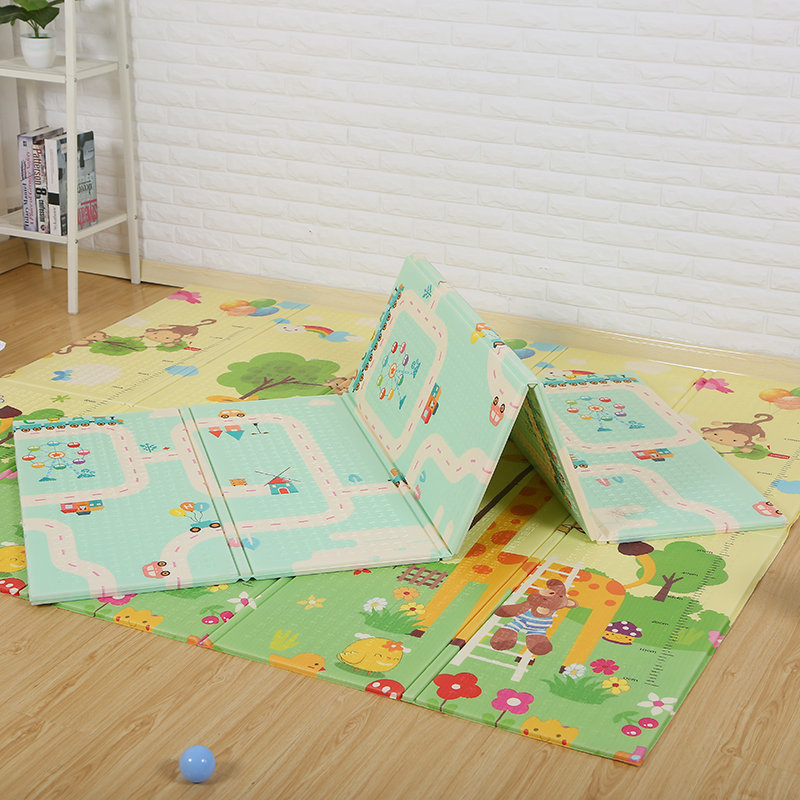
Third, consider storage mechanisms. Think about how you will put it away. An xpe baby mat that rolls offers distinct structural benefits. Folding products develop deep creases. Deep creases create permanent weak points in the foam structure. These weak points inevitably tear after repeated folding and unfolding. Rolling prevents these stress fractures.
Take action before checking out. Always review the manufacturer's warranty details. Look for independent third-party non-toxic certifications. Verify these safety and durability claims before finalizing your purchase.
An XPE baby mat stands out as a proven multi-year investment. It easily covers the entirety of a child's early developmental stages. You can expect reliable safety from infancy straight through preschool. Longevity remains a direct result of proper daily maintenance. You must protect it from pets, heavy furniture, and harsh chemicals.
Choosing a verifiable, high-density material over budget alternatives makes all the difference. We highly recommend exploring premium options to ensure maximum longevity. Browse high-density, certified collections today to find the perfect fit for your nursery. Read the specific care guide for any newly purchased products. Proper care guarantees years of safe, comfortable play.
A: You should encourage frequent, short sessions. Balance floor time and tummy time against restrictive container time. This prevents overstimulation and physical fatigue. Aim for 30 to 60 minutes of active floor play spread throughout the day for infants. Toddlers can safely spend hours playing on it daily.
A: Small punctures can be taped safely. Use specific waterproof repair tape for minor surface damage. However, large tears permanently compromise the waterproof and bacterial barrier. If a large rip occurs, bacteria can harbor inside the foam. We recommend replacing it if large sections tear.
A: Temporary outdoor use is perfectly safe. You can take it outside for an afternoon picnic. However, permanent outdoor storage ruins the foam. UV degradation from the sun breaks down the lamination. Extreme heat warps the material. Always bring it indoors after playtime finishes.
A: Roll it up loosely. Always roll it with the printed side facing out. This prevents the edges from curling upward when you lay it flat again. Store it in a cool, dry closet away from direct sunlight. Avoid placing heavy items on top of the rolled cylinder.