
Views: 0 Author: Site Editor Publish Time: 2026-06-05 Origin: Site


Yoga and Pilates promote deep breathing, mindfulness, and holistic health. Yet, an alarming disconnect exists right beneath our hands and feet. Standard market mats often hide endocrine-disrupting chemicals and toxic synthetics under their colorful surfaces. We practice to heal our bodies. We should not have to inhale hazardous fumes to do so.
Manufacturers frequently rely on "greenwashed" labels to sell products. This makes it hard to identify truly safe options. Our goal is to cut through these deceptive marketing claims. We will objectively evaluate mat materials based on chemical safety, off-gassing, and real-world performance realities.
This guide provides an evidence-based breakdown of toxic materials you must avoid. You will discover the top natural materials renowned for their purity. Finally, we will take an objective look at where a high-quality eva yoga pilates mat fits into a health-conscious practice.
PVC is the primary hazard: Accounting for a massive share of the market, Polyvinyl Chloride relies on toxic plasticizers (phthalates) and releases VOCs.
Beware of "Eco-Friendly" loopholes: Many heavily marketed TPE and PER mats are still synthetic polymers masking undisclosed chemical additives.
Natural materials are the gold standard for purity: Cork, organic cotton, and certified natural tree rubber offer the healthiest profiles, though they come with weight and maintenance trade-offs.
EVA is the safest synthetic: An eva yoga pilates mat contains no PVC, BPA, or phthalates, making it a credible, lightweight alternative for practitioners prioritizing budget and portability without sacrificing baseline chemical safety.
Many practitioners fail to realize the intimate nature of floor exercises. When you practice, your face hovers mere inches from your mat. You inhale deeply. Your skin maintains direct contact with the surface for an hour or more.
Mats constantly absorb body heat, sweat, and intense physical friction. This combination accelerates the release of volatile organic compounds (VOCs). VOCs are chemical gases emitted from solid solids or liquids. You inhale these trapped chemicals deeply during poses like Child's Pose or Chaturanga. Repeated exposure can lead to respiratory irritation, headaches, and long-term health concerns.
PVC remains the most common and dangerous plastic used in fitness gear today. Pure PVC is naturally hard and brittle. To turn it into a soft, rollable mat, manufacturers must add heavy chemical plasticizers.
Phthalate Dependency: PVC requires phthalates to become a flexible plastic. These chemicals do not bind perfectly to the plastic. They slowly leach out over time.
Health Impacts: Phthalates are widely linked to endocrine disruption. They can interfere with hormone production and reproductive health. PVC also off-gasses toxic VOCs into your home environment.
Implementation Reality: From an environmental standpoint, PVC is virtually impossible to recycle safely. As it degrades, it leaves behind toxic microplastics that pollute waterways and soil.
You should always avoid mats boasting "anti-odor" or "antibacterial" properties without explicitly naming the active agent. This is a massive red flag. Many cheap mats use triclosan to prevent smell. Triclosan is a registered pesticide. Studies consistently link it to thyroid issues and antibiotic resistance. If a brand will not disclose its antimicrobial ingredients, do not trust them with your health.
Vibrant, cheap foam mats often look appealing. However, they frequently rely on heavy metals (like lead or cadmium) and AZO dyes to achieve those bright colors. These uncertified chemical dyes easily transfer to human skin. They are especially dangerous when combined with acidic human sweat. Always demand transparency regarding dye safety when choosing a yoga mat.
The wellness industry frequently uses clever marketing to sell inferior materials. "Greenwashing" occurs when a brand uses misleading eco-friendly buzzwords to hide toxic realities. You must learn to decode these labels.
Brands market TPE widely as the ultimate "eco-friendly" upgrade to traditional PVC. This claim is often highly misleading. TPE is not a single, specific material. It is a broad umbrella term. It simply refers to any blend of plastic and rubber. Manufacturers rarely disclose the exact synthetic blend they use. They mix unknown polymers and chemical glues. Because the formula remains a trade secret, safety claims regarding TPE are largely unverifiable. You never truly know what you are standing on.
Marketers often present PER as a purely natural alternative. This is completely false. PER is fundamentally just a PVC derivative. It is traditional PVC treated with non-phthalate plasticizers. While it represents a slight improvement over standard PVC, it is still a toxic plastic. It is definitely not "natural." It is not fully non-toxic. It simply replaces one controversial chemical with another lesser-known chemical.
Many eco-conscious buyers look for the word "recycled." However, recycled materials often hide dark secrets. Recycled PVC or unverified recycled tire rubber simply repurposes existing toxins. You are just molding old, toxic chemicals into a new shape. Tires contain known carcinogens like 1,3-butadiene. Evaluation Standard: You must remember that "recycled" does not equal "healthy for human contact." Breathing in dust from recycled industrial tires is actively harmful to your practice.
If you demand absolute chemical purity, natural materials provide the gold standard. They eliminate synthetic off-gassing. However, organic materials do require a shift in expectations regarding weight, grip, and maintenance.
Cork is harvested from the bark of cork oak trees. The trees regenerate naturally, making this highly sustainable.
Why it is safe: Cork is naturally antimicrobial. It kills bacteria and prevents odors without needing any chemical treatments. High-quality brands use water-based binding or heat-pressing instead of toxic glues to fuse the cork to a base.
Performance outcome: Suberin, a waxy substance in cork, activates with moisture. Grip actually improves significantly as you sweat. This entirely eliminates the need for a separate yoga towel.
Adoption Risk: Cork can feel quite rigid. It is prone to creasing or cracking if you fold it rather than rolling it carefully.
Natural rubber comes directly from rubber tree sap. It is arguably the most popular eco-friendly choice for intense practices.
Why it is safe: It is fully biodegradable and highly cushioned. However, it must be verified. Look for FSC (Forest Stewardship Council) or GOLS (Global Organic Latex Standard) certifications. These ensure no toxic polyurethane (PU) blending occurs during manufacturing.
Performance outcome: It offers superior joint support. It provides incredible dry grip for advanced inversions and balances.
Adoption Risk: Natural rubber contains latex, posing a severe allergy risk for some. It also requires an initial off-gassing period to release a harmless, but strong, natural rubber smell. Finally, these mats are significantly heavier to transport.
These traditional materials offer a historical connection to ancient yoga practices in India.
Why it is safe: They are 100% natural and incredibly pure. They are completely free from plastics. You can easily machine wash organic cotton.
Performance outcome: They are excellent for slow, restorative flows. Many users layer them over another mat for extra stability.
Adoption Risk: They lack the spongy cushioning required for modern Pilates. They do not protect joints well during dynamic, joint-heavy Vinyasa flows.
Material Type | Toxicity Level | Best Feature | Biggest Drawback |
|---|---|---|---|
PVC | High (Toxic VOCs) | Very cheap, durable | Endocrine disruptors |
Natural Cork | None (100% Pure) | Wet grip, antimicrobial | Can crack if folded |
Tree Rubber | None (If Certified) | Dense joint support | Heavy, latex allergies |
EVA Foam | Low (Inert Synthetic) | Ultra-lightweight | Not biodegradable |
Natural materials are excellent but often expensive, heavy, and high-maintenance. For everyday practitioners, an eva yoga pilates mat frequently bridges the gap between functionality and baseline safety. Let us evaluate it objectively.
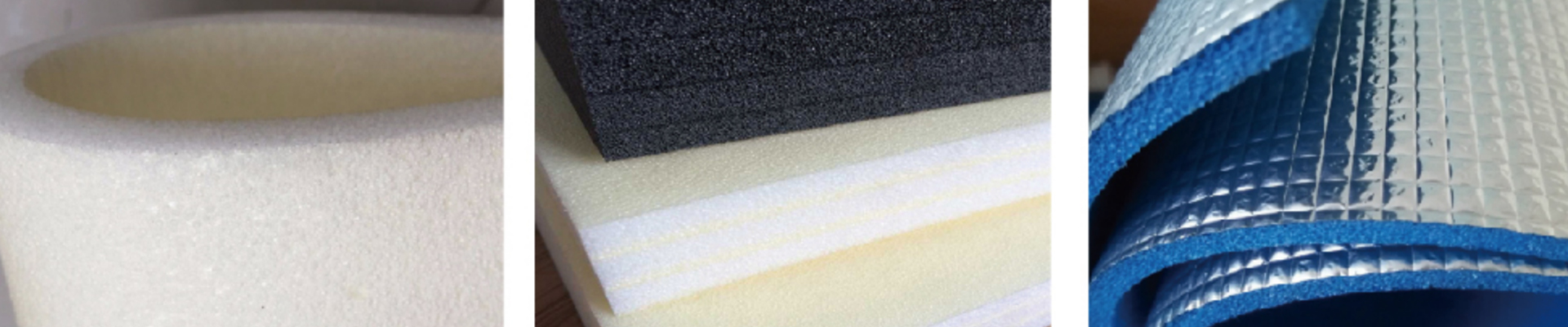
Ethylene-Vinyl Acetate (EVA) is an extremely dense, spongy foam. It is widely utilized across safety-critical industries. You will find EVA in baby play mats, medical tubing, and professional athletic equipment. It is chemically distinct from traditional hard plastics.
When you source from reputable brands, EVA presents a very clean safety profile.
No Harsh Plasticizers: Unlike PVC, EVA does not require highly toxic plasticizers to achieve its soft, flexible state. It is inherently soft.
Zero PVC or BPA: It is categorically free of PVC, BPA, heavy metals, and dangerous phthalates.
Formamide-Free Status: High-grade EVA is manufactured to be completely formamide-free. This removes the main chemical worry associated with cheap industrial foams.
From a functional standpoint, EVA solves several common practitioner pain points.
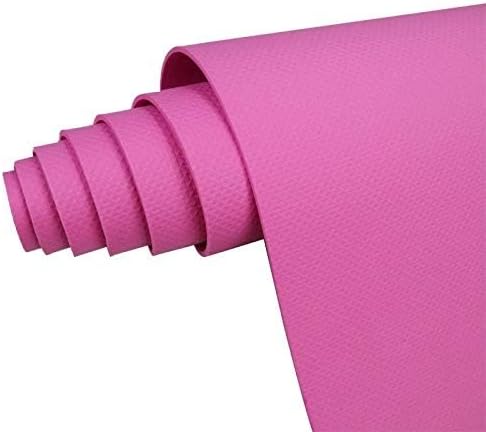
Travel-Friendly: EVA is incredibly lightweight. This makes an eva yoga pilates mat the absolute best option for traveling. It is perfect for commuters who walk long distances to their studios.
Hygiene and Cleanliness: EVA features a strictly closed-cell structure. This physically blocks moisture, sweat, and bacteria from penetrating the core. It prevents internal mold buildup natively.
Exceptional Cushioning: It provides deep, responsive cushioning. This protects sensitive knees and wrists during prolonged floor work.
We must remain entirely objective. EVA is still a synthetic petrochemical product. It is chemically inert and completely safe for human skin contact. However, it does not biodegrade in a landfill like organic cork or natural rubber. It will sit in the environment for decades after disposal.
The eva yoga pilates mat serves as an optimal choice for specific users. If you need an affordable, highly portable, and deeply cushioned mat, it performs brilliantly. Most importantly, it completely clears the critical hurdle of being strictly non-toxic to human health.
Selecting the healthiest mat depends entirely on your specific physical needs, daily routine, and personal values. Use this framework to narrow down your optimal choice.
Your joints dictate your material needs. High-impact exercises require different support than static holds.
High Impact / Pilates: Pilates involves intense spinal rolling and knee pressure. You require much thicker cushioning. Look for thick EVA foam or highly dense natural rubber.
Hot Yoga: Sweat changes the traction dynamic entirely. You require superior wet-grip materials. Prioritize natural Cork or Organic Cotton.
How you transport your gear matters just as much as how you use it.
If commuting daily: Carrying a heavy rubber slab will ruin your posture. Prioritize a lightweight eva yoga pilates mat. They rarely exceed two pounds.
If practicing at home: Weight does not matter for a dedicated home studio. Invest in a heavy natural tree rubber mat. A five-pound mat provides ultimate floor grounding and will not curl at the edges.
Never trust unverified marketing text. Demand tangible proof of safety. Look for recognized global certifications.
MADE SAFE: Verifies the absence of known human toxins.
GOTS: The gold standard for organic cotton purity.
GOLS: Ensures natural latex contains no synthetic PU blends.
OEKO-TEX Standard 100: Tests for hundreds of harmful chemical residues.
You must actively reject vague "eco-friendly" text that lacks independent lab backing.
Your Main Priority | Best Material Match | Why It Works |
|---|---|---|
Heavy Sweating / Hot Yoga | Natural Cork | Grip improves drastically when wet. |
Daily Commuting / Travel | EVA Foam | Ultra-lightweight, closed-cell hygiene. |
Maximum Joint Protection | Natural Rubber / Thick EVA | Dense compression prevents joint pain. |
Absolute Zero Synthetics | Organic Cotton | 100% natural, machine washable. |
Final Summary: Transitioning away from PVC is the single most important step you can take for your health. Toxic plasticizers, heavy metals, and VOCs have no place in a mindful wellness routine. The hidden health risks of standard plastics far outweigh any temporary financial savings.
Next Steps: First, assess your current gear. If it smells strongly of chemicals after weeks of use, discard it safely. For absolute environmental purity, shortlist a certified cork or natural tree rubber mat. If you need a reliable, joint-friendly, and non-toxic daily driver that won't weigh down your gym bag, evaluate a high-grade eva yoga pilates mat. Protect your lungs, protect your joints, and practice with total peace of mind.
A: No. Natural rubber mats do possess a distinct, earthy scent initially. However, this is vastly different from synthetic VOC off-gassing. The scent of real tree rubber is completely harmless to your lungs. It naturally dissipates over a few weeks when left unrolled in a well-ventilated room.
A: It can be. EVA features a closed-cell nature. This makes it highly hygienic because it blocks sweat absorption. However, this means sweat pools on the surface during intense sessions. For hot yoga or heavy sweating, we highly recommend pairing your EVA mat with a grippy cotton or microfiber towel.
A: You should avoid harsh chemical sprays completely. They rapidly degrade natural materials and EVA foam. Create a simple DIY formulation instead. Mix distilled water, a splash of witch hazel, and exactly one drop of tea tree oil. Spray lightly and wipe clean with a soft cloth. Always let it air dry completely before rolling.