
Views: 0 Author: Site Editor Publish Time: 2026-06-04 Origin: Site


Walk into any gym or browse online retailers, and you will see a flooded market of fitness equipment. Material composition directly dictates both user safety and product lifespan, making your choice critical. You will quickly notice the term "EVA" attached to many products. However, buyers often struggle to separate clever marketing hype from the actual chemical reality. Choosing an eva yoga pilates mat ultimately requires a careful calculation of immediate benefits versus long-term resilience. It excels in initial cushioning and affordability. Still, it requires compromises regarding high-intensity traction and structural memory. This article provides an evidence-based, skeptical-friendly evaluation framework. We will detail the material science, core strengths, and known limitations. You will learn how to decide if EVA aligns perfectly with your specific practice requirements and budget constraints.
Material Science: EVA (Ethylene-Vinyl Acetate) is a lightweight, closed-cell synthetic foam known for high buoyancy and impact absorption.
Primary Strengths: Delivers maximum thickness-to-weight ratio, ensuring joint comfort for Pilates and floor work without becoming cumbersome to carry. Easy to clean due to its waterproof nature.
Core Limitations: Susceptible to "compression set" (permanent flattening over time), lacks the wet-grip required for heated yoga, and may exhibit minor initial off-gassing.
Best Use Case: Ideal for beginners, light-duty static stretching, Pilates, and commercial bulk sourcing where initial cost control outweighs decade-long durability.
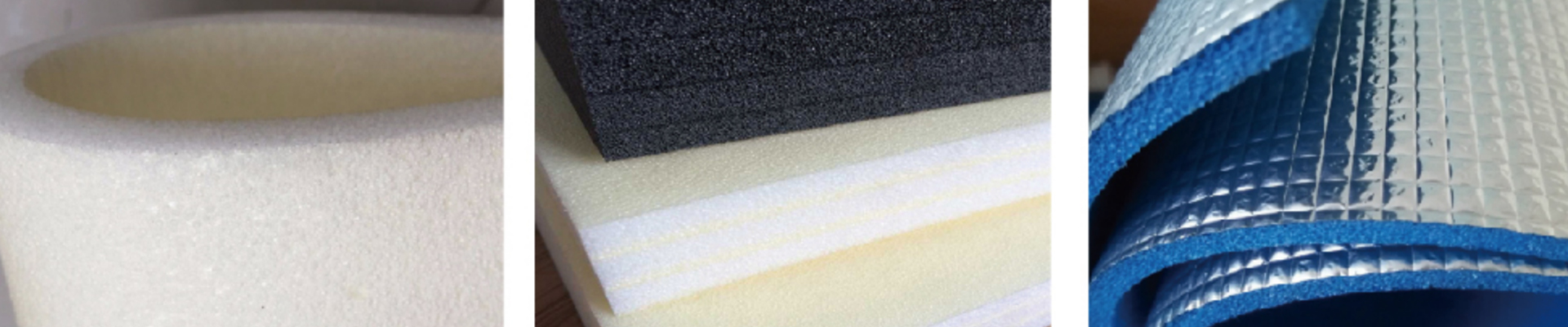
Manufacturers heavily favor Ethylene-Vinyl Acetate across the athletic industry. We define EVA as an elastomeric polymer. It produces synthetic materials boasting a "rubber-like" softness and flexibility. It achieves this impressive texture without carrying the heavy physical weight of actual tree rubber. Closed-cell foam operates remarkably well at a microscopic level. It traps tiny air bubbles within discrete pockets during the heating and molding process. This cellular architecture creates an impenetrable barrier. It prevents moisture, particularly sweat and spilled water, from permeating the core of the mat.
We must look at the global supply chain to understand its ubiquity. From a manufacturer's perspective, this material solves critical logistical challenges. B2B markets rely heavily on it because it proves incredibly cost-effective to produce at scale. Factories handle the raw materials efficiently through standardized processes. Shipping logistics also play a massive role in product pricing. Its extreme lightweight characteristics drastically reduce global shipping and distribution costs. Shipping containers hold thousands of these rolls without ever nearing maximum weight limits. Conversely, heavy natural rubber forces companies to pay premium freight rates. These inherent cost savings directly pass to the consumer. This dynamic ultimately drives EVA's total dominance in budget-friendly retail categories.
The standard manufacturing phases highlight why factories prefer it:
Extrusion: Raw polymer pellets melt rapidly and form continuous, pliable sheets.
Embossing: Heated rollers press textured patterns onto the surface to establish basic grip.
Cooling: The foam stabilizes quickly, permanently locking in those microscopic air pockets.
You will find superior joint cushioning here compared to denser alternatives. We connect the material's high buoyancy directly to favorable user outcomes. Consider the anatomy of a typical Pilates routine. You constantly transition between kneeling, rolling, and seated positions. These movements apply concentrated pressure onto specific joints. EVA's impressive thickness provides necessary skeletal protection. It cushions the joints effectively, preventing painful compression. Ultra-thin rubber mats simply cannot absorb these point-loads comfortably, leaving you vulnerable to bruising on hard studio floors.
Hygiene and daily maintenance translate perfectly to real-world studio use. The closed-cell nature actively resists bacterial growth. It blocks sweat absorption entirely, keeping the interior pristine. You can sanitize it quickly with basic wipe-downs after an intense class.
Portability offers another clear functional advantage. Frame the benefit of carrying a highly thick 10mm+ yoga mat onto a crowded subway. It weighs a mere fraction of standard synthetic alternatives. Commuters and studio travelers optimize their daily carrying weight this way, eliminating the shoulder strain associated with premium rubber mats.
Best Practices for EVA Maintenance: Wipe the surface down using a damp microfiber cloth after every session. Avoid leaving it in direct, intense sunlight in your car, as excessive UV exposure rapidly degrades the synthetic polymer bonds.
Multi-functional versatility makes it an interesting asset beyond the gym. People recognize its utility far beyond traditional fitness routines. Its ease of cutting and gluing sparks extensive creativity. Repurposed EVA mats appear frequently in budget DIY projects. You see them used as utility flooring in garages and even tailored into elaborate cosplay armoring. This demonstrates the material's highly adaptable, workable nature.
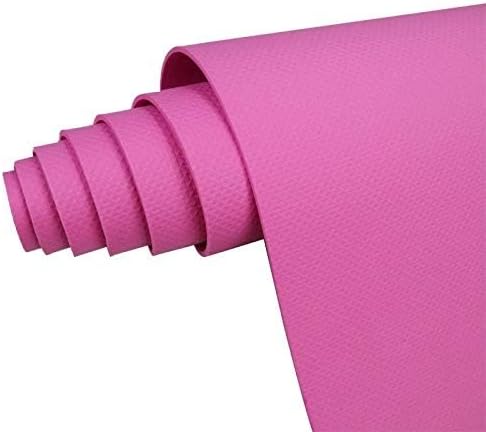
We must address the most common point of failure: the "flattening" reality. Materials engineers call this phenomenon "compression set." Under repeated, heavy point-loads, the foam struggles to recover. Standing poses or prolonged usage crush the microscopic air pockets. Eventually, EVA loses its structural memory. It develops permanent dents exactly where your heels, knees, or palms rest. Over time, a mat originally measuring 10mm thick might compress down to 4mm in high-traffic zones.
Dynamic stress exposes severe traction and shear force vulnerabilities. Think about how thin synthetic materials perform during Downward Dog or aggressive Warrior poses. You apply strong horizontal shear force against the floor. EVA possesses lower tensile strength compared to dense rubber. This creates a distinct stretch factor during explosive movements. We see a real risk of the material stretching out of shape or developing micro-tears under intense pressure.
Grip under moisture presents another objective, non-negotiable limitation. EVA lacks reliable wet-traction mechanics. It becomes notoriously slippery when exposed to heavy sweat. This trait automatically disqualifies it for Hot Yoga or vigorous Vinyasa flows. You risk joint injury if your hands suddenly slide out from under you mid-pose.
Finally, we must transparently address the chemical footprint and odor. You will likely notice a synthetic off-gassing smell upon unrolling a fresh product. This "new mat smell" happens as trapped manufacturing gases release into the air. We must differentiate modern EVA from toxic plastics like PVC. It remains generally safer and strictly avoids harmful plasticizers. However, we cannot classify it as an organic or "natural" material.
Common Mistakes: Do not mistake a heavily textured pattern for actual wet-grip technology. Embossed ridges only prevent sliding when your hands and feet remain completely dry.
When selecting gym gear, you must pit materials against one another to find your ideal match. How does EVA compare to Thermoplastic Elastomer (TPE)? Cost clearly favors EVA, making it the cheaper option for mass distribution. TPE, however, resists flattening much longer and offers superior dry and wet grip. Eco-conscious buyers often position TPE favorably. Manufacturers market it as more recyclable, and it generally requires fewer toxic binding agents during production.
How does it compare to Natural Rubber? Rubber delivers unmatched traction. It provides heavy, grounded stability for complex balancing poses, sticking to the floor like glue. However, rubber carries notable drawbacks. It feels extremely heavy to carry across town. It costs significantly more upfront. It requires specialized cleaning routines to prevent degradation. Furthermore, it poses strict latex allergy risks. EVA offers a friction-free, hypoallergenic alternative for users sensitive to those specific issues.
Review the comparison chart below to visualize these material differences quickly:
Feature | EVA | TPE | Natural Rubber |
|---|---|---|---|
Initial Cost | Very Low | Medium | High |
Durability | Prone to compression dents | Moderate, resists flattening | Excellent structural memory |
Eco-Factor | Synthetic, non-biodegradable | Highly recyclable synthetic | Natural, biodegradable |
Traction (Wet) | Poor / Slippery | Good | Exceptional |
Weight | Extremely light | Light to Medium | Very heavy |
Making the right purchase requires honest self-assessment. Who should actively shortlist this specific material?
Beginners testing the fitness waters before committing to expensive, professional-grade gear.
Pilates practitioners who prioritize thick knee and spine padding over standing-grip traction.
Gyms, schools, and institutional buyers needing vast bulk inventory while adhering to strict budget ceilings.
Conversely, who should avoid it entirely? Advanced yogis require absolute stability for inversions. Heavy sweaters need specialized wet-grip surfaces to maintain safety. Eco-purists looking for 100% biodegradable or plant-based options will find synthetic foam completely unacceptable for their lifestyle.
If you decide to purchase one, apply strict evaluation criteria to maximize your investment. Advise buyers to always look for high-density foam options. Higher density helps delay the inevitable flattening process significantly. Seek out heavily textured or embossed surfaces. These specialized patterns artificially improve grip during dry sessions. Finally, always demand non-toxic and BPA-free certifications from the manufacturer to ensure skin safety during prolonged contact.
An eva yoga pilates mat remains a pragmatic, cost-efficient tool for specific routines. You simply must understand its specific lifespan boundaries and traction limitations. It prioritizes immediate comfort and exceptional portability over decade-long resilience. Follow these action-oriented next steps to finalize your decision:
Evaluate your primary practice environment. Determine strictly if you require static padding or dynamic grip.
Assess your sweat levels realistically. Heavy sweating demands alternative materials like natural rubber or TPE.
Weigh your portability needs against physical performance. Daily commuters benefit greatly from lightweight foam.
Check manufacturer certifications diligently. Ensure your budget-friendly gear lacks harmful additives or undocumented chemicals.
We encourage you to observe your next workout session closely. Note exactly where your joints feel pressure against the floor. Decide confidently between synthetic foam, TPE, or natural rubber based on your empirical comfort rather than generic marketing claims.
A: Modern EVA differs distinctly from PVC. It is generally free of harmful plasticizers like phthalates and BPA. However, it remains a synthetic petrochemical product. While significantly safer than older plastic alternatives, it is not organic. Always check for third-party non-toxic certifications before purchasing.
A: Lifespan depends entirely on your usage frequency and body weight. Expect heavy daily users to see significant flattening within 6 to 12 months. Occasional users focusing on light stretching can expect it to last a few years before permanent dents ruin the surface integrity.
A: We strongly advise against this. EVA lacks wet-traction and becomes notoriously slippery when exposed to heavy sweat. This creates serious slip hazards during complex poses. If you must use one in a heated room, always pair it with a specialized microfiber grip towel.
A: Cleaning remains incredibly simple due to the closed-cell structure. Mix a few drops of mild dish soap into a spray bottle of warm water. Wipe the surface gently using a soft cloth. Let it air dry completely away from direct sunlight. Avoid bleach or harsh chemicals, as they actively degrade the foam.