
Views: 0 Author: Site Editor Publish Time: 2026-06-29 Origin: Site


Packaging engineers and supply chain managers constantly shift away from generic packaging definitions. They now focus heavily on rigorous structural procurement decisions. Finding the perfect balance between reducing transit damage and keeping shipping weights low remains a daily challenge for logistics teams. epe material frequently enters these evaluations as a top contender. Buyers must carefully weigh shock-absorption capabilities, tooling investments, and ESG compliance against legacy materials like EPS or polyurethane. Making the wrong choice often leads to fractured goods, frustrated customers, or highly inflated freight expenses.
Our goal is to provide an objective, technical evaluation framework for this specific polymer. You will discover exactly how its physical traits impact real-world logistics and warehousing operations. We will help you determine if it represents the correct specification for your protective packaging and thermal management requirements. You can then make highly confident sourcing decisions for your supply chain.
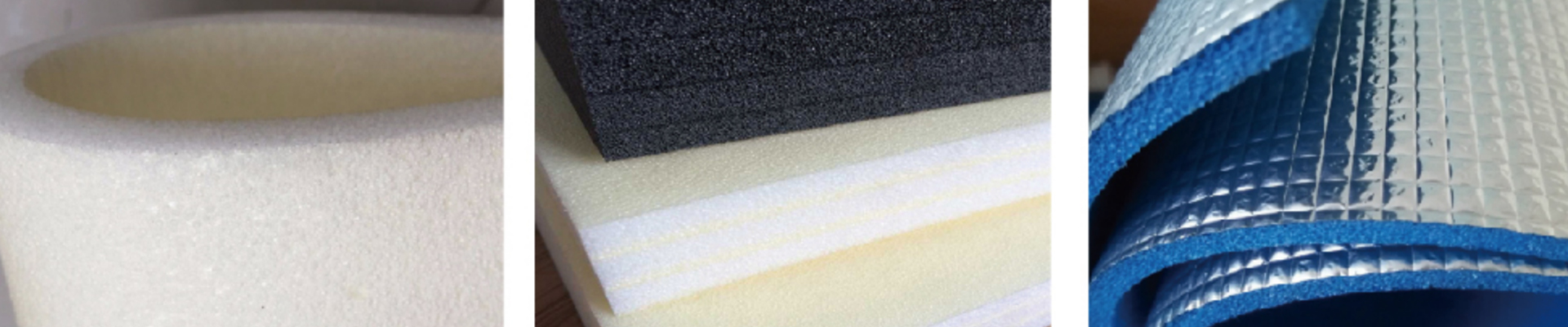
You must understand the chemical and structural baseline of expanded polyethylene before procuring it. Manufacturers produce this polymer through a specialized heating and extrusion process. The internal polymer chains remain completely uncrosslinked. This specific physical arrangement gives the foam its highly unique properties. It allows the material to bend, flex, and stretch without snapping. The extrusion process also generates millions of tiny gas bubbles. These form a rigid, closed-cell architecture. This structure directly dictates the most important physical traits of the packaging. It repels water easily. The surface feels remarkably non-abrasive against delicate painted parts. It also resists most standard industrial chemicals.
Packaging buyers evaluate several critical performance metrics when sourcing this polymer. You should examine these specific factors during your material selection process:
Engineers often conduct practical compression tests on prototype blocks. They measure exactly how much weight causes permanent deformation. You must ensure your chosen density supports your product without crushing over long transit periods. Over-specifying the density wastes money, while under-specifying leads to catastrophic shipping damage.
Procurement teams need a reliable decision framework. You must constantly balance raw material costs against physical performance ratios. Choosing the right polymer requires careful comparison. Let us evaluate our primary material against three dominant legacy foams found in modern supply chains.
First, we compare it against EPS, commonly known as Styrofoam. EPS snaps quite easily under bending pressure. It creates massive amounts of static-charged dust when broken. This dust severely ruins cleanroom environments and delicate electronics. Expanded polyethylene offers vastly superior shatter resistance. It survives multiple severe drops without shedding any particles. It represents a massive upgrade for multi-drop parcel shipping. However, you will generally pay a higher upfront unit cost compared to standard molded EPS.
Next, consider polyurethane or PU. PU acts like a highly porous, soft sponge. It works wonderfully for extremely fragile, lightweight items. It provides very soft cushioning. However, it lacks structural strength. Heavy items easily crush PU packaging. Expanded polyethylene provides much better rigidity. It offers immense structural support for heavy servers, industrial pumps, or large consumer appliances. PU breathes moisture, while our closed-cell alternative blocks moisture completely.
Finally, we examine EPP or expanded polypropylene. The automotive sector utilizes EPP heavily. It handles extreme heat exceptionally well. It offers supreme structural rigidity for bumper cores and returnable dunnage. But EPP remains a very expensive premium polymer. Most consumer goods do not require such extreme temperature tolerance. Expanded polyethylene provides a highly cost-effective alternative. It delivers excellent protection for standard electronics and furniture at a fraction of the EPP price point.
| Polymer Type | Shatter Resistance | Ideal Application Scenario | Upfront Cost Profile |
|---|---|---|---|
| Expanded Polyethylene | Very High (Elastic Rebound) | Heavy electronics, multi-drop parcels, high-vibration transit | Moderate to Medium |
| EPS (Styrofoam) | Very Low (Brittle/Flakes) | Single-trip consumer coolers, light appliances, void fill | Very Low |
| Polyurethane (PU) | High (Soft Compression) | Ultra-light glass, extremely fragile medical instruments | Medium |
| EPP | Extreme (Rigid Recovery) | Automotive parts, extreme temperature environments | Very High |
Packaging fabricators transform raw extruded sheets into highly engineered solutions. Custom protective packaging requires extreme precision. Manufacturers routinely design dedicated end-caps. They cut complex cavity inserts and produce rigid edge protectors. You see these customized elements securing heavy wooden furniture. You also find them protecting expensive medical devices from severe transit shocks.
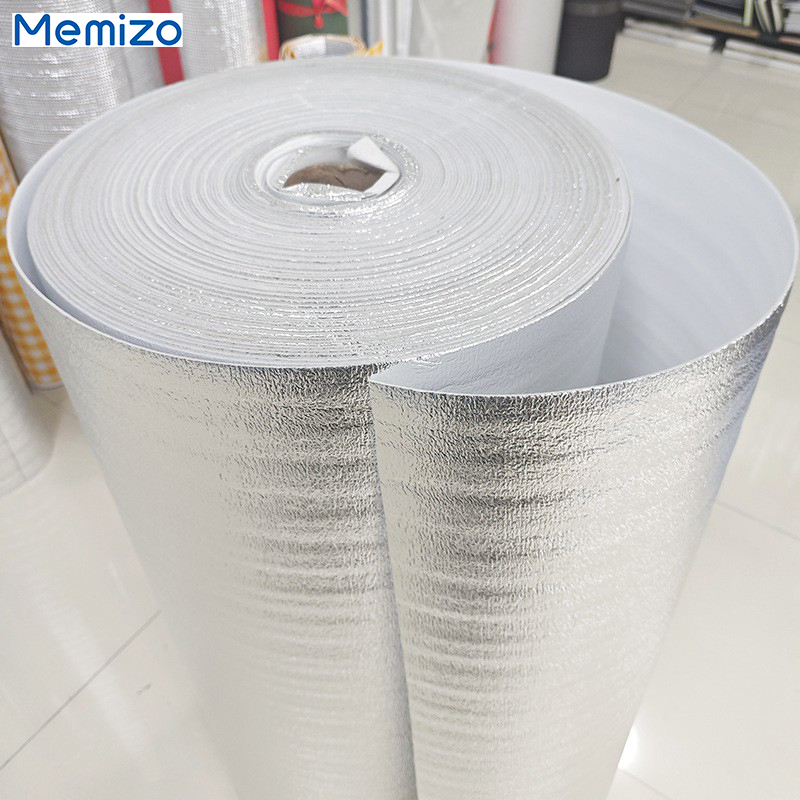
Thermal management introduces fascinating functional laminations. Manufacturers often bond a highly reflective metallic layer to the polymer base. This specialized manufacturing process creates aluminum foil EPE foam. The external foil layer actively reflects invisible radiant heat away from the package. Meanwhile, the thick base layer slows down conductive heat transfer. This dual-action combination completely dominates modern cold-chain logistics. It prevents temperature spikes during long airport tarmac delays.
You will frequently encounter EPE foam insulation in the construction industry as well. Builders wrap commercial HVAC ducting to prevent energy loss and condensation. They install it as a premium acoustic and moisture underlayment beneath hardwood floors. Logistics teams use similar thick rolls to line massive shipping containers. This ensures temperature-sensitive pharmaceuticals and fresh food shipments survive cross-country rail journeys safely.
The electronics industry demands specialized chemical modifications. Standard plastics generate dangerous static electricity during friction. This static easily destroys delicate microchips. Fabricators add anti-static chemical agents during the raw extrusion phase. This creates pink AS-EPE. The distinct pink color visually identifies the material on the factory floor. It provides crucial electrostatic discharge protection. IT professionals rely on this pink variant for transporting bare printed circuit boards and sensitive hard drives.
Supply chain leaders must examine the actual recycling reality without engaging in corporate greenwashing. The material falls strictly under the Category #4 LDPE recycling classification. It is technically 100% recyclable. You can melt it down to create new plastic products. However, real-world logistics severely complicate this recovery process. The foam consists mostly of trapped air. Its exceptionally low weight-to-volume ratio creates massive transport inefficiencies. Hauling uncompressed air-filled foam to a recycling center wastes immense amounts of diesel fuel.
Recycling facilities require specialized heavy machinery to handle this issue. They utilize powerful foam densifiers. These machines either crush or melt the air out of the scrap material. They produce heavy, solid plastic blocks. These dense blocks finally become cost-effective to transport. You should establish local recycling partnerships before claiming closed-loop compliance.
The true sustainability benefit actually stems from extreme physical durability. You should frame your ESG arguments around product lifespan. Returnable packaging loops rely entirely on this toughness. The elastic polymer easily withstands dozens of harsh impacts. It recovers its shape continuously. Companies reuse the exact same custom inserts repeatedly between manufacturing facilities. This multi-trip capability drastically reduces the total volume of virgin plastic manufactured annually.
Warehousing logistics demand serious attention during procurement. Factories ship this finished product fully expanded. It consumes massive amounts of valuable warehouse racking space. A single truckload contains mostly air. You must compare this massive spatial requirement against alternative on-demand solutions. Systems like foam-in-place chemicals take up very little floor space. They expand only when needed. You must ensure your facility possesses adequate square footage before ordering full truckloads of pre-cut inserts.
How do you buy this material effectively? You must define your exact success criteria upfront. Do not ask a fabricator for a generic quote. Bring specific engineering data to your packaging manufacturer. This data ensures the final design actually protects your goods.
Manufacturers utilize several different fabrication processes. CNC routing carves precise, incredibly complex shapes directly out of solid foam blocks. This method requires zero tooling but takes longer per unit. Die-cutting uses sharp steel blades to stamp out shapes rapidly. It works perfectly for high-volume, flat parts. Fabricators also utilize advanced heat welding. They melt the surfaces of flat sheets slightly. They immediately press them together. This creates incredibly deep, complex cavities without using any messy chemical adhesives.
You must address the initial financial outlay for tooling. Steel-rule die costs remain generally very low. They cost a tiny fraction of plastic injection molds. Lead times mostly depend on local raw material availability. Standard densities ship quickly. Custom colors or extreme densities add weeks to the timeline.
Always request a physical prototype first. Shortlist two different density options. Conduct your own real-world transit tests. Drop the packaged prototype from your loading dock. Inspect the internal goods carefully. You should finalize your engineering drawings only after successful drop testing. Never commit to large minimum order quantities until you verify the exact shock absorption performance.
It is highly recommended to audit your current damage rates before starting this process. Compare the cost of broken goods against the unit price of custom inserts. A slightly more expensive package often saves thousands in warranty claims.
Expanded polyethylene fundamentally bridges the gap between brittle legacy materials and premium engineered plastics. It solves the dusting and shattering problems associated with basic Styrofoam. It also provides structural rigidity that soft polyurethane completely lacks. By understanding its uncrosslinked, closed-cell architecture, you can predict exactly how it will perform in brutal transit environments.
This polymer remains best suited for high-value goods facing multi-drop parcel networks. It protects heavy electronics and delicate medical devices flawlessly. Furthermore, incorporating functional foil laminations instantly transforms it into a robust thermal and moisture barrier for cold-chain logistics.
Take action today to optimize your supply chain. We highly recommend consulting with a certified packaging engineer to thoroughly audit your current transit damage rates. Request a custom prototype cut specifically to your product's dimensions. Subject it to rigorous drop testing, and watch your return rates drop dramatically.
A: Yes. It features a completely closed-cell structure. The tightly packed internal gas bubbles prevent liquid water from penetrating the surface. It also boasts exceptionally low moisture vapor transmission rates. This makes it ideal for protecting metal components from rust during humid ocean freight.
A: Expanded polyethylene offers lighter weight and lower costs. It focuses primarily on raw shock absorption. EVA features a much higher density. It feels remarkably rubber-like and provides a premium, smooth aesthetic finish. EVA typically lines luxury presentation boxes, while our polyethylene variant handles heavy-duty industrial shipping.
A: It offers minor acoustic dampening capabilities. However, it is not specialized for soundproofing. Engineers design it primarily for kinetic shock absorption and thermal resistance. If you need serious acoustic treatment for a recording studio, you should seek out specialized open-cell acoustic panels instead.
A: No. Unlike plastic injection molding, fabricators shape this material using inexpensive steel-rule dies or CNC routers. The initial tooling costs remain very low. This accessibility makes it incredibly easy and cost-effective to produce custom packaging runs for low-volume, high-value products.