
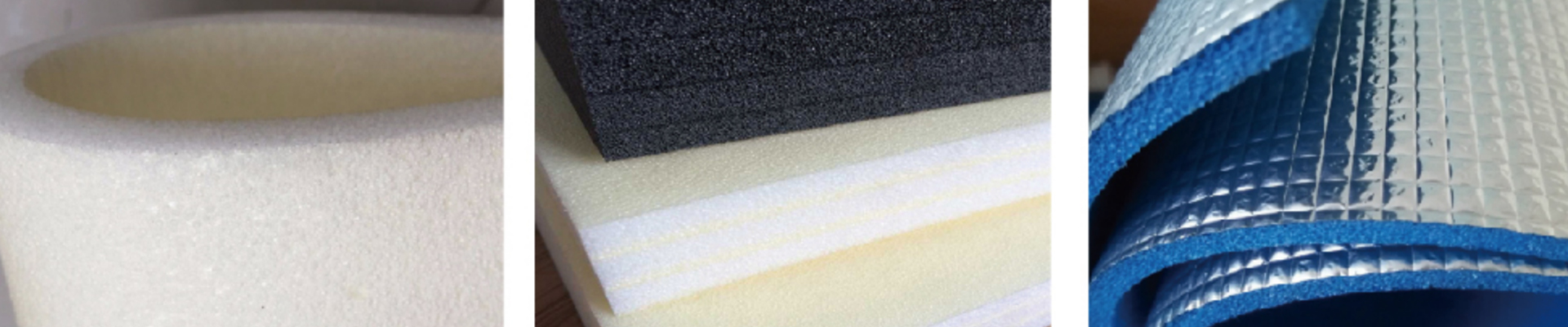
Views: 0 Author: Site Editor Publish Time: 2026-07-04 Origin: Site


Modern supply chains face immense pressure to deliver products flawlessly while meeting strict environmental standards. Traditional packaging and insulation materials often fall short in today's demanding environments. They either shatter under impact or add unnecessary weight to shipments. High transit damage rates eat into profit margins rapidly. Material failures in construction underlayments cause long-term structural and moisture issues. Furthermore, escalating costs surrounding non-recyclable, single-use plastics complicate procurement decisions.
Procurement managers and product engineers need reliable, scalable alternatives. This article provides an evidence-based framework for evaluating core applications of expanded polyethylene. You will learn how to measure performance thresholds accurately. We will also explore criteria for sourcing the right materials effectively. By understanding these technical variables, you can eliminate transit risks and maintain regulatory compliance seamlessly.
Engineers specify packaging based on predictable material behaviors. Expanded polyethylene offers a unique cellular architecture. It operates as a closed-cell, non-crosslinked polymer. This structure provides distinct physical advantages over traditional alternatives.
Brittle alternatives crack after a single severe drop. EPE recovers its shape after repeated shocks. The air trapped inside its closed cells acts like a micro-shock absorber. When evaluating epe material, engineers focus heavily on compression creep over time. This metric measures how much the material permanently deforms under a sustained load. EPE resists permanent deformation exceptionally well.
To evaluate compression creep effectively, follow these standardized steps:
Industrial applications frequently expose packaging to harsh environments. EPE remains chemically inert. It resists water, synthetic oils, and common industrial solvents. This resistance proves crucial for marine shipping, automotive parts distribution, and heavy machinery transport. It prevents degrading or melting when exposed to lubricating fluids.
Beyond packaging, thermal and acoustic properties dictate end-user compliance. EPE boasts low thermal conductivity. It also registers high sound absorption coefficients. We link these properties directly to prolonged product lifespans and building code adherence. It stabilizes temperatures for sensitive goods during long transit times.
We must acknowledge a significant shipping limitation. EPE is incredibly bulky. Shipping large quantities of lightweight foam means you pay to transport air. Consequently, regional procurement becomes critical for cost efficiency. Buyers must establish localized supplier networks to keep freight costs manageable.
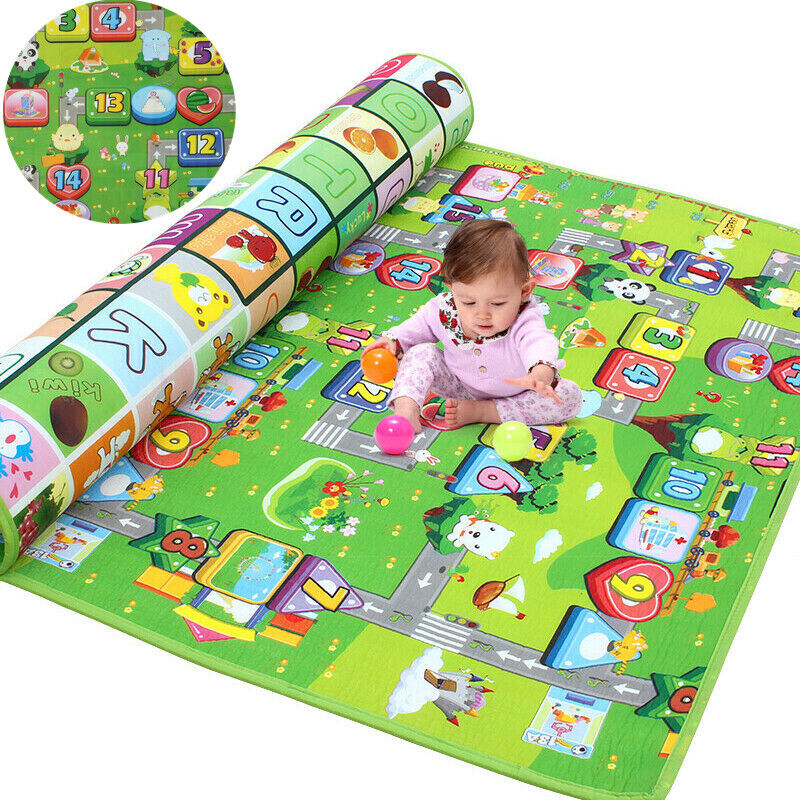
Mass manufacturing demands packaging solutions combining speed, protection, and cost-effectiveness. Different industries leverage specific traits of expanded polyethylene to secure their supply chains.
Electronic components remain highly susceptible to electrostatic discharge (ESD). A tiny static shock easily destroys a microchip. Manufacturers use anti-static pink EPE to solve this. The pink coloration universally designates ESD-safe properties. This specific formulation prevents static build-up while providing robust mechanical shock absorption. It protects hard drives, server racks, and delicate medical devices during global transit.
Procurement teams constantly evaluate the cost-to-benefit ratio of custom-routed foam versus molded pulp. Molded pulp requires expensive aluminum molds. Injection-molded plastics require even higher upfront capital. Conversely, routing or die-cutting EPE requires minimal tooling investments. Buying wholesale EPE foam and fabricating it locally offers superior economics for mid-volume production runs. You can change product designs rapidly without discarding expensive molds.
Abrasion defects cause massive warranty claims in the automotive and glass industries. Vibrations during transit rub parts together, destroying clear coats and polished surfaces. Utilizing thin-roll EPE interleaving between automotive body panels eliminates these micro-scratches. It provides a soft, non-abrasive barrier. Workers also interleave it between architectural glass sheets, ensuring pristine delivery to construction sites.
The construction sector relies heavily on hidden materials to achieve regulatory compliance. Flooring systems fail without proper sub-surface preparation. Expanded polyethylene solves two massive headaches for commercial and residential builders.
Multi-family residential units require strict noise control. Building codes mandate specific Impact Insulation Class (IIC) and Sound Transmission Class (STC) ratings. IIC measures footstep noise passing through floors. STC measures airborne noise like voices or televisions. High-density EPE foam floor underlayment absorbs these sound waves effectively. It helps contractors meet or exceed these mandatory acoustic standards, preventing costly code violations and tenant complaints.
Concrete subfloors continuously emit moisture vapor as they cure and age. If this vapor reaches laminate or engineered wood flooring, the planks warp, cup, and separate. We frame EPE as a dual-purpose solution here. It acts as a forgiving physical cushion for floating floors. Simultaneously, its closed-cell structure serves as a highly reliable moisture barrier. It blocks concrete emissions from ruining expensive top-layer finishes.
Labor costs dominate commercial construction budgets. Rigid insulation boards require precise cutting and extensive seam taping. This slows down large job sites. In contrast, roll formats deploy rapidly. Installers simply unroll the material across vast concrete slabs. This reduces labor time dramatically. It also minimizes the volume of seaming tape required, streamlining the entire installation phase.
Acoustic and Moisture Barrier Underlayment Comparison
| Material Type | Moisture Resistance | Acoustic Dampening (IIC/STC) | Installation Speed | Primary Use Case |
|---|---|---|---|---|
| Expanded Polyethylene (EPE) | Excellent (Closed-cell) | High | Very Fast (Rolls) | Laminate/Wood over concrete |
| Cork Sub-layer | Poor (Requires barrier) | Very High | Moderate (Rolls/Sheets) | Premium acoustic control |
| Rigid XPS Board | Excellent | Moderate | Slow (Taped seams) | High-load subflooring |
Beyond boxes and buildings, engineers mold and shape polyethylene into specialized components. Its unique blend of buoyancy, safety, and energy absorption makes it indispensable across diverse manufacturing sectors.
Water safety equipment demands guaranteed buoyancy and zero water absorption. Manufacturers utilize high-density EPE for personal flotation devices (PFDs) and marine rescue tubes. Its closed-cell nature ensures it will never log-water or sink. Furthermore, it remains completely non-toxic and skin-friendly. This makes it the standard material for recreational pool noodles, martial arts mats, and gymnastic impact padding.
Automakers wage a constant war against Noise, Vibration, and Harshness (NVH). Cabin quietness defines perceived vehicle quality. Engineers insert custom-cut EPE blocks inside hollow door panels to dampen road vibrations. They also wrap HVAC ducting in thin polyethylene layers. This provides vital thermal insulation, ensuring air conditioning stays cold as it travels behind the hot dashboard.
Bruised produce plummets in market value. Agricultural facilities line their fruit sorting machines, conveyor belts, and transport bins with shock-absorbing foam. Apples, peaches, and tomatoes survive the mechanical sorting process unharmed. This simple application of padding reduces cull rates drastically. It directly impacts crop yield profitability for large-scale farming operations.
Selecting the wrong polymer formulation leads to packaging failures or regulatory fines. Buyers must understand how polyethylene compares against legacy plastics and premium alternatives.
Expanded Polystyrene (commonly known as Styrofoam) dominated packaging for decades. However, EPS is highly rigid and brittle. It shatters upon heavy impact, shedding messy micro-plastic beads everywhere. EPE wins definitively on multi-drop protection due to its flexible, memory-retaining structure. Conversely, EPS wins on static thermal insulation for cold-chain shipping. EPS also generally arrives at a lower price point, making it suitable for single-use, low-impact applications.
When brands design luxury packaging, they often look at EVA. EVA offers a dense, smooth, rubber-like finish. It looks and feels premium. However, EVA is significantly heavier and much more expensive. EPE delivers a substantially lower cost-per-unit. For large-scale industrial needs, heavy machinery, or mass electronics, polyethylene remains the financially viable choice over EVA.
Global markets are actively banning EPS packaging due to its devastating environmental impact. Companies must pivot quickly to avoid penalties. EPE represents a compliant transition path. It is classified as Category 4 LDPE (Low-Density Polyethylene), making it 100% technically recyclable.
Common mistakes in sustainability planning include assuming local municipalities accept all foams. While recyclable, EPE requires specialized local recycling facilities equipped with foam densifiers. These machines melt the bulky foam down into solid plastic bricks. You must verify local recycling infrastructure before making absolute zero-waste claims to stakeholders.
Transitioning to a new packaging material requires a rigorous vetting process. A poor supplier compromises your product's safety and inflates your warehousing costs.
You must audit a supplier’s manufacturing consistency thoroughly. Foam density dictates performance. If you specify 25 kg/m³ density, but the supplier delivers 18 kg/m³, the material will fail under load. These variations in density directly compromise your ISTA drop-test certifications. Always request historical quality control logs. Measure incoming batch thicknesses to ensure they stay within an acceptable millimeter tolerance.
Assess exactly what the supplier can do in-house. Are they strictly a raw material distributor, or do they offer full fabrication?
Consolidating your supply chain by using a single manufacturer for both raw material and fabrication reduces margin stacking. It lowers your overall unit cost.
Navigating volume requirements requires careful negotiation. Custom inserts often require tooling fees. Clarify who owns the tools once paid for. More importantly, address warehousing constraints. Because foam consumes massive amounts of warehouse space, you cannot afford to store six months of inventory. Establish Just-In-Time (JIT) inventory agreements. A strong supplier will hold bulk stock in their facility and deliver smaller, weekly drops to your production line.
Expanded polyethylene is not just a basic commodity. It is a highly engineered solution designed for complex risk mitigation. Whether protecting delicate servers in transit, blocking moisture in commercial construction, or safeguarding agricultural yields, EPE delivers consistent, measurable results.
Your next steps dictate the success of your implementation. First, request detailed material Safety Data Sheets (SDS) from potential vendors. Second, define your exact required density in kg/m³ based on your product's weight. Finally, always execute physical sample drop-tests or acoustic trials in real-world conditions. Gather empirical data before committing to an annual wholesale contract. This methodical approach ensures optimal performance and protects your bottom line.
A: Standard densities typically range from 18 kg/m³ to 150 kg/m³. Lower densities (18-25 kg/m³) work best for surface protection and light packaging. Medium densities (30-60 kg/m³) are ideal for flooring underlayments and electronics. High densities (above 60 kg/m³) are reserved for heavy machinery blocking, automotive components, and flotation devices.
A: Yes, it performs excellently over concrete. Its closed-cell structure naturally resists moisture. However, for concrete slabs with unusually high moisture emission rates, you should specify an EPE underlayment that features a factory-attached metallic or PE vapor barrier film for guaranteed protection.
A: Technically, yes. It is classified under LDPE #4 and is 100% recyclable. However, because it is 98% air, it cannot easily be processed in standard municipal curbside bins. It requires specialized commercial densification equipment to melt it into solid blocks for transport to plastic remanufacturers.
A: Standard rolls generally ship within days since they are stocked inventory. Custom-cut inserts require an initial prototyping phase, design approval, and physical tool creation (dies or routing programs). This custom onboarding typically adds 2 to 4 weeks to your initial lead time, though subsequent reorders process much faster.