
Views: 0 Author: Site Editor Publish Time: 2026-07-06 Origin: Site


Navigating the endless options for a nursery setup often leaves parents feeling completely overwhelmed. Finding the perfect material for a baby foam play mat requires carefully balancing cost, child safety, and everyday durability. You naturally want a soft, protective surface for your little one. However, strict household budgets often point buyers toward highly affordable alternatives. epe foam stands out as one of the most common and accessible options available on the market today. But is it actually worth your money? In this guide, we provide an objective, evidence-oriented breakdown of its chemical safety, physical resilience, and long-term value. You will learn exactly what to expect from daily use and cleaning routines. We aim to help you make a confident, zero-regret decision for your family.
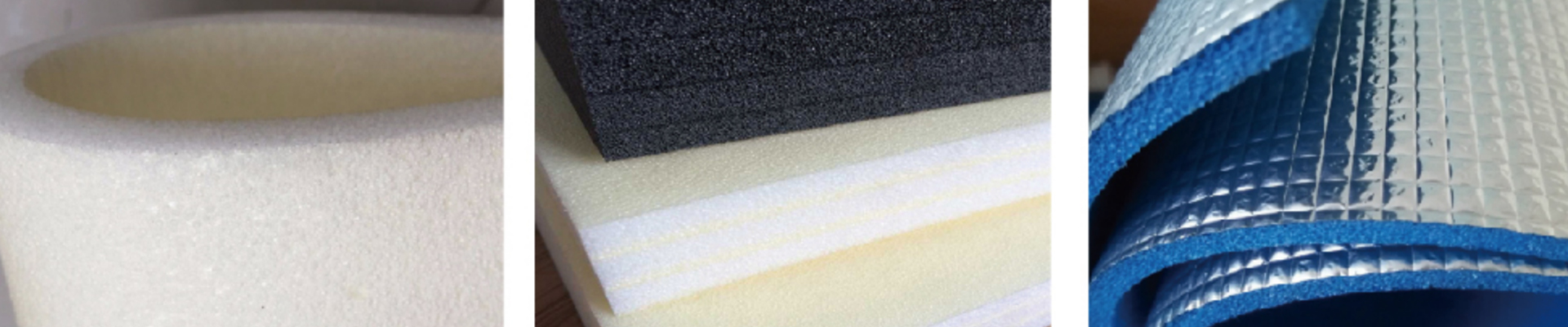
Expanded Polyethylene (EPE) is a highly popular material in the juvenile products industry. It is a lightweight, semi-rigid, closed-cell foam. The closed-cell structure means tiny air bubbles are trapped tightly inside the polymer. This specific design blocks moisture completely. It also creates a highly buoyant and shock-absorbing surface.
Manufacturers create this material using a physical expansion process. They inject gas into melted polyethylene resin under heat and pressure. The mixture expands rapidly as it cools. This mechanical structuring allows the foam to absorb heavy impacts efficiently. Industries have relied on this exact property for decades. You will frequently see it used in premium packaging materials. Commercial gyms also use it as the core cushioning for basic tumbling mats. It handles blunt force incredibly well.
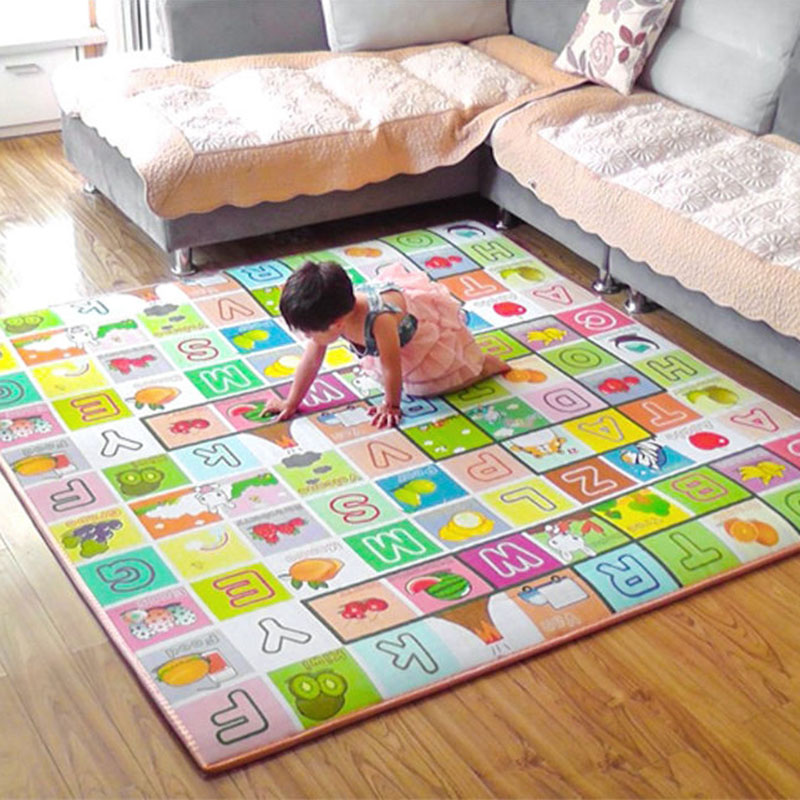
You should understand its physical limitations before buying. The material is relatively rigid. You cannot roll it up easily like a yoga mat. Because of this rigid nature, brands typically sell an EPE foam play mat in two specific form factors:
These form factors maximize the strengths of the material. They keep the product lightweight while ensuring adequate thickness for child safety.
Safety is always the top priority for new parents. You will often see brands heavily market these products as "non-toxic." We must break down what this actually means. Pure epe foam is inherently stable. It does not require harmful plasticizers for flexibility. Testing consistently confirms the total absence of heavy metals, PVC (Polyvinyl Chloride), and BPA (Bisphenol A). This makes it an excellent safety baseline for infants.
Formamide off-gassing represents a major parental pain point. Many cheap foam products emit a strong chemical odor upon unboxing. This odor often comes from volatile organic compounds (VOCs). EVA foam frequently uses formamide as a chemical blowing agent during manufacturing. High levels of formamide are toxic. Conversely, EPE relies on safer physical expansion methods. It uses harmless gases like butane or carbon dioxide to expand the resin. This significantly reduces harmful VOC off-gassing. Your nursery will not suffer from lingering chemical smells.
However, marketing claims are never enough. You must verify independent testing. Always look for strict consumer safety standard compliance regardless of the base material. The most reliable certifications include:
Checking the label for these certifications ensures your baby stays safe during daily tummy time.
Understanding the daily user experience helps set correct expectations. A typical EPE foam play mat brings specific advantages and notable drawbacks to your living room. We evaluate both sides below.
The material shines in several practical areas. First, it offers excellent shock absorption. It provides a thick baseline of cushioning for trips and falls. This proves invaluable during the clumsy crawling and early walking stages. Second, the portability is unmatched. The material is extremely lightweight. You can easily pick it up, fold it, and store it out of sight when guests arrive. Finally, water-resistance is a major benefit. The closed-cell structure prevents liquid absorption. Spilled milk, drool, or diaper leaks simply sit on the surface. You can wipe them away effortlessly.
Despite the benefits, everyday life exposes several flaws. Durability is the biggest concern. The surface is highly prone to punctures. Sharp toys, high heels, or heavy furniture legs will leave permanent dents. Pet claws can easily scratch or tear the top layer. Once punctured, the foam can begin to peel.
Traction also presents a unique challenge. The printed surface can be quite slippery for babies learning to stand in socks. Furthermore, the mat itself lacks weight. It may slide across hard wooden floors without a dedicated anti-slip underlay. Lastly, parents often report sensory drawbacks. The material tends to produce a noticeable "squeaky" sound under bare feet or crawling knees. This noise can easily wake a sleeping infant nearby.
| Feature | Everyday Advantage | Potential Drawback |
|---|---|---|
| Cell Structure | Waterproof and highly shock-absorbent. | Can feel rigid and sounds squeaky underfoot. |
| Density | Extremely lightweight and portable. | Slides easily on bare floors without grips. |
| Surface Tensile Strength | Soft enough for safe infant landings. | Easily punctured by pet claws and sharp toys. |
The market offers several competing materials. Understanding how they compare helps you select the right product for your specific lifestyle. We contrast the four most common options below.
XPE is widely considered the direct upgrade to EPE. Manufacturers use a cross-linking process to bond the polymer molecules tighter together. XPE shares the exact same non-toxic safety profile. However, it offers much higher density. It provides better durability, superior shape retention, and resists puncturing far better. If you want the safety of polyethylene but need a mat to survive a toddler's destructive phase, XPE is the smarter choice.
You will often see cheap alphabet puzzle tiles made of EVA. EVA is slightly softer and feels rubbery. However, it struggles heavily with chemical odors. As mentioned earlier, EVA manufacturing often uses formamide. This raises serious toxicity concerns for sensitive infants. We firmly position epe foam as the much safer alternative to cheap EVA tiles. It completely avoids the formamide risk.
TPU represents the premium tier of play surfaces. You must contrast budget functionality with high-end aesthetics here. EPE is highly affordable but easily damaged. TPU is significantly more expensive. However, TPU is incredibly durable, heavy, and scratch-resistant. It mimics the look of luxury rugs. TPU mats sit flat, do not slide, and blend seamlessly into modern home decor. They easily last for several years.
| Material Category | Primary Benefit | Primary Weakness | Best Suited For |
|---|---|---|---|
| EPE | Lowest cost, very lightweight, safe. | Prone to tearing and surface peeling. | Travel, grandparent's house, temporary use. |
| XPE | Excellent durability, great shape retention, safe. | Moderate cost, still slightly vulnerable to pets. | Primary playrooms, budget-conscious durability. |
| EVA | Very cheap, widely available, soft. | Formamide off-gassing, chemical odors. | Not recommended for infants who chew mats. |
| TPU | Premium aesthetics, scratch-resistant, heavy. | Highest upfront cost. | Living rooms, multi-child families, pet owners. |
Price tags only tell half the story. You must frame the purchase around the business problem of consumer replacement cycles. An entry-level baby foam play mat may cost 50% less upfront. This feels like a major win for your budget initially. However, daily wear and tear accumulates rapidly in high-traffic areas.
The replacement cycle is notoriously short. Active toddlers, moving toys, and regular cleaning degrade the surface. You will often find yourself replacing an EPE model within 6 to 12 months. Flaking pieces create choking hazards. Once the protective film tears, you cannot repair it. Buying three cheap mats over two years quickly exceeds the cost of one premium alternative.
We provide a simple decision framework to evaluate your long-term return on investment. Consider your timeline and household environment carefully.
Matching the material to your realistic timeline prevents frustrating repurchases later.
EPE foam remains a highly relevant and useful material in the nursery space. Our final verdict recognizes it as a safe, economical, and highly functional option. It completely avoids the dangerous VOCs found in cheaper alternatives. It delivers excellent impact protection for early development stages. However, the buyer must accept its strict limitations in physical durability and aesthetic longevity.
Your next steps should involve a quick audit of your household needs. Weigh your immediate budget against your desired longevity. Assess your pet situation and flooring type. Finally, always check the product label for independent safety certifications like CPSIA or EN71. This ensures you finalize your shortlist with confidence and peace of mind.
A: The material itself is non-toxic and free from heavy metals, BPA, and phthalates. However, chewing presents a severe physical choking hazard. EPE is susceptible to peeling and flaking when bitten by sharp new teeth. If you notice any tears or loose pieces on the mat, you must replace it immediately to ensure your baby's safety.
A: Cleaning is very straightforward due to the waterproof closed-cell structure. Use a damp microfiber cloth and a mild, baby-safe soap. Gently wipe away spills or dirt. You must strictly avoid harsh bleach, abrasive scrubbers, or acidic chemical cleaners. These harsh substances will quickly degrade the protective surface film and ruin the foam.
A: It has minimal VOCs compared to EVA or PVC. It does not use formamide. You may notice a very slight mechanical manufacturing odor immediately upon unboxing. This is completely normal and harmless. Simply wipe the mat down and leave it in a well-ventilated room. The faint odor dissipates rapidly, usually within a few hours.