
Views: 0 Author: Site Editor Publish Time: 2026-07-02 Origin: Site


Moisture damage during global transit and long-term warehousing costs companies millions of dollars annually. Unpredictable container condensation and shifting warehouse humidity quietly destroy vulnerable goods before they ever reach the end user. Shippers often struggle to find protective cushioning capable of resisting this relentless environmental moisture. You need a reliable physical barrier to prevent catastrophic rust, mold, and electronic shorts.
We must state the reality clearly. Engineers technically classify epe material as highly water-resistant rather than unconditionally waterproof. However, it provides a functionally impermeable moisture barrier. It perfectly suits the vast majority of modern commercial shipping and storage needs.
We will explore the exact scientific mechanisms behind this impressive moisture resistance. You will learn how the cellular structure blocks vapor naturally. We will also show you how to evaluate and specify this foam for your unique protective packaging requirements.
Understanding moisture protection requires looking at the microscopic level. Let us examine how manufacturers construct this material to repel liquid effectively. The secret lies entirely within the physical extrusion process.
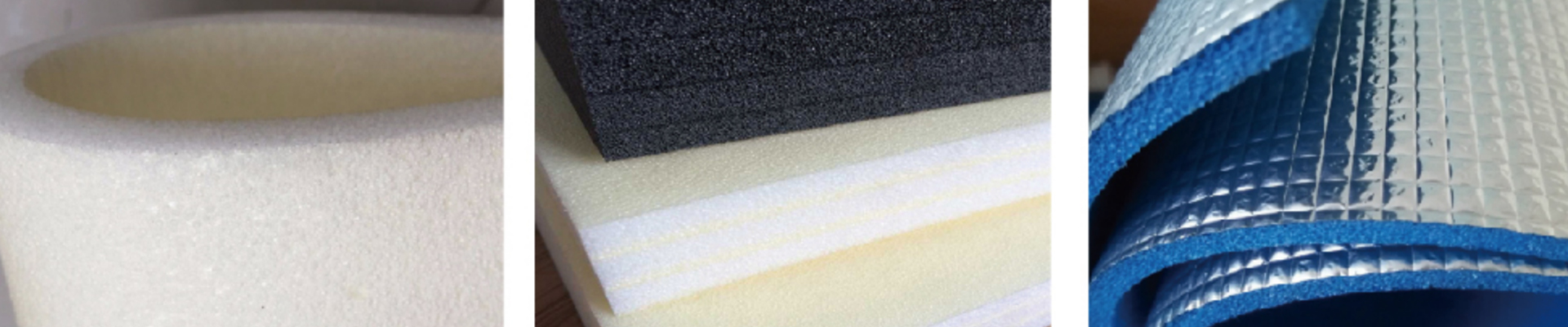
Manufacturers melt raw polyethylene pellets under high heat. They inject an eco-friendly blowing agent into the molten plastic. This forces a massive physical expansion. As the plastic cools rapidly, it traps the gas inside billions of microscopic spheres. These independent spheres form a highly dense closed-cell matrix. Every single bubble remains fully sealed. The walls of these tiny bubbles block water molecules from passing through.
Beyond the structural barrier, we must consider the base polymer. Polyethylene polymer exhibits strong hydrophobic properties naturally. It physically repels water on a molecular level. If liquid hits the surface, it simply beads up. The surface does not wick liquid inward. Capillary action causes water to climb through porous materials like cardboard. Because the closed cells do not connect, capillary action cannot occur here.
Industry engineers evaluate packaging using the Moisture Vapor Transmission Rate (MVTR). This standardized metric measures how much water vapor passes through a specific substance over a 24-hour period. This foam registers an exceptionally low MVTR. It serves as an incredible barrier against high-humidity environments. Engineers generally do not rate it for high-pressure underwater submersion. However, it stops ambient atmospheric vapor cold. You can completely rely on it to keep internal micro-climates stable and dry.

Global supply chains subject packages to harsh, unpredictable climates. Ocean freight introduces a unique and devastating threat known as "container rain." Cargo vessels cross multiple climate zones during a single voyage. Day and night temperatures fluctuate wildly over open water. Steel shipping containers heat up in the sun and cool down rapidly at night. This extreme diurnal shift causes massive internal condensation.
Droplets form on the container ceiling. They eventually rain down onto the stacked cargo below. Custom inserts made from EPE foam packaging shield sensitive goods from this relentless overhead dripping. When you ship bare electronics or untreated raw metals, this protection proves vital. The overhead water simply pools harmlessly on the upper foam surface. It never reaches the sensitive components inside.
Long-term warehousing presents another major business challenge for distributors. Many massive storage facilities lack dedicated climate control. Seasonal humidity shifts can easily devastate stored inventory over several months. Prolonged exposure causes rapid mold growth on organic components. It accelerates aggressive corrosion on bare metal parts. Wrapping your products in this closed-cell material prevents these destructive outcomes entirely. It isolates the item from the surrounding damp air.
This protective layer provides heavy-duty industrial defense beyond just water resistance. It actively resists degradation from common logistics hazards. You gain a highly versatile defensive shield. The polymer effectively repels several damaging substances:
Choosing the right protective material requires comparing cellular structures directly. Let us evaluate how common industrial packaging foams handle prolonged liquid exposure. The differences directly impact your product safety.
We evaluate these two rigid options primarily on durability and moisture retention. EPS relies on steaming pre-expanded beads together. It feels incredibly rigid but remains highly brittle in practice. The microscopic spaces between these bonded round beads remain weak. Physical impacts easily fracture EPS during rough shipping.
Over time, micro-cracks form across the entire rigid structure. Liquid eventually seeps between the broken beads. It stays trapped deep inside the packaging walls. Conversely, polyethylene foam remains highly flexible and resilient. It easily absorbs repeated heavy shocks without cracking. It maintains its watertight cellular integrity even after enduring multiple transit drops.
Here, we must examine cell structure and wicking behavior closely. Polyurethane foam generally features an open-cell matrix. The manufacturing process allows internal gases to escape during curing. This leaves behind a vast network of interconnected open tunnels. It behaves exactly like a household kitchen sponge.
If you expose PU to ambient humidity, it quickly absorbs liquid. It holds this water directly against your valuable product. This aggressively accelerates rust and mold development. Expanded polyethylene remains strictly closed-cell. It actively repels liquid away from the protected item, keeping the surface perfectly dry.
The following table summarizes these crucial material differences:
| Material Type | Cellular Structure | Moisture Retention Behavior | Impact Durability |
|---|---|---|---|
| Expanded Polyethylene | Closed-cell | Actively repels liquid and vapor | Flexible, sustains repeated impacts |
| EPS (Styrofoam) | Closed-cell (beaded) | Traps water in structural micro-cracks | Brittle, fractures easily under stress |
| PU (Polyurethane) | Open-cell | Absorbs ambient humidity like a sponge | Soft, compresses well but holds moisture |
No single packaging solution solves every possible environmental extreme perfectly. We must clearly define the functional limits of this material to avoid catastrophic failures. Do not rely on it as an absolute watertight seal for deep-water submersion. The material itself will float indefinitely. It easily resists heavy surface splashing on boat decks. However, prolonged hydrostatic pressure completely changes the engineering equation.
Deep water submersion forces heavy liquid pressure against fabricated joints. The water will not break the plastic cells. Instead, it searches for the weakest structural point. Moisture eventually pushes its way through physical gaps in the packaging design.
You must carefully account for specific vulnerabilities in the fabrication processes. Manufacturers often bond multiple foam sheets together. This creates thick custom inserts for heavy machinery. Water easily penetrates through poorly glued seams. Mechanical joints and precise die-cuts also create microscopic pathways for liquid intrusion. The core foam remains completely dry, but water sneaks through the structural cracks. We recommend using advanced thermal bonding instead of cheap adhesives to prevent this.
We strongly recommend a multi-layered approach for extreme shipping applications. Best practices dictate pairing water-resistant EPE foam with secondary barrier methods. You should integrate industrial silica desiccants inside the master carton. Enclose ultra-sensitive electronic components in heavy-duty poly-bags. This combined integration easily meets stringent Mil-Spec packaging requirements. It handles demanding maritime shipping scenarios flawlessly.
Buying the right material requires precise technical specification. You cannot simply order generic foam and expect maximum moisture exclusion. Procurement teams must follow specific criteria to ensure optimal performance. Follow these exact guidelines when designing your next packaging solution.
Protecting valuable cargo requires highly reliable, scientifically proven materials. We have clearly established that epe material functions as a highly effective waterproof barrier for logistics. It easily handles the daily rigors of both standard and heavy-duty global transit. The strict closed-cell structure firmly locks out ambient humidity. It permanently repels direct condensation drops.
You should proactively evaluate your current logistics setup today. Audit your recent packaging fail rates tied directly to mold, rust, or moisture ingress. Identify the specific geographical points in your supply chain where temperature shifts occur most. Reach out to a qualified manufacturer for consultation. Request custom protective prototypes tailored specifically for your most sensitive SKUs. Proper material specification will eliminate costly transit damage and preserve your hard-earned profit margins.
A: No. Its closed-cell structure prevents wicking and capillary action completely. The tiny sealed bubbles block moisture ingress, meaning it will not absorb water even in highly humid, tropical environments.
A: Yes. Because it does not absorb moisture, dirt and chemical spills can be wiped or washed off the surface quickly. This cleaning process happens without compromising the foam's structural integrity, making it highly reusable.
A: Yes. It remains highly buoyant and does not degrade in harsh saltwater. Manufacturers frequently use it in marine buoyancy aids, dock bumpers, and demanding maritime shipping protection.
A: No. Polyethylene polymer is chemically inert to water. Moisture will never cause the core material to rot, grow internal mold, or lose its critical shock-absorbing capabilities over time.