
Views: 0 Author: Site Editor Publish Time: 2026-06-05 Origin: Site


Navigating the fitness market often means sorting through a confusing alphabet soup of materials. You will see acronyms like PVC, TPE, PU, NBR, and EVA. This variety leaves many practitioners feeling overwhelmed. They struggle to find a surface matching their specific workout demands. For those evaluating an eva yoga pilates mat, the final choice usually comes down to three factors. You must balance affordability, total weight, and hybrid functionality. You need a reliable surface for daily movement.
Premium natural rubber dominates high-end boutique yoga studios today. However, EVA foam remains a highly pragmatic choice. It delivers exceptional utility for cross-training, home gyms, and dynamic Pilates routines. You just need to understand its specific performance parameters first. In this guide, we will explore exactly what makes EVA distinct. You will learn its core advantages, its honest drawbacks, and practical buying frameworks. We will help you confidently choose your next training surface.
Optimal for Hybrid Use: EVA delivers the "firm stability" required for yoga balances and the supportive cushioning needed for Pilates floor work.
Unmatched Portability: Weighing significantly less than rubber or PVC, EVA is the industry standard for travel and commuter mats.
Closed-Cell Hygiene: Its moisture-resistant structure prevents sweat absorption, making it highly sanitary and easy to clean.
Budget & Scalability: Highly cost-effective for individual home gym setups (often via interlocking tiles) or bulk studio procurement.
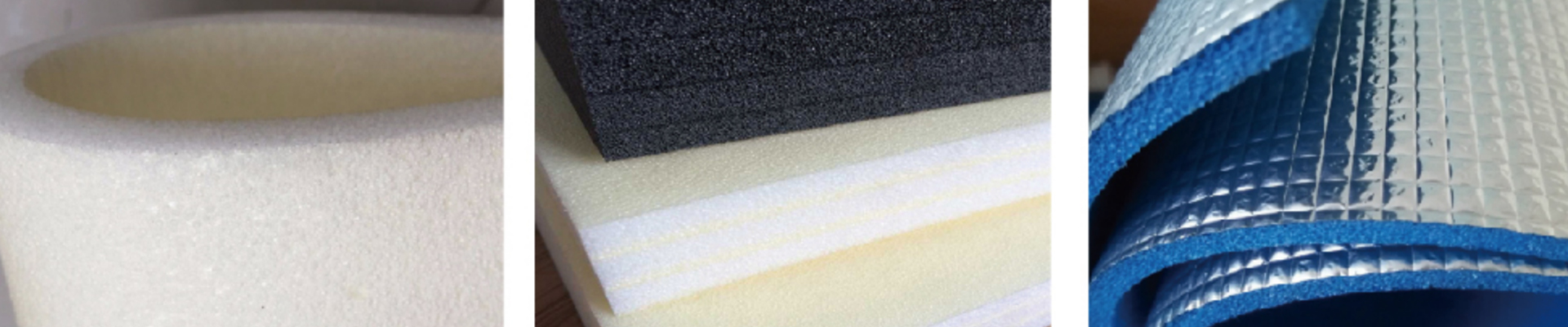
Understanding your equipment begins by looking at its underlying material science. Ethylene-Vinyl Acetate (EVA) is a highly versatile synthetic foam. Manufacturers construct it using a closed-cell structure. This specific cellular design gives EVA its distinct high-impact shock absorption. It also provides excellent structural memory. When you press down, the foam compresses. Once you release pressure, it quickly bounces back to its original shape. This makes it incredibly useful for floor-based fitness routines.
We must compare EVA against other common materials to truly see its value. Let us establish a baseline comparison. When you compare EVA to natural rubber, several differences emerge immediately. EVA feels significantly lighter. It costs vastly less to produce and purchase. Furthermore, it remains completely free of latex allergens. You also avoid the strong initial rubber odors commonly associated with natural rubber products.
Comparing EVA to traditional PVC reveals even more benefits. EVA offers better tactile softness. It feels much warmer and more inviting under barefoot contact. It also lacks the toxic phthalates frequently found in cheap PVC mats. Many health-conscious consumers actively avoid phthalates today. This makes EVA a safer synthetic alternative.
Finally, we should look at modern manufacturing and supply chain insights. EVA historically carried a reputation for being non-eco-friendly. However, the industry has shifted. Premium EVA manufacturing now frequently incorporates up to 40% pre-consumer recycled foam. Factories repurpose cutting scraps directly back into the production line. This modern approach addresses environmental concerns while maintaining excellent material durability.
Material Feature | EVA Foam | Natural Rubber | Standard PVC |
|---|---|---|---|
Cell Structure | Closed-cell (moisture resistant) | Open or Closed-cell | Closed-cell |
Weight Profile | Ultra-lightweight | Very Heavy | Medium to Heavy |
Toxicity / Allergens | Phthalate-free, Latex-free | Contains Latex | Often contains Phthalates |
Eco-Profile | Recyclable blends available | Biodegradable | Hard to recycle |
Many practitioners wonder why they should choose EVA over trendier materials. The answer lies in a specific combination of physical properties. These properties directly enhance your daily workout experience. Let us explore the four primary benefits.
The "Firmness-to-Cushion" Ratio: We need to break the persistent myth stating "softer is always better." Ultra-soft mats often cause wrist pain because you sink too deeply into them. An EVA mat compresses gently under your joints. It perfectly protects your knees and wrists during Pilates sequences. However, it remains firm enough to support you. You can easily maintain balance and alignment during standing yoga poses.
Featherweight Portability: Carrying a heavy mat ruins the pre-workout mood. An average EVA yoga mat weighs between 1.5 to 2.5 lbs. In contrast, rubber mats often exceed five pounds. This featherweight design serves as a critical success criterion. It perfectly suits practitioners walking or cycling to their local studios.
Thermal Insulation: Cold floors can quickly ruin a relaxing session. EVA naturally acts as a strong temperature barrier. It blocks the chill coming from cold studio tiles or unheated basement floors. This provides a subtle but vital comfort factor. You will especially notice this during slow-paced Yin yoga or mat Pilates.
Acoustic & Flooring Protection: Home gym owners face unique challenges. You want to work out without disturbing your neighbors. EVA effectively absorbs impact noise. This prevents noise complaints in multi-story apartments. It also protects your expensive hardwood floors. You avoid minor scuffs and scratches during light dumbbell usage.
Material science only matters if it translates to better workouts. You need to know how EVA performs across different exercise modalities. No single mat works perfectly for every single fitness style. We must evaluate EVA based on specific movement patterns.
For Mat Pilates, EVA delivers excellent overall performance. Mat Pilates involves extensive rolling and rocking motions. The typical thickness of EVA thoroughly protects your spine. When performing exercises like "Rolling Like a Ball," you stay comfortable. You never experience the painful sensation of bottoming out against a hard wooden floor.
For standard Yoga styles like Hatha or Vinyasa, EVA performs reliably well. It provides highly adequate grip for any dry-handed practice. The ground connection feels solid and predictable. This allows for proper proprioception in complex warrior poses. Your feet can securely grip the foam. You feel stable while transitioning between different asanas.
For Calisthenics and bodyweight strength routines, EVA shines as a resilient platform. It capably handles high-pressure movements like push-ups and lunges. Its inherent firmness prevents annoying shifting and bunching under your hands. Ultra-soft TPE mats often suffer from this exact bunching problem during dynamic movements. EVA stays flat and supportive while you train.
Training Style | EVA Suitability Score | Key Performance Driver |
|---|---|---|
Mat Pilates | Excellent (5/5) | Superb spine and joint cushioning during rolling motions. |
Hatha / Vinyasa Yoga | Good (4/5) | Firm stability for standing balances and dry-grip traction. |
Bodyweight Calisthenics | Very Good (4.5/5) | Resists bunching and shifting during mountain climbers or lunges. |
We build trust by highlighting honest anti-use cases. You should understand when a material falls short. EVA represents a fantastic hybrid tool. However, it does not fit every single fitness scenario. Recognizing these limitations prevents frustrating purchases.
Hot Yoga / High-Sweat Environments: EVA relies on a closed-cell construction. This means moisture cannot penetrate the foam. Sweat simply pools on the surface rather than absorbing into the mat. This surface moisture leads to an immediate loss of grip. We strongly recommend using a PU-coated rubber mat for hot yoga instead.
Shoe-Based HIIT Training: EVA handles bare feet and socks perfectly. However, wearing heavy sneakers changes the dynamic completely. Performing aggressive lateral jumps in running shoes creates extreme friction. This can prematurely tear the surface. It can also permanently indent standard-density EVA foam over time.
The "Memory" Effect: Lightweight foam possesses physical memory. If you store thinner EVA mats tightly rolled for long periods, they remember that shape. They may suffer from annoying edge curling when first unrolled. You will likely require a short break-in period to make them lay perfectly flat.
Shopping for fitness gear requires a structured approach. You can easily find hundreds of generic mats online. Filtering out subpar products saves you time and frustration. Follow this framework to pinpoint a high-quality surface tailored to your exact needs.
First, apply the Thickness Matrix. We call this the "Ground Connection Rule." If a mat measures between 3mm and 5mm, it best serves pure yoga and travel. This thin profile prioritizes balance over joint padding. If a mat measures between 6mm and 8mm, you found the sweet spot for an eva yoga pilates mat. It perfectly balances spine protection for Pilates while retaining enough firmness for yoga. Mats measuring 10mm or thicker serve a different purpose. Keep those strictly for home gyms, physical rehabilitation, or pure floor-based stretching.
Next, examine the material blends. Manufacturers often combine EVA with other compounds to boost performance. Look for hybrid compositions like EVA/NBR blends. These clever blends combine the extreme lightness of EVA with the impressive oil-resistance and durability of NBR. This results in a longer-lasting product.
You must also prioritize compliance verification. Always check the fine print on product listings. Ensure the product specifications explicitly state "Latex-Free" and "Phthalate-Free." This guarantees you are purchasing a modern, non-toxic foam safe for daily skin contact.
Finally, decide on your format selection. You essentially choose between two styles. A standard roll-up mat works perfectly for studio commuters and easy closet storage. Interlocking EVA tiles provide a completely different solution. Choose tiles if you want to build a permanent, customizable home workout zone in your garage or basement.
An EVA yoga pilates mat is not designed to be a luxury status symbol. Instead, it serves as a highly functional, adaptable tool for everyday fitness. It bridges the gap between plush comfort and rigid stability. This material allows you to flow through yoga poses and execute rigorous Pilates core work on the same surface.
Your decision trigger should be simple. If your routine involves a mix of dry yoga, mat Pilates, and light bodyweight exercises, EVA works perfectly. If you value easy portability and joint comfort above all else, EVA stands as the most cost-efficient material on the market today. It protects your body without draining your wallet.
Take action on your fitness goals today. Review our curated selection of high-quality EVA mats. Filter the options by thickness to perfectly match your primary training style. Your joints will thank you.
A: Factory manufacturing often leaves a thin film on new mats. You can easily remove this to enhance traction. We recommend giving your mat a gentle sea salt scrub. Alternatively, wipe the mat down using a diluted 50/50 water-and-vinegar solution. This accelerates the break-in period and quickly improves your surface grip.
A: No. EVA works beautifully for bodyweight routines and light dumbbells. However, dropping heavy kettlebells or performing Olympic lifts will puncture the foam. This creates unsafe instability under your feet. You absolutely require high-density rubber stall mats for heavy lifting environments.
A: Unlike natural rubber or NBR, EVA is generally odorless. Some natural rubber mats carry a strong, lingering chemical odor for weeks. EVA either has no smell at all or off-gasses very quickly. Simply leave it unrolled in a well-ventilated room, and any faint scent vanishes within 24 hours.