
Views: 0 Author: Site Editor Publish Time: 2026-06-02 Origin: Site


Rolling out your mat should signal the start of a rejuvenating workout, not a painful struggle against your living room floor. Yet, many home fitness enthusiasts abandon their daily routines simply because their equipment fails them.
Exercising on unforgiving hardwood or slippery tile often leads to bruised knees, aching wrists, and disrupted focus. You need a surface protecting your joints without compromising your balance. Is an eva yoga pilates mat the right long-term investment for a hybrid daily routine, or just a budget compromise?
In this article, we evaluate EVA (Ethylene-Vinyl Acetate) based on functional anatomy, material durability, and real-world performance criteria. We will avoid exaggerated marketing claims and stick to evidence. You will learn exactly how to choose the right mat specifications to match your home environment and ensure consistent daily practice.
Cross-Functional Limits: An EVA yoga pilates mat excels in shock absorption for floor-based Pilates but requires a specific density to maintain balance in standing yoga poses.
Material Reality: High-density, closed-cell EVA provides excellent waterproofing and hygiene for daily use, though it may lack the extreme traction of natural rubber in high-sweat (hot yoga) environments.
The Thickness Compromise: For hybrid daily practice, a thickness between 6mm and 10mm offers the most pragmatic balance between spinal cushioning and proprioceptive feedback.
Environmental Context: The performance of an EVA mat is heavily dictated by your home flooring (hardwood requires more cushion; carpet requires more rigidity).
People often lump yoga and Pilates together. However, they require fundamentally different biomechanical support. Using the wrong surface leads to immediate muscle compensation. Your body naturally tenses up to protect itself. This tension reduces your overall workout efficacy.
A standard yoga mat acts primarily as a traction tool. Yoga focuses heavily on standing balance, static holds, and downward-pressing grip. You need a firm connection to the ground. Typically, a thickness of 3mm to 6mm works best here. A thin surface prevents your ankles from wobbling. It maintains vital proprioceptive feedback, telling your brain exactly where your joints sit in space.
Pilates demands entirely different mechanics. It serves as a cushioning tool. You perform most Pilates movements on the floor. The discipline focuses on core alignment and spinal rolling. You need thicker shock absorption. Practitioners often seek 10mm to 20mm of depth. Without it, you risk bruising your tailbone or spine during rolling exercises.
This creates a hybrid challenge for the daily practitioner. High-density EVA foam attempts to bridge this structural gap. Manufacturers design it to offer lightweight thickness. It prevents the sinking feeling often associated with cheaper, open-cell foam pads. You get necessary spinal protection without entirely losing your connection to the floor.
Biomechanics Element | Yoga Demands | Pilates Demands |
|---|---|---|
Primary Posture | Standing, static holds | Seated, supine, spinal rolling |
Key Requirement | Traction and firm balance | Shock absorption and cushioning |
Ideal Thickness | 3mm – 6mm | 10mm – 20mm |
Risk of Wrong Mat | Ankle instability, weak grip | Spinal bruising, tailbone pain |
You must understand the structural properties of EVA foam to make an informed purchasing decision. Alternative materials like natural rubber or NBR behave differently under stress. We need to evaluate how EVA handles daily use.
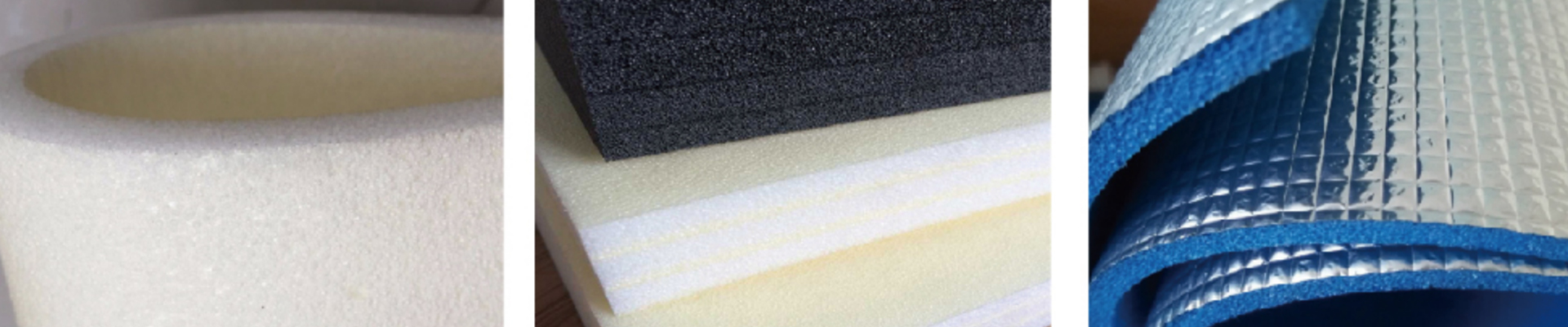
High-quality EVA features a closed-cell construction. This provides a massive advantage for home fitness. Closed-cell foams trap tiny pockets of gas inside the material. This structure makes the mat highly moisture-resistant. It stops sweat from soaking into the core. Consequently, it prevents bacterial growth and foul odors from developing over time.
Weight versus density also plays a major role. Daily practitioners highly value portability. EVA weighs significantly less than natural rubber. You can easily unroll it, store it, or carry it to a local park. Heavy rubber mats often stay permanently unfurled because they feel too cumbersome to move.
We must also address the transparent limitations regarding grip. Objective evaluation reveals a crucial tradeoff. Textured EVA offers perfectly decent dry grip. However, its traction degrades faster than natural rubber when exposed to heavy sweat. Intense HIIT sessions or heated hot yoga classes expose this weakness quickly.
Best Practice: Always choose "closed-cell" EVA to ensure long-term hygiene and easy cleaning.
Best Practice: Keep a microfiber towel nearby if your hands sweat heavily, compensating for EVA's lower wet traction.
Common Mistake: Confusing open-cell camping foam with high-density EVA fitness foam. Open-cell foam absorbs sweat like a sponge.
Common Mistake: Expecting lightweight EVA to provide the exact same aggressive floor grip as heavy vulcanized rubber.
Your purchase decision must center around your actual workout environment. The floor beneath you dictates the required specifications. A mat never works in isolation. It functions as an interface between your body and your home.
Hardwood and tile amplify the flaws of very thin equipment. These surfaces act as rigid impact zones. Dropping your knee onto 3mm of foam over solid tile hurts. Here, an 8mm to 12mm eva yoga pilates mat serves as necessary infrastructure compensation. It protects your vulnerable knee and wrist joints from immediate blunt force.
Carpeted areas introduce completely different risks. Wall-to-wall plush carpets create inherent instability. We strongly warn against using ultra-thick EVA mats on top of thick rugs. A 15mm mat on plush carpet compounds the softness. It effectively destroys your balance during standing single-leg poses.
We recommend a clear shortlisting logic based on these factors. If you exercise primarily in carpeted rooms, choose a firm 6mm to 8mm EVA mat. The carpet provides baseline cushioning. If you exercise on hard, uncarpeted floors, select a 10mm to 12mm closed-cell EVA mat to absorb the harsh impact.
We need to move beyond the initial price tag. You should evaluate the performance lifecycle over one to three years of daily practice. Even high-quality materials degrade without proper attention. EVA foam possesses specific chemical vulnerabilities.
Commercial chemical cleaners aggressively break down EVA polymer structures. You must avoid alcohol sprays and bleach wipes. They strip the surface texture. Eventually, harsh chemicals cause the material to dry out and flake prematurely. Maintaining your equipment requires a gentler approach.
Follow an evidence-based maintenance protocol for daily care. First, wipe the surface using warm water mixed with mild castile soap. Second, use a soft cloth rather than abrasive scrubbers. Third, allow the foam to air-dry completely while lying flat. Finally, strictly avoid direct UV exposure. Sunlight causes the polymer to turn brittle and crack.
Mix a few drops of mild castile soap into a spray bottle filled with warm water.
Lightly mist the surface of your mat after completing your workout.
Wipe the foam down using a clean, soft microfiber cloth to remove oils and dry sweat.
Leave the mat unrolled flat on the floor in a shaded, well-ventilated room until completely dry.
Roll it up loosely and store it inside a closet, away from direct windows and heating vents.
Set realistic wear expectations. EVA will eventually show permanent indentations. We call this a compression set. High-pressure areas, like repeated heel strikes or palm presses, compact the foam over time. It happens faster in EVA than in dense vulcanized rubber. However, proper daily care significantly delays this physical fatigue.
We want to help you make a definitive, practical choice. Your specific physical profile and routine dictate the final answer. EVA foam solves many problems, but it does not suit every single athlete perfectly.
It is perfect for practitioners focusing on restorative exercises. Classical Pilates enthusiasts benefit greatly from the cushioned support. People engaging in daily stretching routines love the comfortable barrier. Furthermore, users who experience noticeable joint sensitivity on hard floors find immense relief in EVA's shock-absorbing properties.
You should avoid it if your routine involves intense friction. Athletes practicing heavily heated Vinyasa will struggle with slipping. Aggressive ground grappling requires specialized heavy-duty surfaces. Weight-loss cardio routines involving abrupt lateral movements also demand caution. In these high-intensity scenarios, heavy rubber remains non-negotiable for safety.
If you decide to proceed, take action deliberately. Always check the material specifications before purchasing. Look specifically for the terms "closed-cell high-density EVA" and "micro-groove textures." These features separate professional fitness gear from cheap, flimsy foam sheets.
Decision Chart: Mat Suitability by Workout Style | |||
Workout Profile | Flooring Type | Is EVA Recommended? | Ideal Specifications |
|---|---|---|---|
Restorative / Stretching | Hardwood / Tile | Highly Recommended | 10mm - 12mm, High Density |
Classical Pilates | Any Floor | Highly Recommended | 10mm - 15mm, Smooth/Micro-texture |
Hybrid (Yoga + Core) | Carpet | Recommended | 6mm - 8mm, Firm Density |
Hot Yoga / Heavy Sweating | Studio Floors | Not Recommended | Choose Natural Rubber instead |
HIIT / Lateral Cardio | Hardwood | Not Recommended | Choose Heavy Duty NBR or Rubber |
An eva yoga pilates mat provides a highly pragmatic solution for daily hybrid workouts, prioritizing joint comfort and easy portability.
Assess your home flooring before buying. Hardwood requires thicker cushioning to protect joints, while plush carpet demands a thinner, firmer mat for stability.
Adopt a gentle maintenance routine. Avoid harsh alcohol cleaners and direct sunlight to prevent premature flaking and polymer breakdown.
Acknowledge the material limitations. Use a microfiber towel if you engage in heavy-sweat routines, as EVA lacks the wet traction of vulcanized rubber.
Verify the product details. Ensure your chosen mat features closed-cell construction to block moisture and prevent bacterial growth over its lifespan.
A: High-quality EVA mats utilize micro-groove patterning on the bottom. This texture grips hard floors effectively during standard movements. However, lightweight EVA may shift slightly during aggressive, high-impact jumps compared to heavy rubber mats. Ensure your floor is clean and dust-free to maximize the base traction.
A: Yes, standard EVA (Ethylene-Vinyl Acetate) is widely considered a safe, non-toxic alternative to PVC. It does not require the harmful plasticizers or phthalates used in older vinyl equipment. New mats may carry a mild manufacturing scent. You should unroll them in a ventilated room for 24 hours to off-gas.
A: While 15mm offers exceptional comfort for kneeling and floor-based Pilates, it often creates instability for standing single-leg yoga poses. Your foot sinks too deeply, confusing your balance. If your daily practice splits evenly between standing yoga and floor pilates, a 6mm to 8mm density remains the safer compromise.