
Views: 0 Author: Site Editor Publish Time: 2026-07-10 Origin: Site


Commercial play space operators and safety-conscious parents face a continuous and stressful dilemma. They must constantly balance strict safety compliance, facility budgets, and practical daily maintenance when selecting playground materials. Often, choosing the wrong padding leads to rapid wear, expensive replacements, or unseen toxicity risks for children. Expanded Polyethylene (EPE) foam has emerged as a highly popular solution across the industry. We define this closed-cell, lightweight material as the standard for protective padding and soft play structures. But does it truly hold up under intense, continuous daily use? This article objectively evaluates EPE foam against commercial traffic demands, strict chemical toxicity standards, and alternative materials on the market. You will learn exactly where this material excels and where you might require denser alternatives. We aim to help buyers make an informed, confident procurement decision tailored to their unique facility needs.
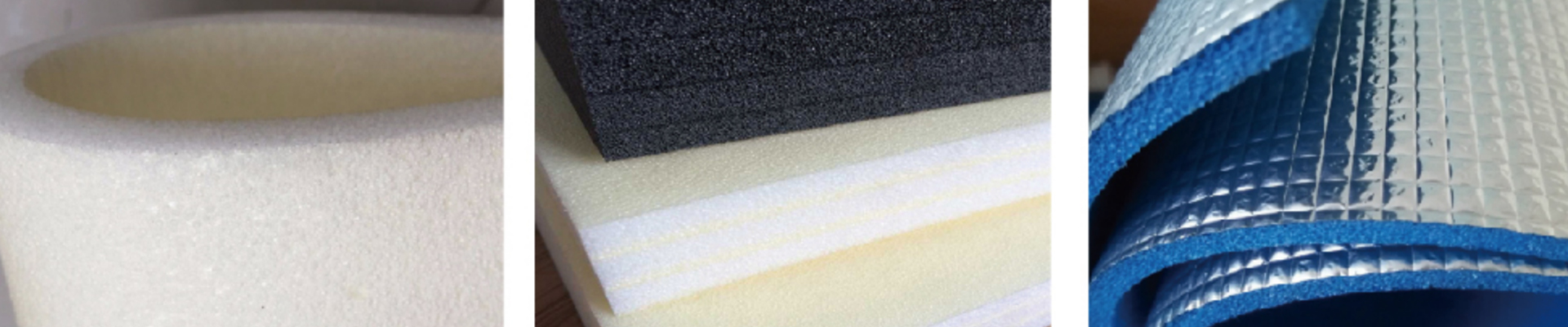
Chemical stability stands as the foremost priority when building child-contact environments. EPE proves structurally safer than older PVC formulations or low-grade polyurethane foams. The manufacturing process utilizes heat and pressure—known as physical foaming—rather than toxic chemical blowing agents like CFCs. This clean production method actively prevents the emission of Volatile Organic Compounds (VOCs). Consequently, you get a highly stable product. Sourcing high-quality non-toxic EPE foam ensures you avoid harmful off-gassing in enclosed, climate-controlled play areas. Operators must prioritize this baseline chemical safety to protect developing respiratory systems.
To verify these safety claims, you must request exact documentation from your suppliers. Do not accept vague verbal promises regarding safety. Instead, instruct your purchasing team to demand these specific compliance certificates:
Beyond baseline chemical stability, the material offers outstanding hypoallergenic properties. Its non-porous nature actively resists dust mites, microbial growth, and mold accumulation. This creates a critical selling point for parent-facing facility marketing. You can confidently promote your indoor playground as an allergy-friendly, ultra-hygienic space. Modern parents highly value respiratory safety and cleanliness when choosing recreational venues for their families.
Impact attenuation defines how well a material protects a falling child. EPE utilizes a unique closed-cell structure to distribute kinetic energy upon impact. When a child falls, the trapped air within millions of individual microscopic cells compresses simultaneously. This mechanism absorbs the immediate shock before returning to its original shape. You must precisely map specific foam thickness to standard safe fall heights. A two-inch layer typically suffices for a toddler stumbling on flat ground. However, commercial climbing walls demand significantly thicker, higher-density configurations to prevent injury.
We must address the compression reality with complete transparency. While highly cost-effective, standard EPE can permanently compress over time. It will eventually "bottom out" faster than Expanded Polypropylene (EPP) or high-density EVA under heavy, continuous use. If you install it in commercial trampoline park landing zones or parkour courses, expect accelerated material fatigue. The continuous, focused pressure bursts the microscopic air cells, causing irreversible flattening and immediate loss of safety ratings.
This physical behavior heavily impacts your long-term return on investment. You should frame EPE as a high-value material specifically for medium-traffic and low-impact areas. It will require periodic replacement cycles to maintain safety compliance. You are ultimately balancing substantially lower upfront costs against higher lifetime replacement frequencies. Proper facility zoning becomes essential. Keep it out of extreme high-impact landing zones to maximize its lifespan.
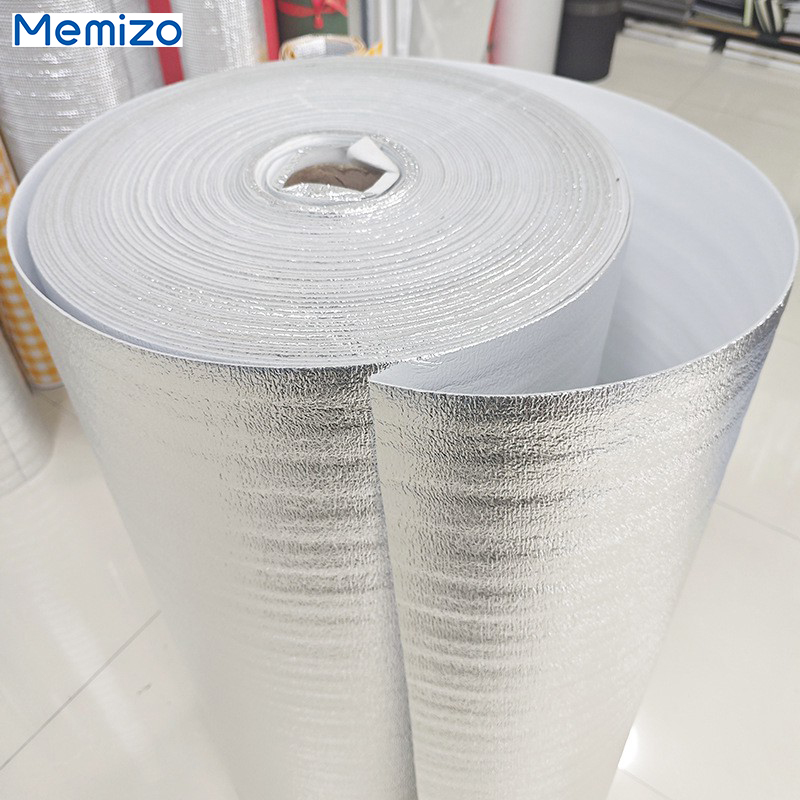
The material shines brightest in infant and toddler-specific zones. It remains the undisputed industry standard for creating an indoor baby play mat. Early motor skill development requires gentle soft-tissue protection. Infants crawling, rolling, and taking their first unsteady steps need immediate, forgiving resistance. EPE delivers exactly this cushioning profile without feeling overly rigid or abrasive against sensitive skin.
You will also find it highly effective for dedicated structural padding. Installers wrap it securely around steel posts, hard wall bumpers, and upper-level guardrails. In these specific locations, physical impacts are occasional rather than constant. A child might bump a support pole once a week. The padding easily absorbs this rare collision and bounces back flawlessly. It provides essential perimeter safety without demanding the extreme density of high-traffic floor systems.
Manufacturers frequently use it as the foundational core for soft play inserts. They meticulously layer the foam beneath heavy-duty vinyl or commercial PU leather covers. This technique creates modular climbing blocks, ramps, wedges, and cylinders. The naturally lightweight nature allows children to lift, carry, and stack the pieces independently. You get large, safe, highly interactive architectural elements that encourage unstructured play.
Comparing foam variants helps you allocate your facility budget wisely. When pitting EPE against EVA (Ethylene-Vinyl Acetate), toxicity risks become a critical differentiator. Cheap EVA occasionally contains formamide, a toxic byproduct generated during its chemical foaming process. High-quality EPE completely avoids this hidden chemical risk. While EVA feels slightly more flexible and rubbery, EPE offers superior peace of mind regarding indoor air quality and compliance.
When comparing it to EPP (Expanded Polypropylene), you must evaluate structural rigidity and weight-bearing capacity. EPP costs significantly more upfront but withstands massive loads without deforming. Position EPP for high-load commercial building blocks or severe impact crash zones. Conversely, reserve lightweight epe foam for surface cushioning and toddler zones where cost-efficiency matters more than extreme structural rigidity.
Polyurethane (PU) presents another common alternative in the play industry. PU boasts superior shape retention and memory foam properties, making it incredibly soft. However, it operates as an open-cell structure. If a child punctures the vinyl cover, PU acts exactly like a kitchen sponge, absorbing ambient moisture and liquid spills rapidly. EPE remains completely water-resistant even if the protective casing tears, making it far more resilient in unpredictable environments.
| Material Type | Shock Absorption | Water Resistance | Toxicity Risk | Best Facility Application |
|---|---|---|---|---|
| EPE (Expanded Polyethylene) | Moderate to High | Excellent (Closed-cell) | Low (Physical foaming) | Baby mats, wall padding, soft blocks |
| EVA (Ethylene-Vinyl Acetate) | High | Good (Closed-cell) | Moderate (Potential formamide) | Interlocking floor tiles |
| EPP (Expanded Polypropylene) | Excellent (High density) | Excellent (Closed-cell) | Low | Heavy-duty structural elements |
| PU (Polyurethane) | Excellent (Memory) | Poor (Open-cell) | Moderate (Chemical blowing) | Crash pits, deep soft seating |
Maintenance realities often dictate the long-term operational success of any play space. The closed-cell structure provides massive immediate benefits through superior water and spill resistance. Fluids simply cannot penetrate the surface layer. Spilled juices, tracked-in water, or biological accidents remain entirely on the exterior. Because moisture cannot enter the foam core, harmful bacteria and mildew cannot breed inside the material.
Your daily sanitization protocols must remain strict but chemically gentle. Provide a brief, clear operational guideline to your cleaning staff. They should exclusively use mild, pH-neutral soaps and warm water. Harsh chemical solvents degrade both the foam itself and its vinyl casing. Bleach or heavy industrial cleaners strip the plasticizers from the PVC covers, causing them to turn brittle, crack, and expose the vulnerable core.
Establish rigid inspection schedules to catch issues early. Daily checks prevent minor wear from escalating into major safety hazards or failed inspections.
Procurement requires precise technical terminology to avoid costly mistakes. Density specifications matter far more than mere thickness. Guide your purchasing team to look for density metrics measured in kilograms per cubic meter (kg/m³). A thick but low-density pad will compress instantly, offering zero actual fall protection. A slightly thinner but high-density pad consistently performs better and lasts longer under pressure.
Remember that the core is only as durable as its outer casing. You must rigorously scrutinize the cover material quality. We strongly recommend specifying 0.55mm commercial-grade PVC or high-grade PU leather. These durable materials resist sharp punctures and prevent tear propagation. If the cover fails, children will inevitably pick at the exposed core, destroying the equipment within days.
Thorough vendor vetting protects your facility investment. Watch out for clear red flags in supplier quotes and communications. If a vendor lacks independent lab testing reports, walk away immediately. Unclear density ratings usually indicate a severely inferior product designed for residential use. Furthermore, if they offer no warranty regarding compression timelines, they do not trust their own manufacturing quality.
EPE foam delivers a highly safe, practical, and cost-efficient material solution for modern play spaces. When deployed intelligently in the right zones—such as toddler crawling areas and structural protective padding—it performs exceptionally well. It protects children while keeping budgets manageable. However, achieving commercial longevity requires careful density specification and strategic facility zoning. You cannot treat all foam equally or expect it to survive extreme impact areas.
Take immediate action to safeguard your facility and your investment. Request detailed material spec sheets from your current suppliers today. Order physical foam samples so you can test the density, recovery speed, and cover quality yourself. Finally, consult with a professional playground architect to zone your facility's materials correctly, ensuring maximum safety and long-term durability.
A: No. High-quality EPE utilizes a physical foaming process rather than chemical blowing agents. It boasts non-toxic, food-grade origins and completely lacks phthalates, BPA, and latex. This precise chemical stability makes it ideal and entirely safe for continuous infant exposure in indoor play environments.
A: You can expect realistic functional timelines of 1 to 3 years. The exact lifespan heavily depends on daily foot traffic, cleaning rigor, and the integrity of the outer cover. Proper pad rotation and avoiding harsh chemical cleaners will significantly extend this timeline.
A: While inherently combustible as a plastic derivative, commercial-grade playground EPE must be treated with flame retardants. This ensures it successfully passes local fire codes. Buyers should always verify fire-rating certificates (like ASTM E84 or EN 13501-1) before installing it in public facilities.
A: Yes. It offers excellent environmental benefits as a 100% recyclable plastic. Classified under Resin ID Code 4, facilities can melt it down and repurpose it. This specific aspect strongly appeals to eco-conscious operators aiming to reduce their overall environmental footprint.