
Views: 0 Author: Site Editor Publish Time: 2026-08-03 Origin: Site


Baby play spaces are magnets for daily disasters. They attract spills, crushed crackers, and inevitable biological messes. Maintaining a hygienic surface is a non-negotiable safety requirement for your child. Parents love Expanded Polyethylene foam because it is lightweight, non-toxic, and highly cushioned. However, this specific material requires gentle, deliberate care. You must maintain its structural integrity and safety profile. Without proper upkeep, dirt builds up quickly. The protective cushioning can also degrade over time. Babies spend hours rolling, crawling, and tasting everything in their path. A pristine environment prevents illness and extends the life of your investment. We will explore the science behind closed-cell materials to explain why certain cleaners work while others fail. Following these protocols ensures your baby enjoys a clean, secure space every single day. This guide provides a definitive, evidence-based roadmap for daily upkeep, deep cleaning, and long-term maintenance. You will learn exactly how to maximize the lifespan of your play space.
Material Reality: EPE foam is closed-cell and waterproof, meaning messes sit on the surface and won't absorb, but the material is vulnerable to harsh chemicals and high heat.
Daily Protocol: A damp cloth with water and mild, baby-safe dish soap is highly effective for 95% of daily cleaning.
Risk Avoidance: Abrasive scrubbers, bleach, and vacuums with heavy beater bars will permanently damage the mat's textured surface.
Lifespan Management: Preventative maintenance (avoiding heavy furniture, pet claws, and direct sunlight) is as critical as active cleaning.
You cannot effectively clean a material without understanding its structural composition. A proactive cleaning approach revolves around specific physical properties. This knowledge sets realistic expectations for daily upkeep. epe foam is an engineered polymer. It boasts several unique advantages but also harbors distinct vulnerabilities.
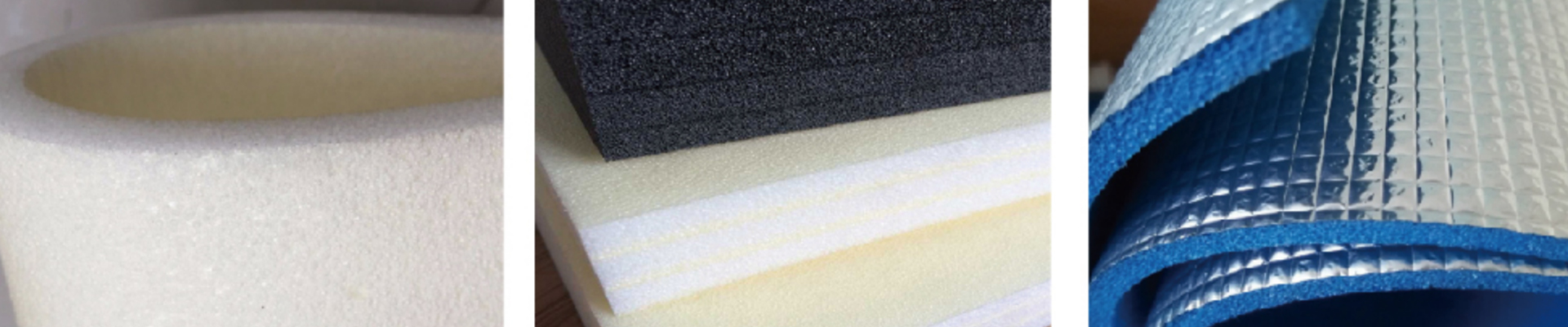
Expanded Polyethylene features a closed-cell structure. Millions of tiny, individual bubbles make up the core. These bubbles do not connect to one another. Liquids cannot penetrate the core structure. It remains inherently water-resistant. This design actively resists mold and mildew growth. Spills simply pool on top instead of soaking into the center. You rarely need to worry about hidden fungal growth beneath the surface layer.
Manufacturers design these products to prevent slipping. They add raised, tactile patterns for baby grip. This necessary safety feature creates a cleaning challenge. The textured valleys easily trap fine dust. Sticky residues settle into the grooves. You must prioritize thorough surface wiping. Deep soaking is unnecessary and ineffective. The dirt sits strictly on the exterior. Wiping physically lifts the debris out of the textured channels.
These polymers have strict limitations. They are highly sensitive to extreme heat. High temperatures will melt or warp the structure permanently. Harsh solvents present another significant threat. Heavy-duty cleaners degrade the non-toxic top layer. They strip away the protective coating. This exposes the inner core to premature wear. You must prioritize mild cleaning agents to protect the chemical stability of the polymer.
Material Profile Overview
Property | Physical Implication | Actionable Cleaning Rule |
|---|---|---|
Closed-Cell Core | Liquids cannot penetrate the interior. | Avoid soaking; wipe spills directly from the surface. |
Textured Grip Layer | Micro-grooves trap dust and food particles. | Use targeted mechanical wiping to lift trapped debris. |
Low Heat Resistance | Polymer structure warps under high temperatures. | Never use steam mops or hot water. |
Solvent Sensitivity | Harsh chemicals break down the non-toxic seal. | Rely strictly on pH-neutral, mild detergents. |
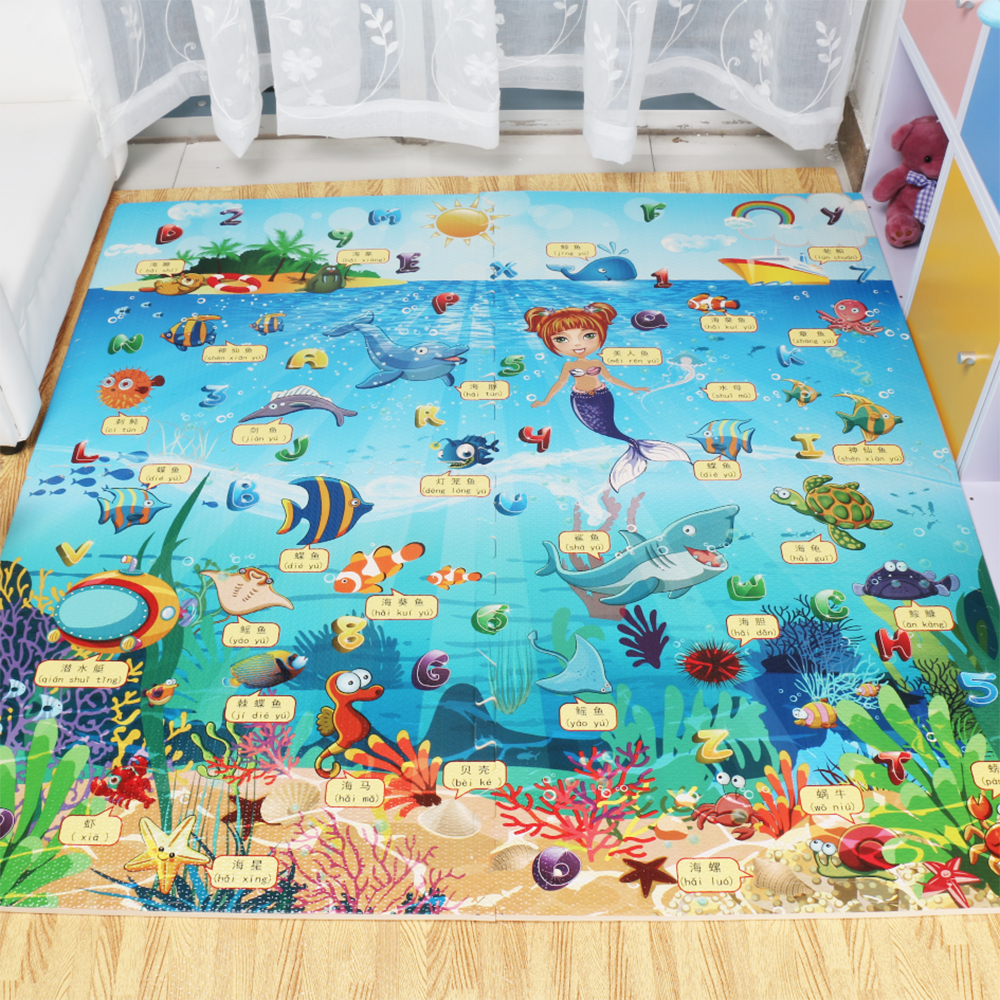
Consistency reduces your overall workload. A low-friction daily Standard Operating Procedure (SOP) keeps the play area sanitary. You only need a few minutes each evening. Implementing this routine protects your epe foam play mat from long-term grime buildup.
Dry Debris Removal: Start by eliminating loose particles. Crumbs, hair, and dust act like sandpaper under pressure. Use a soft-bristle broom to sweep the area. Alternatively, push a dry microfiber mop across the floor. Do not use stiff bristles. They will micro-scratch the top layer over time.
The Damp Wipe: Prepare your daily cleaning solution. Fill a bowl or spray bottle using warm water. Add one to two drops of a pH-neutral, plant-based dish soap. Dip a clean microfiber cloth into the solution. Wring it out completely until it is barely damp. You want moisture, not puddles.
The Crevice Focus: Pay close attention to your wiping technique. Wipe strictly along the textured grain. Following the pattern lifts trapped dirt out of the tiny grooves. Circular motions often push dirt deeper into the valleys. Apply gentle, even pressure across the entire surface.
Air Drying: Moisture causes extreme slip hazards. Let the surface air dry completely before use. Proper ventilation accelerates this process. Ensure no damp spots remain before allowing children back onto the floor.
Best Practice: Keep a dedicated spray bottle of your soap mixture nearby. Spot-clean minor spills instantly to prevent them from drying into the textured grooves.
Daily wiping handles standard dust and minor spills. However, babies generate highly specific, stubborn messes. High-stress scenarios demand targeted interventions. You need safe, verifiable solutions that will not degrade your epe foam mat.
Biological messes require immediate sanitation and odor control. Spit-up and urine leave lingering smells if ignored. We recommend an enzyme-based, baby-safe cleaner. Enzymes break down biological proteins naturally without harsh chemicals. Alternatively, mix a 50/50 solution of water and white vinegar. Lightly mist the affected area. The acidity in vinegar neutralizes alkaline odors rapidly. It sanitizes the spot without breaking down the polymer structure. Wipe it clean immediately with a damp cloth.
Mashed fruit, jam, and stickers leave stubborn adhesives behind. Scrubbing these spots violently will tear the protective layer. You must lift the stickiness chemically rather than mechanically. Create a simple baking soda paste.
Mix one tablespoon of baking soda with a few drops of water.
Stir until it forms a thick, spreadable paste.
Apply the paste directly onto the sticky residue.
Leave it undisturbed for exactly five minutes.
Gently wipe it away using a warm, damp cloth.
The mild alkalinity of baking soda breaks down the adhesive bonds. It acts as an incredibly fine, non-abrasive lifter.
Toddlers frequently test their artistic skills on unintended surfaces. Crayon wax and pen ink strike fear into parents. You must set realistic expectations here. Some highly pigmented markers might leave faint permanent shadows. For fresh ink, place a small amount of rubbing alcohol on a cotton ball. Gently dab the ink stain. Do not rub aggressively. Wash the spot immediately using fresh water.
Common Mistake: Overusing alcohol dries out the foam. It causes the polymer to turn brittle. Reserve rubbing alcohol strictly for isolated, emergency ink removals.
Knowing what ruins the product builds essential trustworthy habits. Implementation risks often masquerade as cleaning shortcuts. Many common household tools and cleaners pose severe threats to these polymers.
Aggressive chemicals destroy cellular plastics. You must explicitly ban bleach and ammonia from your cleaning toolkit. They break down the chemical bonds within the polymer. This breakdown causes immediate discoloration and structural weakness. Furthermore, they leave toxic residues that transfer to your baby's skin. Avoid essential oils as well. Highly concentrated oils act as natural solvents. They will melt the top layer of the plastic over time.
Vacuuming seems like a logical timesaver. It is actually a primary cause of physical destruction. Warn everyone in your household against using standard upright vacuums. The motorized brush roll, often called a beater bar, spins aggressively. It will scratch the delicate surface. Worse, it often catches the edges. The spinning brush will chew, tear, and rip the borders apart in seconds. Stick exclusively to suction-only vacuums or manual sweeping.
The physical environment plays a massive role in product longevity. Prolonged direct sunlight causes severe ultraviolet degradation. UV rays break the polymer chains. The material will fade rapidly. It soon becomes brittle and begins flaking off in tiny pieces. Keep the play area away from harsh, direct window light. Additionally, ban steam mops completely. The extreme heat from steam mops will melt the texture and permanently warp the core.
Many parents try to anchor play spaces under coffee tables or chairs. This material does not possess 100 percent memory recall. It provides excellent shock absorption for walking, but it cannot withstand sustained pinpoint pressure. Heavy table legs will crush the closed-cell structure. They leave deep, permanent indentations. Once the cells crush, they never reinflate.
Hazard Impact Summary Chart
Hazard Category | Specific Threat | Resulting Damage |
|---|---|---|
Chemical | Bleach, Ammonia, Essential Oils | Polymer breakdown, toxic residue, surface melting. |
Mechanical | Upright Vacuums (Beater Bars) | Scratched texture, torn edges, physical shredding. |
Environmental | Direct UV Rays, Steam Mops | Fading, flaking, brittleness, thermal warping. |
Physical Load | Heavy Furniture Legs | Permanent indentations, crushed cell structure. |
Every product eventually reaches the end of its usable lifecycle. You must evaluate the current state of your setup regularly. Recognizing wear patterns helps you understand when a product remains safe and when it poses a risk.
Daily use naturally dulls the vibrant colors. Minor surface scuffs from toys are entirely normal. As long as the waterproof top layer remains perfectly intact, it is safe. Small cosmetic blemishes do not compromise the shock absorption. You can continue your regular maintenance routine without worry.
Certain types of damage represent critical safety failures. You must identify these dealbreakers immediately. Deep punctures are a major red flag. Tears that expose the inner foam compromise the waterproof seal. Once liquids enter the core, bacteria and mold thrive inside. You cannot clean the interior safely.
Furthermore, exposed inner foam poses a severe choking hazard. Teething babies will pick at ripped edges. They can easily bite off small chunks. Severe flaking of the top layer also indicates chemical or UV failure. Once the surface starts peeling like a sunburn, you must discard the product immediately.
Proper storage significantly extends usable life. When you need to clear the floor, you must handle the material correctly. Always roll it into a loose cylinder. Never fold it. Folding creates sharp creases. These creases place immense stress on the cellular structure. Over time, folds turn into permanent weak points and eventual tears. Secure the rolled cylinder with a soft strap and store it upright in a climate-controlled closet.
Maintaining your play space requires consistent, low-friction habits rather than complex chemical interventions.
Rely on mild dish soap, warm water, and gentle wiping motions to protect the specialized closed-cell structure.
Audit your cleaning cabinet today to remove harsh solvents, bleach, and essential oils away from baby zones.
Inspect your floor space weekly for deep punctures, severe flaking, or tearing that could pose choking hazards.
Protect your investment by keeping it out of direct sunlight and away from motorized vacuum brushes.
A: No. You must never place this material in a washing machine. The intense mechanical agitation will tear the structure apart. Additionally, the heat from the water and friction will permanently warp the cells. You should rely exclusively on gentle spot cleaning and manual wiping to preserve its integrity.
A: The material itself is chemically safe and non-toxic for animals. However, it is structurally highly vulnerable to them. Dog and cat claws are sharp enough to puncture the soft, textured surface easily. Once punctured, the waterproof seal breaks. Keep pets out of the designated play zone to prevent rapid physical destruction.
A: It typically takes 10 to 15 minutes to air dry completely in a well-ventilated room. Because the material is waterproof, water sits purely on the surface. If you need the space immediately, you can expedite the process. Simply wipe the entire area down with a clean, dry microfiber towel.
A: Yes, baby wipes work well for immediate, quick spot treatments of small spills. However, avoid using them for daily full-surface cleaning. Many wipes contain heavy fragrances, moisturizers, or soothing oils. These ingredients leave a slick, slippery buildup on the surface, creating a dangerous slip hazard for crawling infants.