
Views: 0 Author: Site Editor Publish Time: 2026-08-09 Origin: Site


Transitioning to floor time represents a major milestone for your growing infant. Early activities like tummy time, crawling, and taking those exciting first steps require a stable environment. You need a dedicated surface balancing soft impact protection with firm developmental support. However, parents face a tough material dilemma today. The modern market overflows with cheap foam options like EVA, PVC, and TPU. It becomes incredibly difficult to verify safety claims confidently. You also want to avoid bringing toxic off-gassing into your carefully curated nursery. We created this comprehensive guide to solve this exact problem for you. You will discover an evidence-based framework for evaluating modern play surfaces thoroughly. We will focus strictly on material safety, orthopedic support, and long-term durability. By the end of this guide, you will have the practical knowledge required. You will be fully ready to drive a confident, health-conscious purchasing decision for your family.
Safety First: XPE (Cross-linked Polyethylene) is fundamentally safer than EVA and PVC due to the absence of formamide, BPA, and phthalates.
Developmental Support: Optimal mats prioritize firmness over pure softness to support skeletal alignment and provide leverage for rolling and crawling.
Format Matters: Choosing between an XPE rolling play mat and a folding variant depends on your hygiene requirements (seamless vs. creased) and storage constraints.
Verification: Always look for independent compliance certifications (e.g., CPSIA, EN71, ASTM) rather than relying on generic "non-toxic" marketing labels.
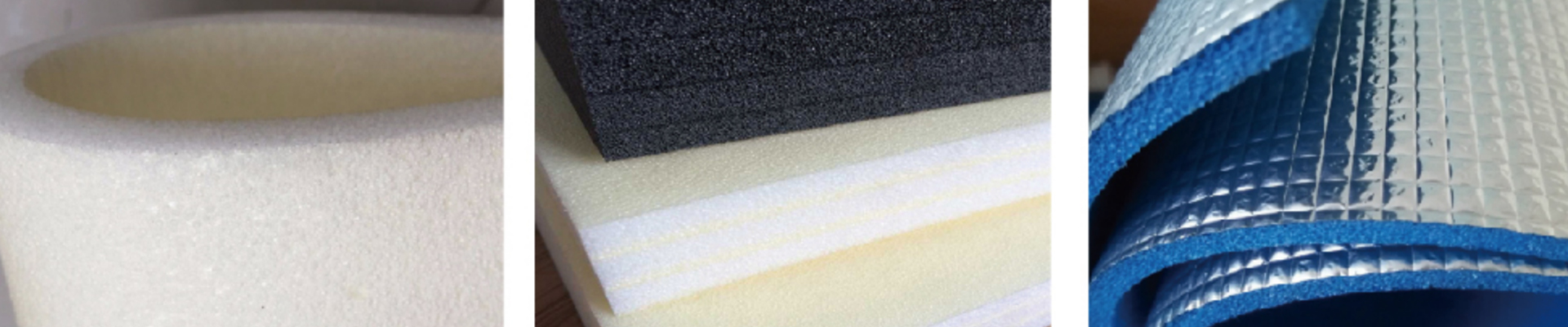
Manufacturers use entirely different base foams to create nursery products. We must look closely at their chemical compositions to understand true safety. Cross-linked polyethylene (XPE) offers a highly advanced, structurally stable grid. It achieves this physical stability through a specific heating process. This process completely eliminates the need for toxic liquid plasticizers. Older materials like PVC heavily rely on these dangerous plasticizing chemicals for flexibility. Meanwhile, cheaper EVA options often contain a chemical called formamide. Manufacturers use formamide to create artificial softness quickly. XPE completely skips these hazardous chemical additives during production. It gives you incredible peace of mind when your infant plays.
Parents frequently worry about harsh chemical smells upon unboxing new baby gear. We must address this valid concern regarding off-gassing and indoor air quality. XPE requires zero to minimal off-gassing time in your home. You can usually safely unroll it and use it almost immediately. Other conventional materials often require several days outdoors to release pungent odors. A baby's respiratory system remains highly sensitive during their first year. Minimizing exposure to volatile organic compounds (VOCs) is a top priority.
We also see massive differences in lifecycle and physical longevity among these foams. You want a product capable of handling multiple children over several years. XPE resists daily compression exceptionally well due to its cross-linked cellular structure. It bounces back rapidly from heavy traffic and heavy baby equipment. Cheaper alternative foams degrade, flake apart, or flatten permanently over time. They simply cannot withstand the daily wear generated by an active toddler.
Material Specification | XPE (Cross-linked Polyethylene) | EVA (Ethylene-Vinyl Acetate) | PVC (Polyvinyl Chloride) |
|---|---|---|---|
Chemical Safety Profile | Excellent (Zero BPA or Phthalates) | Moderate (Risk of Formamide) | Poor (Requires Plasticizers) |
Off-Gassing Odor | Virtually Undetectable | Medium to High Intensity | High Intensity (Strong VOCs) |
Compression Resistance | High (Retains original thickness) | Medium (Prone to permanent dents) | High (Heavy but durable) |
Water Resistance | Complete (Closed-cell structure) | Partial (Can absorb over time) | Complete |
Many parents mistakenly hunt for the softest possible surface for their newborn. Osteopathic experts strongly warn against these excessively plush, pillowy surfaces. A "too soft" floor acts as an active developmental hazard for infants. Babies need adequate push-back resistance to practice safe and effective tummy time. This gentle resistance helps them build crucial neck and shoulder strength. They also require a firm, stable base to find mechanical leverage. Proper leverage allows them to push up, roll over, and eventually crawl. When you select an xpe baby mat, you must ensure it offers this proper density. High density prevents the infant's heavy head and torso from sinking deeply. It actively supports natural spinal alignment during prolonged periods of independent floor play.
Drop protection remains a critical priority for all attentive caregivers. Babies inevitably tumble, tip, and fall during the complex sit-to-stand transition. We need to establish a strict baseline thickness for safety. We recommend seeking a thickness ranging from 0.4 to 0.6 inches. This translates to roughly 1cm to 1.5cm of dense foam. This specific thickness mitigates minor head bumps highly effectively without compromising balance. High-density foam also serves dual household purposes beyond simple drop protection. It acts as a powerful thermal barrier against cold, hard concrete or tile floors. Furthermore, it beautifully dampens acoustic impact in shared modern living spaces. Your downstairs neighbors will certainly appreciate the noticeable noise reduction during active playdates.
You must look closely at the micro-texturing applied across the surface. Proper slip resistance prevents frustrating setbacks during those early, clumsy crawling attempts. The texture must provide enough physical grip for bare infant feet. However, it should never cause harsh friction burns on their delicate bare knees. Visual stimulation also plays a major role in your final choice. You face an interesting trade-off regarding the printed design. Minimalist, neutral designs look beautiful in modern, adult-centric living rooms. High-contrast developmental patterns offer better visual engagement for developing infant optic nerves. Many modern brands solve this by offering reversible designs. They give you a stylish pattern on one side and a playful pattern on the other.
Parents face an endless barrage of daily household messes. You will encounter spilled purees, sudden spit-up, and unexpected diaper leaks constantly. A reliable floor surface must handle these daily disasters gracefully and quickly. This is where cross-linked polyethylene truly outshines woven rugs or standard carpets. It features a highly effective, tightly sealed closed-cell structure. This microscopic architecture makes it inherently waterproof and intensely stain-resistant. Liquids simply bead up on the top layer instead of soaking inward. You can easily manage a massive juice spill with a simple dry towel. It prevents harmful bacteria and unseen mold from growing beneath the surface.
Following strict cleaning protocols extends the lifecycle of your nursery investment. We highly recommend adopting a gentle, consistent cleaning routine.
Best Practice: Use mild, baby-safe dish soap mixed with warm water. Wipe the area down gently using a soft, non-abrasive microfiber cloth.
Sanitization: You can use heavily diluted white vinegar for natural antibacterial cleaning.
Common Mistake: Avoid harsh bleach, industrial degreasers, or abrasive sponge scrubbers. These harsh chemicals will rapidly strip the protective outer film away.
We must also transparently address households actively holding furry friends. Dogs and cats love resting on supportive foam just as much as babies do. However, foam surfaces remain inherently vulnerable to sharp, unclipped pet claws. You should frame your expectations firmly around puncture resistance rather than absolute invincibility. No lightweight foam surface offers a completely puncture-proof guarantee against a determined cat. Keep heavy, energetic dogs from running frantically across the designated play area. Trimming your pet's nails regularly will dramatically reduce accidental surface damage.
You will primarily choose between two distinct structural formats for your home. Both options utilize the same safe materials but offer drastically different functional experiences.
An xpe rolling play mat offers a distinct, massive hygiene advantage. These single-piece designs feature absolutely no crevices, seams, or deep folding hinges. Dust, sticky crumbs, and spilled liquids have nowhere to hide or pool. You can wipe the entire continuous surface clean in mere seconds. This seamless format serves perfectly for permanent or semi-permanent nursery setups. It also excels in dedicated playroom environments where aesthetics and extreme cleanliness matter equally.
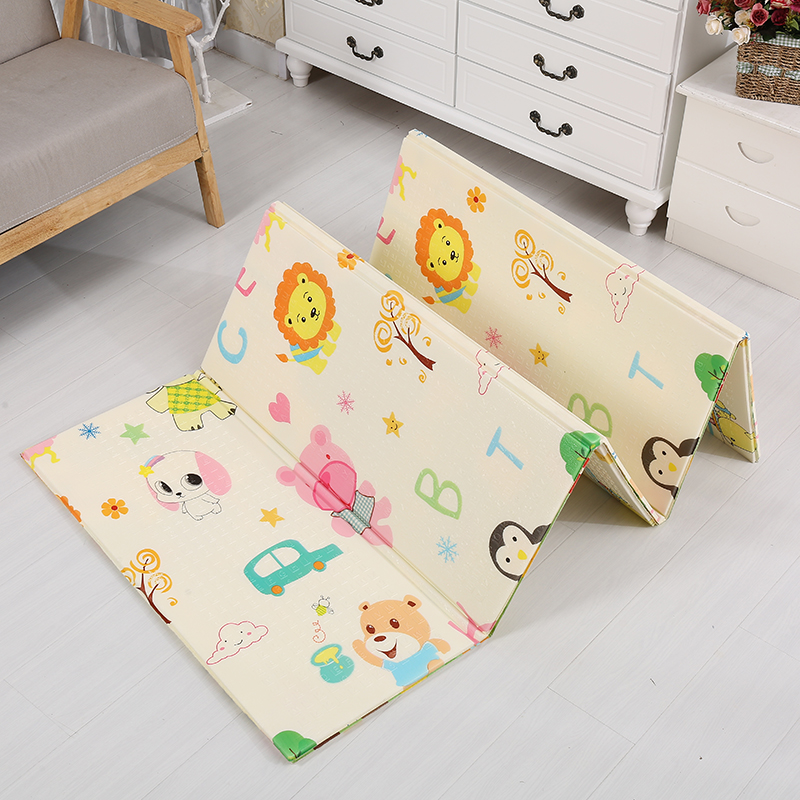
Accordion-style folding variants serve an entirely different lifestyle need. Some families live in tight spaces and need to reclaim their living room daily. You might also require a highly travel-friendly option for visiting grandparents. Folding mats collapse quickly and slide seamlessly under standard sofas or beds. However, these folding channels introduce a minor cleaning challenge. Small crumbs and pet hair naturally migrate into the folded valleys over time. You will need to vacuum these specific hinges regularly to maintain proper hygiene.
Consider the initial unboxing experience carefully before setting up the room. Rolled products often exhibit a slight physical curl effect initially upon unboxing. They require a short stabilization time to lay perfectly flat against the floor. We suggest following a simple rollout protocol.
Unpack the product in a warm room to soften the materials.
Roll it loosely in the exact opposite direction of its original packaging.
Place gentle, flat weights (like heavy books) on the four corners overnight.
Folding options completely bypass this annoying curl effect out of the box. They sit flat immediately but require you to manage the visible seams.
Brands frequently slap generic "non-toxic" or "eco-friendly" labels on their packaging. You must learn to look firmly past these empty marketing buzzwords. As a responsible consumer, you should demand verifiable, independent testing standards. True safety is proven in a laboratory, not just invented in a marketing department. Always check the brand's official website for published compliance certificates.
Legitimate, high-quality products undergo rigorous third-party chemical testing before reaching your home. You should familiarize yourself with several key global regulatory standards.
CPSIA (United States): This strict standard ensures aggressive limits on lead and phthalates. It is mandatory for children's products sold domestically.
ASTM F963 (United States): This defines comprehensive safety specifications. It covers both mechanical hazards (like choking) and chemical safety limits.
EN71 (Europe): This enforces incredibly rigorous testing for heavy metal migration. It ensures elements like cadmium and mercury never touch your baby.
REACH (Europe): This broadly regulates the registration and strict restriction of harmful chemical substances globally.
Flammability standards hold equal importance in your evaluation process. Nursery products must pass strict flammability tests to ensure household safety. However, they must pass these tests without utilizing toxic chemical flame retardants. Added synthetic flame retardants pose severe, well-documented respiratory risks to developing infants. High-quality cross-linked polyethylene often meets flammability safety thresholds based on its dense physical structure alone. It does not need those hazardous chemical baths to keep your family secure.
Choosing the right floor surface directly impacts your child's daily comfort and safety. Cross-linked polyethylene clearly stands as the premium standard for modern parents. It brilliantly prioritizes non-toxic materials, exceptionally easy maintenance, and vital orthopedic support. You no longer have to compromise between a stylish home and a safe developmental environment. By prioritizing firmness, verifying independent certifications, and selecting the right format, you win.
Here are your immediate, action-oriented next steps to finalize your decision:
Measure your available nursery or living room floor space highly accurately.
Decide honestly if your daily routine demands a rolled or folded format.
Verify third-party safety testing certificates directly on the manufacturer's website.
Select a reversible surface design that complements your existing home decor.
A: Yes, provided the manufacturer uses strict food-grade material standards. High-quality cross-linked polyethylene is chemically inert, non-toxic, and hypoallergenic. Its dense closed-cell structure also significantly minimizes dangerous flaking risks. However, you should always monitor aggressively teething babies. Supervision prevents them from utilizing their sharp new teeth to bite off small foam chunks.
A: It typically takes 24 to 48 hours for a rolled product to relax completely. You can speed up this memory-release process effectively at home. Try reverse rolling the material loosely for a few hours. Placing heavy books on the curled corners in a warm, sunny room also helps tremendously.
A: You can, but you must exercise caution during installation. Placing lightweight foam over thick, plush carpeting often creates noticeable stability issues. The product may bunch up, shift, or create a tripping hazard when stepped on. It generally works best over hard floors or very low-pile, tightly woven rugs.
A: No, it strictly does not. The primary advantage of cross-linked polyethylene is its incredibly clean chemical profile. It achieves its soft, supportive structure through specialized physical cross-linking via heat. It never requires harmful liquid plasticizers, BPA, PVC, or hazardous formamide during the manufacturing process.