
Views: 0 Author: Site Editor Publish Time: 2026-07-27 Origin: Site


The market for non-toxic baby products is expanding rapidly across the globe. This massive consumer shift makes a high-quality xpe baby mat a highly profitable SKU for modern baby brands. However, navigating overseas suppliers carries significant compliance and quality risks. Relying on unit price alone often leads to failed compliance audits at customs. You might encounter inconsistent foam density, ruined packaging, or toxic off-gassing issues involving harsh chemicals. This article provides a strict, evidence-based evaluation framework. We will help brand owners and distributors vet manufacturers thoroughly. You will learn how to audit production capabilities and secure a compliant, scalable supply chain. By following these guidelines, you can build a resilient product lineup. Consumers demand absolute safety for their infants. We show you exactly how to verify those safety claims before you place a massive bulk order.
Material Supremacy: XPE (Cross-linked Polyethylene) outpaces EVA and EPE in safety and durability, but raw material purity varies by factory.
Compliance is Binary: A legitimate manufacturer must provide verifiable, up-to-date third-party testing (SGS/Intertek) for EN71, CPSIA, and REACH.
Production Capability: Evaluate suppliers based on their tooling limits, edge-sealing techniques, and format flexibility—including both foldable designs and the standard xpe rolling play mat.
Risk Mitigation: Conduct independent factory audits (BSCI, ISO9001) to verify production capacity and raw material sourcing transparency before signing contracts.
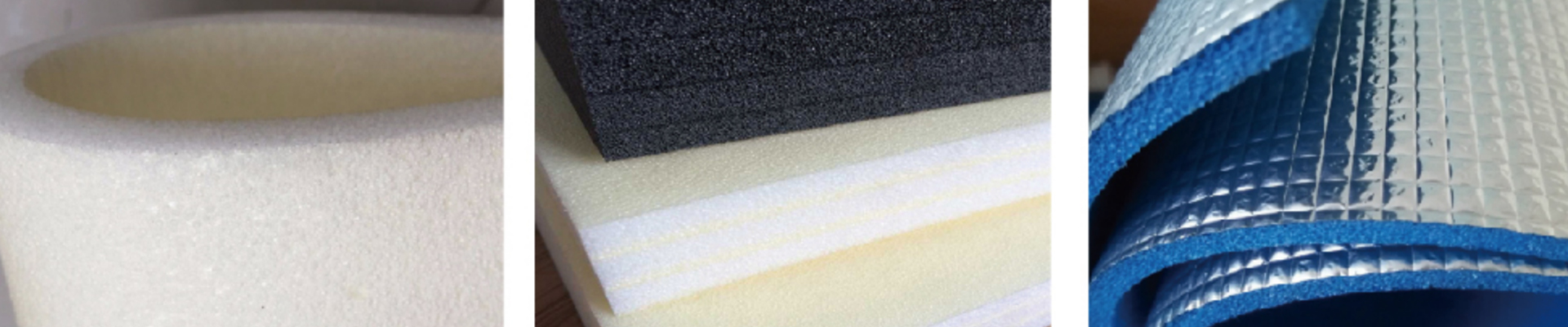
XPE stands for cross-linked polyethylene. Manufacturers produce it using a continuous physical foaming process. This specific process requires high heat and avoids harsh chemical blowing agents. High-quality XPE qualifies as food-grade material. It contains zero harmful residues. Unfortunately, some unethical factories blend recycled materials into their foam vats. They do this to slash production costs drastically. Recycled plastics introduce heavy metals and unknown chemical impurities. You must demand 100% virgin XPE material from your supplier. Ask them to document their raw material origins. Reliable factories gladly provide upstream supplier certificates. If a supplier evades questions about virgin materials, walk away immediately. Your brand reputation depends entirely on baseline chemical purity.
Density matters much more than simple thickness. Many buyers assume a thicker mat automatically provides better protection. This assumption is deeply flawed. High foam density means better shock absorption. It protects toddlers from hard falls on tile or hardwood floors. Low-density foam compresses quickly under pressure. It loses its structural shape and tears easily during daily use. High customer return rates usually stem from low-density foam cores. You should specify a minimum density threshold in your initial inquiry. Factory samples often feel deceptively firm at first touch. You must test them using prolonged pressure. Place a heavy object on the sample for 24 hours. Measure how quickly the foam bounces back to its original shape. Fast recovery indicates premium density.
Traditional EVA foam dominated the market for decades. However, the manufacturing process for EVA often leaves behind formamide. Formamide is a known reproductive toxin. Many countries now strictly regulate or ban it in children's products. XPE eliminates this severe chemical risk entirely. The cross-linking process simply does not produce formamide. Furthermore, pure XPE contains zero PVC, phthalates, or BPA. You can confidently market it to anxious parents as completely non-toxic. Understanding this chemical divide grounds your purchasing requirements. Do not let suppliers talk you into accepting cheaper EVA blends. Stick strictly to cross-linked polyethylene for absolute safety.
Table: Play Mat Material Comparison
Feature | XPE Foam | EVA Foam | EPE Foam |
|---|---|---|---|
Toxicity Profile | Non-toxic (Zero Formamide) | High risk of Formamide | Non-toxic |
Durability | High (Excellent structural recovery) | Moderate | Low (Prone to tearing easily) |
Shock Absorption | Superior | Good | Poor |
Manufacturing Cost | Premium | Moderate | Cheap |
Top-tier suppliers handle multiple product lines seamlessly. A highly popular foldable design requires exceptionally durable hinges. Poor hinges snap after repeated folding and unfolding. You must inspect the cutting dies used for these hinges. Seamless designs offer different structural benefits. Creating a standard xpe rolling play mat requires massive, continuous pressing rollers. Evaluate their factory floor layout closely. Ask if they own dedicated machinery for both formats. Factories outsourcing their cutting or pressing stages introduce quality control blind spots. You want a vertically integrated supplier. They should control every step from foam extrusion to final packaging.
Babies explore the world by chewing on everything they find. Therefore, you must scrutinize the printing process intensely.
Demand plant-based or water-based inks exclusively for all patterns.
Inspect the facility for advanced sub-surface printing machinery.
Ensure a clear, anti-scratch PE matte film seals the ink layer completely.
Test the final surface for color fastness under UV light and moisture.
Sub-surface printing remains absolutely non-negotiable. This method prints the design on the underside of a transparent film. The factory then thermally bonds this film to the foam core. It traps the ink safely beneath a protective layer. Babies cannot scratch or ingest the pigments. This process also prevents the beautiful designs from fading over time.
Unsealed edges act like sponges. They absorb spilled milk, pet urine, and moisture. They trap dangerous bacteria and mold inside the foam core. Automated thermal pressing creates a hygienic, waterproof seal around the entire perimeter. Poorly pressed edges peel quickly after minor use. Peeling film becomes a severe choking hazard for infants. Look for factories utilizing robotic thermal edge-sealers. Hand-pressed edges always show visible inconsistencies. You can easily spot hand-pressed mats by looking for wrinkled corners. Demand machine-pressed edges in your specification sheet.

Certifications vary heavily depending on your target region. You cannot sell blindly across borders. The US market legally requires ASTM F963 compliance. Furthermore, CPSIA strictly regulates allowable limits for lead and phthalates. European markets demand EN71 compliance. This standard breaks down into mechanical safety, flammability, and chemical migration. You must also clear REACH SVHC protocols for the EU. These frameworks ensure absolute chemical safety. Australian and Canadian markets have their own strict overlays. Always map out your target regions before contacting factories. A good factory already holds these certificates for their generic models.
Never trust a PDF document blindly. Unscrupulous suppliers sometimes alter old certificates using photo editing software. You need a highly skeptical auditing framework. Demand test reports issued within the last 12 months. Ensure they come directly from internationally accredited labs. SGS, TUV, and Intertek represent the gold standard here. The product SKU on the report must match your exact order. Verify the document number directly on the laboratory's official online portal. If the supplier refuses to provide the report number, immediately disqualify them.
Chemical safety represents only half the battle. Babies pull, bite, and aggressively scratch play mats daily. Standardized physical testing is crucial for longevity.
Bite resistance testing to prevent foam pieces from becoming choking hazards.
Flammability testing to ensure slow burn rates in domestic emergencies.
Anti-slip traction checks on wet and dry surfaces to prevent slipping.
Tensile strength testing to guarantee hinge durability on foldable models.
Ask the factory for videos of their internal physical testing lab. Premium manufacturers test batches daily before shipping them out.
A pristine pre-production sample means nothing without consistent mass production. Prioritize factories holding valid ISO 9001 certifications. This global standard proves they utilize systematic quality management processes. They document errors and correct them systematically. BSCI certification ensures ethical labor practices across the facility. Social compliance protects your brand reputation from sweatshop scandals. Major retailers will demand these audit reports before stocking your products. Conduct an independent third-party audit before transferring your initial deposit. It costs a few hundred dollars but saves thousands in ruined inventory.
In-line inspections catch manufacturing errors early on the assembly belt. End-of-line inspections happen far too late. By then, the factory has already wasted materials. Evaluate how the supplier handles defect management. Ask how they address uneven foam thickness during extrusion. Query their automated methods for detecting trapped air bubbles under the printed film. Misaligned prints ruin premium branding instantly. A rigorous QC team pulls these specific defects immediately. They should never pack a defective unit into a shipping carton. Request their written internal QC manual.
Traceability defines a truly reliable manufacturer. Trustworthy suppliers reveal their upstream chemical partners willingly. Assess their supply chain resilience against global market shocks. Sudden chemical shortages halt production lines instantly. Reliable factories maintain strategic raw material reserves on-site. This buffering prevents sudden price spikes for buyers. If a factory buys foam day-to-day from local spot markets, your pricing will fluctuate wildly. Stability in raw material sourcing guarantees stability in your profit margins.
Custom branding drives much higher profit margins. Outline your exact aesthetic requirements early in the negotiation. Evaluate the initial tooling costs for custom textures. Unique alphabet patterns or brand logos require custom steel molds. Bespoke sizing also demands specific cutting dies. Clarify in writing who owns the mold after payment. You do not want the factory using your custom mold for competitors. Discuss their capability to match specific Pantone colors accurately. Precision in customization separates premium brands from generic sellers.
Standard white-label patterns carry very low minimums. Custom prints demand much higher order quantities. Printing rollers are highly expensive to set up and calibrate. Expect minimums around 500 to 1,000 units for fully custom designs. Discuss tiered pricing models early on. Volume discounts significantly improve your unit margins. If you are a startup, ask about co-printing. Sometimes factories run multiple small orders on the same large printing sheet. This strategy can lower initial MOQs temporarily.
Play mats occupy massive shipping volumes inside shipping containers. They are inherently CBM (Cubic Meter) intensive items. Every wasted inch inflates your ocean freight costs. Evaluate their packaging engineering closely. Can they safely vacuum-pack the folding models without damaging the foam? Do they optimize outer carton dimensions to fit standard pallets perfectly? Efficient packaging protects your margins during international transit. Ask for exact carton dimensions and gross weights before finalizing the order. Calculate your landed costs meticulously.
Never skip the pre-production sample (PPS) phase. Establish a rigid timeline for PPS delivery. Review the sample under exact lighting conditions in your office. Test the foam recovery after unrolling the mat flat. Check the edge sealing for any sharp plastic burrs. Only approve mass production after signing the physical PPS. Send one signed copy back to the factory. Keep the other in your office for comparison against the final mass-produced batch.
Choosing an xpe baby mat manufacturer requires balancing material purity, compliance documentation, and production scalability. You cannot compromise on any of these three pillars. Start your sourcing journey with an initial RFI (Request for Information). Demand their compliance certificates upfront. Follow this by ordering a paid sample to test physical foam density and print quality yourself. Finally, encourage your team to finalize a highly detailed specification sheet. Present this sheet before reaching out to vendors. This preparation helps you maintain strong leverage during pricing negotiations. A rigorous vetting process ensures your products protect both infants and your brand reputation.
A: Standard lead times typically range from 30 to 45 days after PPS approval. This duration accounts for the creation of custom print rollers and initial material foaming. Peak manufacturing seasons may extend this timeline. Always confirm factory capacity before placing holiday orders.
A: Edge flaking usually stems from outdated manufacturing equipment. The factory likely lacks advanced automated thermal edge-pressing machinery. Hand-pressed or poorly sealed edges fail quickly under slight friction. This creates a severe choking hazard. Always demand seamless, machine-pressed edges.
A: Yes, top-tier factories usually support both formats. While the raw foaming materials remain identical, the cutting and pressing machines differ significantly. Seamless rolling mats require large continuous rollers. Folding mats require precise die-cutting and hinge-pressing tools. Verify they own both machine types.
A: Never accept a PDF document at face value. Locate the unique report number on the certificate. Visit the issuing agency’s official web portal, such as SGS, TUV, or Intertek. Enter the report number into their verification database. Ensure the tested SKU matches your order perfectly.