
Views: 0 Author: Site Editor Publish Time: 2026-08-02 Origin: Site


Selecting the right flooring material dictates the success of your space. Whether you are outfitting a commercial gym or designing a safe infant play area, the foundation matters heavily. Often, buyers face a frustrating problem. They look at two seemingly identical mats side by side. However, visual similarities mask massive differences in chemical composition, density, and long-term durability.
Making the wrong choice leads to degraded surfaces, wasted budgets, or safety compliance failures. Safety standards often dictate specific chemical profiles. Performance needs demand precise material memory. You must align these variables perfectly. This article provides a clear, evidence-based framework to guide your decision. You will learn how to evaluate these materials based on performance needs, budget constraints, and strict compliance standards. By the end, you will know exactly which polymer matches your project demands.
EPE Foam is highly cost-effective, non-toxic, and offers excellent initial shock absorption, making an EPE foam play mat ideal for low-impact, infant-safe zones.
EVA Foam delivers superior density, material memory (bounce-back), and traction, suited for high-traffic or high-impact environments like martial arts studios or commercial gyms.
Safety & Compliance: EPE is inherently safer regarding chemical off-gassing, whereas EVA requires careful vetting for formamide levels and REACH/SGS certifications.
ROI Factor: EPE saves upfront capital but degrades faster under heavy loads; EVA requires higher initial investment but extends the replacement cycle significantly.
Engineers design foam polymers for specific stress loads. You cannot substitute them interchangeably without compromising performance. To make an informed choice, we must first break down the chemical and structural properties of both options.
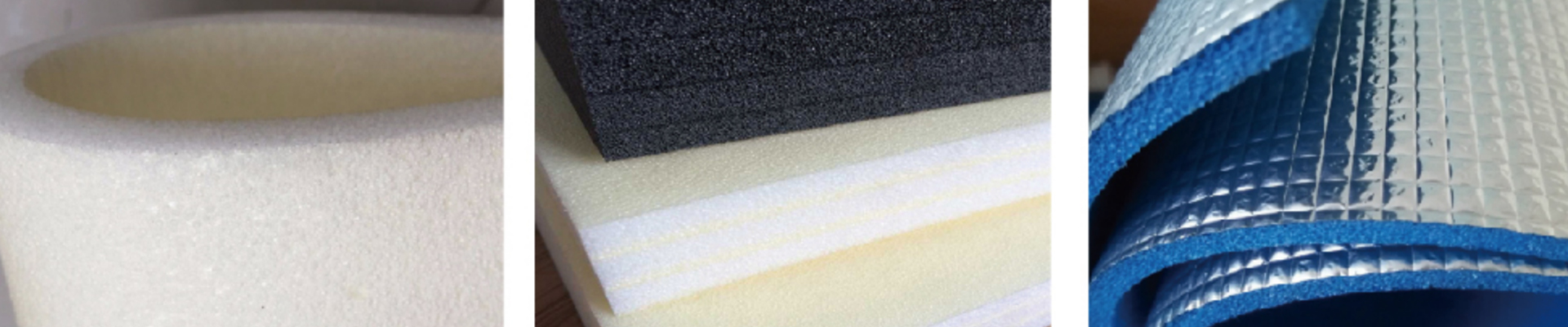
Expanded Polyethylene is a lightweight, closed-cell thermoplastic. Manufacturers produce it by heating polyethylene resins and injecting a blowing agent. This process creates millions of tiny, trapped air bubbles. These bubbles give epe foam its signature lightweight feel and impressive initial shock absorption.
Several core traits define this material. First, it is 100% waterproof. The closed-cell structure prevents moisture penetration entirely. Second, manufacturers easily mold it into various thicknesses and shapes. Third, it provides high thermal insulation, blocking cold floors effectively. Finally, it is highly eco-friendly. Recycling facilities process it easily because it melts down cleanly.
Ethylene-Vinyl Acetate is an elastomeric polymer. It behaves much like natural rubber. During production, vinyl acetate mixes with ethylene. The percentage of vinyl acetate determines the material's softness and flexibility. Higher percentages yield a softer, more rubber-like finish.
This polymer boasts distinctly heavy-duty traits. It possesses incredibly high density compared to standard plastics. It features resilient recovery, known as material memory. When you compress it, it forcefully bounces back to its original shape. It also demonstrates superior tear resistance and heavy-duty load-bearing capacity. These properties make it standard for demanding physical environments.
Knowing the chemical definitions only gets you halfway there. You must understand how these materials perform under real-world stress. Different environments demand different physical properties. Let us evaluate how they handle weight, chemical safety, sound dampening, and budget alignment.
Material Characteristic Comparison
Feature | Expanded Polyethylene (EPE) | Ethylene-Vinyl Acetate (EVA) |
|---|---|---|
Density & Weight | Low density, extremely lightweight | High density, moderate to heavy weight |
Material Memory | Poor (Prone to permanent flattening) | Excellent (High bounce-back rate) |
Toxicity Profile | Zero off-gassing, BPA/Phthalate free | Requires testing for formamide levels |
Best Application | Infant play areas, lightweight padding | Gyms, martial arts, high-impact zones |
Material memory defines how well a surface recovers from compression. When we apply static weight, the cellular structure reacts differently based on the polymer.
EPE is prone to "flattening" over time under sustained static weight. If you place heavy furniture on it, the cells crush permanently. Repetitive adult stepping also degrades the cushioning over several months. The trapped air escapes slowly under extreme pressure.
EVA boasts an excellent bounce-back rate. It resists permanent indentation from impacts or equipment. You can drop heavy weights on it, and the rubber-like elasticity pushes the cells back into place. This structural integrity guarantees long-term durability in active spaces.
Chemical safety is a non-negotiable metric. This is especially true for spaces utilized by children or pregnant women.
Industry regulators generally recognize Expanded Polyethylene as food-grade safe. It is inherently BPA-free and contains no phthalates. The manufacturing process does not require toxic cross-linking agents. Therefore, choosing an epe foam mat offers the safest bet for newborns and toddlers.
EVA foam carries a specific chemical caveat. The manufacturing process often generates formamide as a byproduct. Formamide is a known toxic compound at high concentrations. You must emphasize strict safety requirements when purchasing. Always require SGS or REACH testing reports from suppliers. These documents verify low or no-formamide levels, ensuring indoor air quality remains safe.
Physical weight and sound manipulation drastically affect user experience in large rooms.
EPE remains incredibly light. This makes it cheaper to ship and much easier to install or pack away. It offers decent sound dampening for light activities, like infant crawling or yoga stretching.
EVA is significantly heavier. This added weight provides a crucial benefit: it prevents shifting during active use. Mats stay locked together firmly. Furthermore, the dense structure delivers superior acoustic dampening. It absorbs the harsh sounds of dropped weights, jumping, or martial arts throws.
Budget constraints often force difficult decisions. You must analyze the tradeoff between initial procurement costs and long-term operational lifespan.
Expanded Polyethylene offers a lower procurement cost. It requires less raw material by weight, keeping production and shipping expenses down. However, it degrades faster under heavy loads. You may need to replace it more frequently if traffic exceeds its design limits.
Ethylene-Vinyl Acetate requires a higher upfront investment. The complex copolymerization process costs more. Yet, its incredible durability extends the replacement cycle significantly. It outlasts cheaper alternatives by years, delivering excellent long-term returns for commercial facilities.
Success depends entirely on matching the polymer's chemical behavior to your physical demands. Misalignment guarantees premature failure. Let us break down the exact scenarios where each material thrives.
You should deploy this lightweight option when safety and budget override heavy-duty durability needs. Here are the prime use cases:
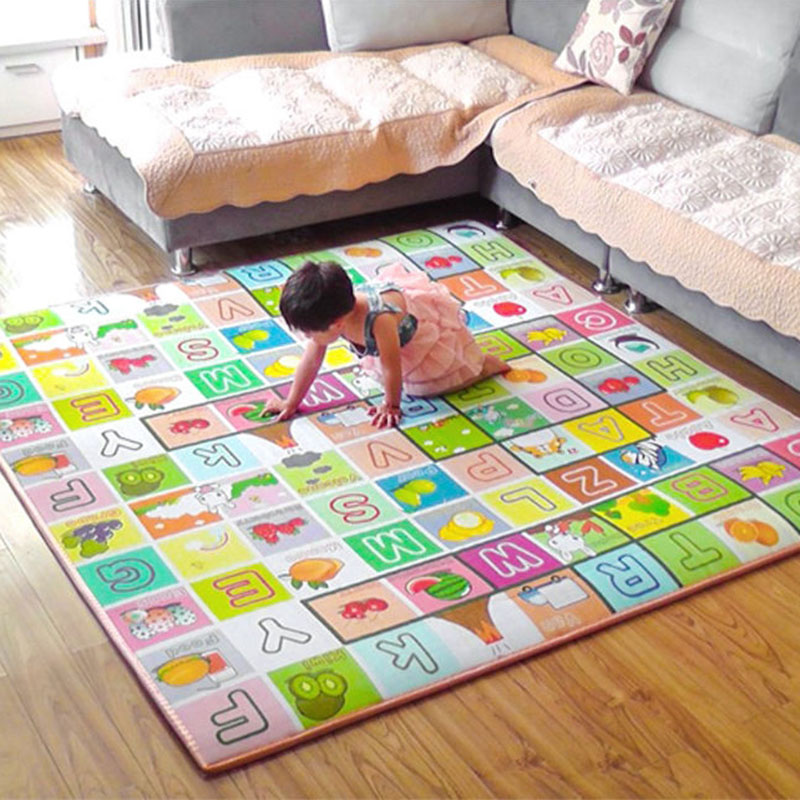
Infant and Toddler Play Areas: An epe foam play mat guarantees maximum non-toxicity. Babies can chew on it safely without ingesting harsh chemical byproducts.
Temporary Event Flooring: The lightweight nature makes it perfect for trade shows, camping mats, or temporary padding that requires rapid setup and teardown.
Budget-Constrained Projects: When outfitting a large area with low foot traffic, this polymer stretches tight budgets without sacrificing basic cushioning.
You must specify heavy-duty elastomers when the environment involves high impact, heavy equipment, or aggressive lateral movements. Consider these scenarios:
Martial Arts Dojos and MMA Gyms: Fighters require firm grip and extreme shock absorption to prevent joint injuries during takedowns.
Yoga and Pilates Studios: Practitioners need structural stability. Soft mats cause balance loss. The dense surface provides a reliable foundation.
High-Traffic Commercial Spaces: Areas subjected to heavy foot traffic or equipment rolling demand a surface that refuses to crush.
Even when you choose the correct material, poor implementation can ruin the project. Buyers frequently fall into avoidable traps during procurement and installation. Watch out for these common mistakes.
Many buyers read "closed-cell" and assume the floor is completely immune to liquids. This is a dangerous oversimplification. While the base material repels water, the overall installation might not. Surface texture and interlocking seam quality heavily affect moisture resistance. Poorly cut puzzle edges allow liquids to seep underneath the surface. This trapped moisture breeds mold and mildew, regardless of the base material. Always inspect the seam tolerance before bulk ordering.
Budget buyers often hunt for the lowest price per square foot. This leads them straight into the cheap EVA trap. Uncertified, bottom-tier manufacturers cut corners to lower costs. These inferior products suffer from strong, lingering chemical odors due to high formamide levels. They also experience rapid shrinkage over time. Within a few months, the interlocking edges fail, creating dangerous tripping hazards. You must avoid unverified suppliers entirely.
Temperature fluctuations manipulate physical polymers. Both materials expand and contract with temperature changes. EVA reacts particularly aggressively to heat. A common installation mistake involves laying the floor completely flush against the walls. When summer heat arrives, the material expands. Lacking space to grow, the tiles push against each other and buckle upward. Always install these floors with a proper expansion gap around the perimeter of the room.
You now understand the fundamental differences between these two polymers. The next step involves finalizing your choice and securing a reliable supplier. Use this logic to confidently finalize your purchase.
Ask yourself these straightforward questions to lock in your material choice:
Prioritize Budget + Infant Safety? Route your search directly to high-quality Expanded Polyethylene. It removes chemical anxiety completely.
Prioritize Longevity + High Impact? Route your search to certified Ethylene-Vinyl Acetate. It handles the abuse safely.
Once you select a material, you must hold the supplier accountable. Do not accept verbal promises. Use this checklist during procurement:
Request physical samples. You must manually test the density and attempt to tear the edges yourself.
Require verifiable compliance documents. Demand official CE, REACH, or ASTM F963 certificates. Cross-check the lab names.
Verify warranty terms. Check the fine print regarding permanent compression, edge curling, and shrinkage allowances.
Choosing the right flooring foundation shapes the safety and longevity of your space. Neither material is objectively better than the other. Success depends entirely on matching the polymer's chemical behavior to the physical demands of the room.
Expanded Polyethylene offers unbeatable peace of mind for infant zones and budget-conscious, low-impact areas. Conversely, heavy-duty elastomers dominate high-impact gyms and professional studios. Moving forward, identify your primary stress loads. Establish your chemical safety thresholds. Finally, always prioritize certified safety standards over minor price discrepancies. High-quality materials prevent early replacements, ultimately safeguarding your investment and your users.
A: No. It has minimal to no off-gassing compared to freshly unwrapped elastomers. Because the manufacturing process does not use toxic blowing agents like formamide, it rarely produces lingering chemical odors. It is virtually odorless immediately upon opening.
A: While possible for light activities like stretching or restorative yoga, we do not recommend it for intense home gyms. It will permanently compress under dumbbells, kettlebells, or heavy machines. You will face permanent indentations very quickly.
A: Use safe cleaning agents like mild soap and warm water. Wipe the surface down with a damp mop or cloth. You must strictly avoid harsh solvents, bleach, or acidic cleaners, as these chemicals degrade the polymer structure and ruin the texture.
A: They differ significantly. Expanded Polyethylene is highly eco-friendly and easily recyclable because it melts down cleanly into usable plastic resin. Ethylene-Vinyl Acetate has a much more complex end-of-life disposal process, making it difficult for standard municipal facilities to recycle.