
Views: 0 Author: Site Editor Publish Time: 2026-08-05 Origin: Site


Outdoor enthusiasts continually seek cost-effective, versatile solutions for sleeping comfort. You need reliable ground insulation when sleeping outdoors to prevent rapid heat loss. Unfortunately, premium outdoor gear often carries prohibitively expensive price tags. This financial barrier leaves many beginners searching for accessible alternatives for their weekend trips. Expanded Polyethylene offers a highly viable, budget-friendly option. It works exceptionally well for car camping setups and RV insulation projects. However, users must understand its specific thermal limitations before heading into the wilderness. It also carries inherent physical bulk compared to advanced premium materials. We will explore how you can leverage these lightweight materials effectively without freezing at night. You will learn the fundamental science behind closed-cell structures. We will also cover practical sizing tips and common community hacks to upgrade your next outdoor adventure efficiently.
EPE foam offers excellent baseline water resistance and ground insulation due to its closed-cell structure.
It is ideal for car camping, tent flooring, and campervan underlays, but too bulky for backcountry backpacking.
Repurposed items like an epe foam play mat can provide a modular, cheap tent floor solution.
EPE compresses faster than EVA or Cross-Linked PE (XLPE) over long-term, heavy-duty use.
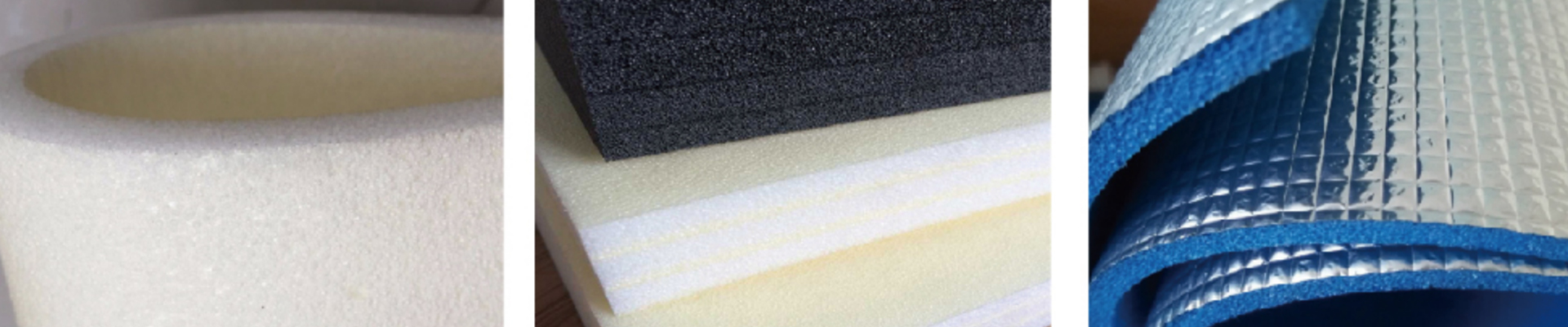
Understanding the core material properties of epe foam helps you set realistic expectations for your outdoor trips. EPE stands for Expanded Polyethylene. Manufacturers create it by applying heat and pressure to polyethylene resin. This process generates millions of tiny, sealed bubbles. These bubbles form what the industry calls a closed-cell structure. Each sealed bubble acts as an independent pocket of trapped air. This trapped air delivers the primary insulating power you rely on when sleeping on cold terrain.
The closed-cell barrier provides exceptional moisture and thermal properties. Because the bubbles remain entirely sealed, they block ground moisture from seeping upward. We call this a hydrophobic property. Water physically cannot penetrate the dense cellular walls. You can pitch your tent on damp grass or morning dew without waking up soaked. The foam simply repels the liquid.
Regarding thermal resistance, we evaluate gear using R-values. EPE generally provides a baseline R-value between 1.0 and 2.0. This metric means it adequately protects against cool ground during mild spring or autumn nights. It is not rated for extreme winter alpine use. Relying on it during freezing snow conditions remains a common mistake among novice campers. You should view it as a reliable barrier for two-season use rather than a heavy-duty winter survival tool.
Finally, you must consider the weight versus density trade-off. EPE boasts an ultra-lightweight profile. You can carry large sheets of it with almost zero physical exertion. However, this lightweight nature directly contrasts with its inherent bulkiness. The sealed bubbles do not compress significantly. You cannot squeeze it into a tiny stuff sack. It demands significant storage space in your vehicle or garage.

Mapping out different category comparisons helps guide realistic buyer expectations. When evaluating standard camping materials, you will encounter a few dominant options. Choosing the right one depends heavily on your budget, transport capacity, and required durability.
We often compare EPE directly against EVA (Ethylene-Vinyl Acetate). Both utilize closed-cell technologies, but their chemical formulations differ drastically. Cost remains the most striking difference. EPE is significantly more budget-friendly. You can often outfit an entire family tent for the price of one premium EVA pad. However, EVA dominates in durability. EVA offers higher tear resistance and much better memory. Memory refers to the material's ability to rebound after compression. EPE may permanently compress under heavy, pointed loads. If you place a heavy camping cot leg on it, the foam will likely retain a permanent dent. EVA generally bounces back to its original shape.
You should also weigh these foams against modern inflatable sleeping pads. Inflatables dominate the backpacking market due to their tiny packed size and high comfort. However, they carry a massive vulnerability. They can puncture or fail in the middle of the night. A single stray thorn can ruin your entire weekend. Closed-cell foams cannot pop. They offer superior, fail-proof reliability. You trade compact packed size for absolute peace of mind.
Feature | EPE Foam | EVA Foam | Inflatable Pads |
|---|---|---|---|
Cost | Very Low | Moderate to High | High to Very High |
Durability & Memory | Prone to permanent compression | High rebound memory | Vulnerable to punctures |
Reliability | Fail-proof (cannot pop) | Fail-proof (cannot pop) | Prone to sudden failure |
Portability | Highly bulky | Moderately bulky | Ultra-compact |
Best practices dictate keeping a cheap closed-cell pad as a backup in your vehicle. Even if you prefer an inflatable mattress for comfort, placing a lightweight foam layer underneath protects the delicate inflatable fabric from sharp rocks and sticks.
A massive trend within the outdoor community involves repurposing household items to solve camping problems. Evaluating alternative use cases reveals highly creative solutions. One of the most popular hacks utilizes an epe foam play mat. These are the familiar interlocking puzzle mats often found in children's playrooms or home gyms. Enterprising campers quickly realized these mats offer incredible utility in the wild.
The best implementation for this hack involves lining large, flat surface areas. We frequently see campers using interlocking tiles to cover the entire floor of a large family tent. They also work exceptionally well when lining the bed of a truck camper or the floor of a DIY campervan. This creates a wall-to-wall soft surface that transforms a rugged shelter into a comfortable living space.
We evaluate this hack across three critical dimensions:
Modularity: Interlocking tiles are incredibly easy to size to specific tent footprints. You simply snap them together until you reach the tent walls. If you encounter an odd corner, you can trim the excess material with a standard utility knife. This custom fit prevents the matting from sliding around during the night.
Safety and Compliance: Most puzzle mats undergo strict regulatory testing. They are non-toxic and perfectly safe for kids and pets inside enclosed tents. They do not emit harsh chemical off-gassing, which keeps your tent air quality clean and breathable.
Potential Risks: The design is not flawless. Interlocking seams can separate on uneven ground. If you pitch your tent over large roots or rocky divots, the puzzle joints may pop open under body weight. Additionally, dirt and sand easily get trapped between the joints. You will need to dismantle and wipe them down thoroughly after a muddy trip.
A common mistake involves using these tiles on highly uneven backcountry terrain. They perform best on relatively flat, pre-cleared campground pads or flat vehicle floors.
Selecting the right dimensions ensures you balance comfort with logistical reality. When shopping for an epe foam mat, thickness dictates both insulation power and transport difficulty. You must align the sizing with your specific travel style.
Follow this standard thickness guide to match your needs:
0.5 inch (1.2 cm): This profile serves minimalist summer camping. It provides a basic moisture barrier and prevents dirt from staining your sleeping bag. It offers negligible padding, meaning you will still feel the hard ground beneath you.
1 inch (2.5 cm): This represents standard car camping comfort. It offers adequate protection against spring and fall ground chill. You gain a noticeable cushioning effect without demanding an entire truck bed for storage.
1.5+ inches (3.8+ cm): This delivers maximum comfort. It often serves as a permanent RV bedding base or truck bed liner. However, it is highly rigid. Transporting material this thick in a standard sedan proves incredibly difficult.
You will often notice products featuring reflective backings. Manufacturers sometimes add an aluminum foil layer to one side. You might wonder if this actually improves radiant heat retention. The verdict shows it is marginally helpful. The foil reflects a small percentage of body heat back toward you. However, it requires the foil to face the camper. If you place the foil side down against the dirt, it does absolutely nothing to improve your warmth. Always ensure the shiny side faces your sleeping bag.
Portability solutions also vary widely. You must choose between roll-up and accordion-fold designs. Roll-up pads create awkward, bulky cylinders. They never lay perfectly flat once unrolled. The accordion-fold design is vastly superior for space-saving in vehicles. It packs into a neat rectangular block. You can easily stack gear on top of an accordion pad inside your trunk.
Transparently addressing the limitations of budget materials prevents frustrating field failures. While highly versatile, this material possesses distinct weaknesses under rugged conditions. You must adapt your usage habits to accommodate these traits.
The compression factor remains the most significant drawback. We must acknowledge that the material has a lower "compression set" resistance. It will flatten over time exactly where your hips and shoulders rest. Heavy pressure points crush the closed cells. Once crushed, they do not reinflate. If you camp frequently, you will notice permanent divots forming after a single busy season. You should rotate the pad periodically to distribute the wear and tear more evenly.
Wind and bulk present constant logistical headaches. These oversized mats essentially act as giant sails in high winds. If you attempt to carry one loosely across a windy ridgeline, it will aggressively catch the breeze. We acknowledge the extreme difficulty of strapping them securely to the outside of a small backpack. They easily snag on low-hanging branches and dense brush. They truly belong inside a vehicle or strapped tightly to a dedicated roof rack.
Environmental degradation ruins foam quickly. Ultraviolet (UV) exposure over long periods breaks down the chemical bonds. It causes the material to become brittle, faded, and prone to flaking. Do not leave your gear baking in the direct afternoon sun. We strongly advise storing mats inside the tent or tossing them back into your vehicle during the day. Protecting them from harsh sunlight extends their lifespan dramatically.
Our final assessment confirms that expanded polyethylene stands as a highly pragmatic, entry-level solution. It excels as a modular ground cover for specific, accessible camping styles. You will find it perfect for casual car camping, multi-day music festivals, and outfitting large family tents. It delivers unbeatable reliability against ground moisture and eliminates the risk of midnight deflation. While it lacks the extreme comfort and packability of premium inflatables, its budget-friendly nature makes it an essential tool for beginners and DIY vehicle builders.
Before making a purchase, take immediate action to assess your setup. Measure your exact tent floor space or camperbed dimensions. Next, honestly evaluate your vehicle storage capacity. Knowing your spatial limits helps you choose correctly between a bulky roll-up pad, an efficient accordion design, or a highly modular interlocking tile system. Proper planning guarantees you maximize your comfort without overwhelming your trunk space.
A: Yes, the closed-cell structure prevents water absorption entirely. Moisture cannot penetrate the sealed internal bubbles. This makes the material highly waterproof and incredibly easy to wipe down with a damp cloth after a muddy camping trip.
A: You can expect a realistic range typically between R-1.0 to R-2.0, heavily depending on the overall thickness. This rating emphasizes that the material is primarily designed for 2-season or mild 3-season use. It will not safely insulate you on frozen winter ground.
A: Yes, you can physically sleep directly on it without harm. However, pairing it with a thin sleeping bag or a soft blanket drastically increases comfort. The raw surface feels smooth and sometimes slightly slippery, which can cause sweat buildup against bare skin.
A: No, it is generally recognized as safe, non-toxic, and free of strong chemical off-gassing at normal ambient temperatures. However, it remains a petroleum-based plastic. You must always keep it away from direct open flames, campfires, or hot camp stoves to prevent melting.