
Views: 0 Author: Site Editor Publish Time: 2026-08-28 Origin: Site


Facility hygiene and equipment longevity remain critical components of successful martial arts business operations. Students expect a clean training environment every single day. Improper maintenance of textured surfaces leads directly to premature material degradation. It also creates dangerous slip hazards during intense sparring sessions. Facility liabilities multiply rapidly when you ignore daily hygiene standards. Outbreaks of ringworm or staph infections can permanently damage your dojo reputation. We must tackle these severe risks proactively.
A standardized maintenance Standard Operating Procedure (SOP) offers the ultimate defense against these operational hazards. Combining a strict cleaning SOP alongside the right material choice ensures peak safety. You guarantee consistency across your entire training floor. Facility owners secure a much higher Return on Investment (ROI) over the lifespan of their gear. In this guide, you will learn exact protocols to protect your investment. We will explore approved chemical solutions and highlight practical implementation strategies. These steps will elevate your facility standards immediately.
Traditional cleaning methods fail on textured martial arts mats; specialized SOPs are required to penetrate the tatami grain.
Improper chemical application (e.g., heavy bleach) accelerates the breakdown of PU and EVA foams, voiding warranties and reducing lifespan.
Facility liability (bacterial/fungal infections) is directly mitigated by daily moisture management and routine disinfection.
Upgrading to a Waterproof Karate Tatami Mat significantly reduces operational cleaning costs by preventing internal moisture absorption.
Neglecting daily floor care triggers a cascade of negative business consequences. Unclean mats create perfect breeding grounds for MRSA, staph, and ringworm. These dangerous pathogens thrive inside warm, damp environments. An outbreak poses severe reputational risks to a growing dojo. Financial liabilities often follow closely behind public health incidents. A single infection traced back to your facility hurts student retention instantly. Parents pull their children from programs over hygiene concerns. You must prioritize daily disinfection to protect your members and your brand.
Material degradation happens silently under the bare feet of your students. Sweat contains natural salts. Athletes track microscopic dirt onto the floor continually. These two elements mix together during every class. This harsh combination acts exactly like sandpaper. When students grind debris into a tatami karate mat, the textured grip wears down permanently. We see these neglected surfaces become dangerously slippery. Unsafe conditions lead directly to twisted ankles and blown knees. You cannot repair a bald, worn-out texture once friction destroys it.
Poor upkeep impacts your bottom line heavily. Premature replacement costs drain operating capital unnecessarily. Replacing a full 1,000 square foot system severely impacts facility profitability. Facility downtime during new installations also halts your revenue streams. Proper maintenance extends the active life of your foam systems by several years. You keep cash flowing into your business rather than spending it on avoidable replacements. Consistent care directly protects your operational budget.
Traditional vinyl or EVA textures challenge facility staff constantly. The specialized tatami grain gives martial artists excellent foot grip. However, this same intricate pattern traps skin cells, hair, and moisture easily. Smooth fitness floors wipe clean in minutes. Textured martial arts surfaces demand highly specific techniques to penetrate the deep grooves.
You must perform targeted daily maintenance immediately post-class. Follow these two mandatory steps:
Dry Sweeping: Grab a clean microfiber dust mop. Never use a harsh bristled broom. Stiff brooms scratch the soft protective surface over time. Microfiber pads statically grab loose dust and hair without causing friction damage.
Damp Mopping: Dedicate a specific flat mop exclusively for your training floor. Avoid traditional string mops entirely. String mops drop excess water directly into the texture grooves. A damp flat mop lifts remaining dirt while leaving minimal liquid behind.
Weekly deep cleaning ensures lasting hygiene and material protection. Implement this structured SOP every weekend:
Mix your pH-neutral cleaner in a dedicated, clean reservoir.
Apply the solution lightly using a controlled pump sprayer.
Scrub targeted high-traffic zones using soft-bristled deck brushes.
Lift embedded grime gently from the tatami pattern.
Wipe away all lifted dirt using fresh microfiber towels.
Activate air circulation protocols immediately after wiping.
Turn on industrial fans and facility dehumidifiers.
Ensure absolute zero residual moisture remains before Monday classes begin.
Failing to dry the floor completely causes immediate problems. Damp areas grow destructive mold rapidly. Proper air circulation keeps your athletes safe and your gear intact.
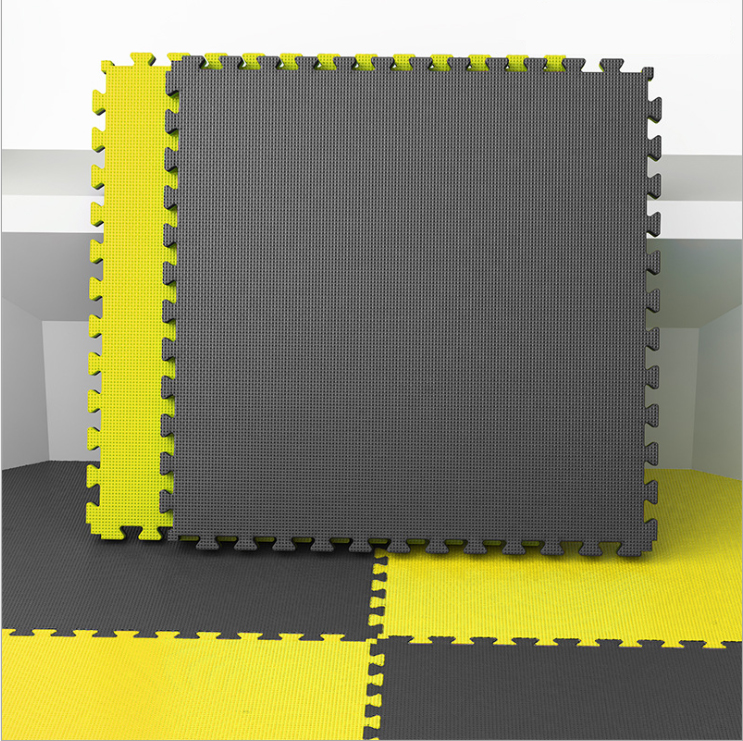
Chemical compatibility stands as a strict requirement for gym owners. Your chosen chemicals must kill dangerous pathogens effectively. They also cannot degrade delicate EVA foam structures. They must protect exterior PU vinyl covers completely. Harsh chemicals destroy these synthetic materials incredibly fast. You must read chemical labels before applying anything to your floor.
We highly recommend using specific approved solutions. Choose pH-neutral enzymatic cleaners for daily maintenance wiping. They break down organic matter like sweat safely. You should also utilize quaternary ammonium (quat) based disinfectants. Dilute them exactly to manufacturer specifications. Gym staff often assume stronger mixes equal better cleaning power. This assumption destroys expensive foam. Follow the exact dilution ratios provided on the bottle.
You must strictly avoid several common household chemicals. Undiluted bleach causes severe brittleness. It strips away color and leaves floors looking yellowed and old. Ammonia-based products release toxic fumes during active classes. They also break down material integrity over time. Petroleum-based solvents present the biggest danger. They physically melt and dissolve foam backing instantly upon contact.
Follow one critical application rule during every shift. Never pour liquid solutions directly onto the floor. Always apply chemicals via a flat mop pad or targeted spray nozzle. You maintain absolute control over total moisture volume this way. Excess pooling liquid degrades seams and ruins adhesive layers.
Approved vs. Prohibited Cleaning Agents
Agent Type | Usage Status | Material Impact |
|---|---|---|
pH-Neutral Enzymatic | Approved | Safe for EVA/PU covers. Breaks down organic sweat safely. |
Quaternary Ammonium (Quat) | Approved | Kills pathogens effectively without degrading structural foam. |
Undiluted Bleach | Strictly Avoid | Causes immediate brittleness, yellowing, and surface cracking. |
Ammonia-Based Products | Strictly Avoid | Emits dangerous fumes and breaks down vinyl integrity. |
Petroleum Solvents | Strictly Avoid | Melts foam instantly and destroys adhesive bonding layers. |
We must evaluate our core material choices carefully to optimize gym operations. Traditional open-cell materials act much like dense sponges. They absorb airborne humidity, sweat, and spilled mop water easily. Closed-cell EVA systems block liquids entirely at the surface level. Sealed PU systems offer similar protective barriers against deep liquid penetration.
Moisture resistance defines a truly safe training environment. A premium Waterproof Karate Tatami Mat features advanced closed-cell technology. It physically cannot absorb heavy sweat during a grappling seminar. It completely resists excess water dropped by an untrained cleaner. The internal foam core remains pristine and dry regardless of surface conditions. This technology eliminates internal rot.
High-traffic gyms require massive scalability to remain profitable. Waterproof designs allow much faster turnaround times between evening classes. They dry strictly on the outer surface layer. They never require long deep-core drying periods. You can confidently schedule back-to-back classes without risking student safety. Surface wiping takes minutes instead of hours. Your staff finishes closing duties faster every night.
Long-term ROI improves drastically when you block internal moisture. You face a significantly lower risk of hidden mold development. This translates directly to a much longer active lifespan. You experience far fewer replacement cycles over a ten-year business plan. Your operating budget stays protected for marketing or new equipment. Maintenance labor hours drop significantly as well. Staff members spend less time scrubbing and more time serving members.
Purchasing premium gear only represents the first step. Good products require smart facility rules to survive. You must protect your investment proactively through strict daily policies. Implementation dictates how long your equipment actually lasts in a real-world environment.
Implement a strict floor rotation schedule. Periodically rotate your high-traffic zones. The exact center of the sparring area always wears out the fastest. Swap these central pieces alongside lightly used edge pieces quarterly. This simple habit ensures even texture wear across your entire training space. It prevents you from replacing a few bald tiles while the rest look brand new.
Monitor your climate control closely throughout the changing seasons. Maintain indoor facility humidity strictly between 40% and 60%. Proper humidity prevents environmental condensation on cold surfaces overnight. Dry air stops dangerous bacteria growth dead in its tracks. Invest in a reliable digital hygrometer to track these levels daily.
Enforce rigid footwear policies without exception. Create a strict "no outdoor shoes" rule for the main floor. Allow "clean bare feet only" past the locker room boundary. You eliminate the introduction of street pathogens instantly. You also keep sharp rocks and glass debris completely outside. One small rock caught in a shoe tread tears expensive vinyl instantly.
Conduct regular staff training sessions focusing on cleaning protocols. Ensure all staff members know the exact chemical dilution ratios. Accidental chemical damage usually happens through improper late-night mixing. Educate your team thoroughly to avoid these costly mistakes. Print your SOPs and hang them directly inside the janitorial closet for quick reference.
Consistent, structured maintenance goes far beyond visual aesthetics in a martial arts dojo. It serves as your most critical risk management and asset protection strategy. Excellent hygiene keeps your loyal students safe from easily preventable infections. Proper techniques preserve your textured surfaces and maintain crucial foot grip. You secure a safer facility while protecting your bottom line simultaneously.
Take decisive action on your next steps today. Evaluate your current floor materials honestly. Does daily maintenance consume entirely too much expensive labor? Are older sections absorbing foul odors despite regular scrubbing? If you answer yes, it is time to upgrade your system.
Request a commercial-grade sample to test these easy-clean features yourself. Evaluate the surface grip and moisture resistance closely. Upgrading your facility protects your reputation and elevates the daily student experience.
A: Yes, provided the vacuum uses a dedicated hard-floor setting. You must turn the brush roll off completely before starting. This crucial step prevents the rapidly rotating bristles from scuffing or tearing the delicate tatami texture over time.
A: Use a targeted application of an EPA-registered hospital-grade disinfectant. Spray the affected area and let it sit undisturbed for the required dwell time. This usually takes two to five minutes. Wipe the area completely clean using a disposable paper towel.
A: Slippage is almost always caused by heavy chemical residue. Using too much concentrated cleaner leaves a dangerous, slick film behind. Rinsing the floor thoroughly using a flat mop and plain warm water usually resolves these common residue issues quickly.
A: While a waterproof surface will not harbor fungus internally, surface risks remain. You must still sanitize the outer layer daily. The waterproof nature simply ensures your disinfection process is highly effective because pathogens cannot hide inside the core foam.


