
Views: 0 Author: Site Editor Publish Time: 2026-08-28 Origin: Site


Repairing damaged hardwood, cracked ceramic tiles, or chipped concrete subfloors carries a massive financial burden. Property owners must take proactive steps to protect high-impact spaces before irreversible damage occurs. Unprotected floors in home gyms and lively playrooms face severe daily abrasion. They endure intense point-load stress from heavy equipment and blunt impact from dropped items. Furthermore, users risk severe joint fatigue and accidental falls when they play or train directly on rigid surfaces. You can easily solve these dual challenges by installing a high-quality eva foam floor mat. This specialized flooring functions as an incredibly cost-effective barrier. It actively absorbs sudden kinetic energy. It distributes downward weight evenly across a much broader footprint. By utilizing this protective layer, you effectively safeguard both the structural integrity of your facility and the physical wellbeing of everyday users.
EVA (Ethylene-Vinyl Acetate) foam utilizes a closed-cell structure to disperse downward force, preventing dents and scratches on hard subfloors.
Exercise areas require higher-density foam to support equipment weight, while play areas prioritize thickness and softness for fall protection.
While highly effective for bodyweight exercises, cardio machines, and playrooms, EVA foam has specific load limits compared to high-density vulcanized rubber.
Proper installation—including tight interlocking seams and appropriate thickness selection—dictates the actual lifespan and protective capability of the mat.
To understand floor protection, we must examine Ethylene-Vinyl Acetate at a microscopic level. The material relies entirely on a highly engineered closed-cell structure. Millions of microscopic air pockets form the core of the foam. When a heavy object strikes the surface, these tiny, sealed bubbles compress instantly. They absorb the initial shock of the kinetic energy. Immediately following the impact, the pockets rebound to their original shape. This rapid compression and expansion cycle creates an exceptional shock absorber. It stops the blunt force from transferring directly into your vulnerable subfloor.
Next, we must consider the physics of point-load distribution. Gym equipment frequently utilizes very narrow feet or casters. A heavy stationary bike or a motorized treadmill focuses its entire operational weight onto four small contact points. This sharp concentration generates massive pounds per square inch (PSI) on the floor below. Such immense pressure will easily gouge laminate floors or splinter delicate hardwood. A continuous eva foam floor mat completely alters this physical dynamic. It captures the concentrated load at the surface. It then spreads that intense weight outward across a significantly wider surface area. By drastically expanding the footprint, the mat reduces the overall PSI exerted on the underlying architecture.
Furthermore, abrasion and scuff resistance play a vital role in long-term floor defense. Athletic shoes, hard plastic toys, and shifting weights generate constant surface friction. Without a protective barrier, this abrasive force slowly grinds away clear coats and paint. The heavily textured top layer of the mat steps in to capture this friction directly. It acts as a sacrificial shield. It keeps the destructive sliding forces entirely isolated from your expensive hardwood or vinyl finish below.
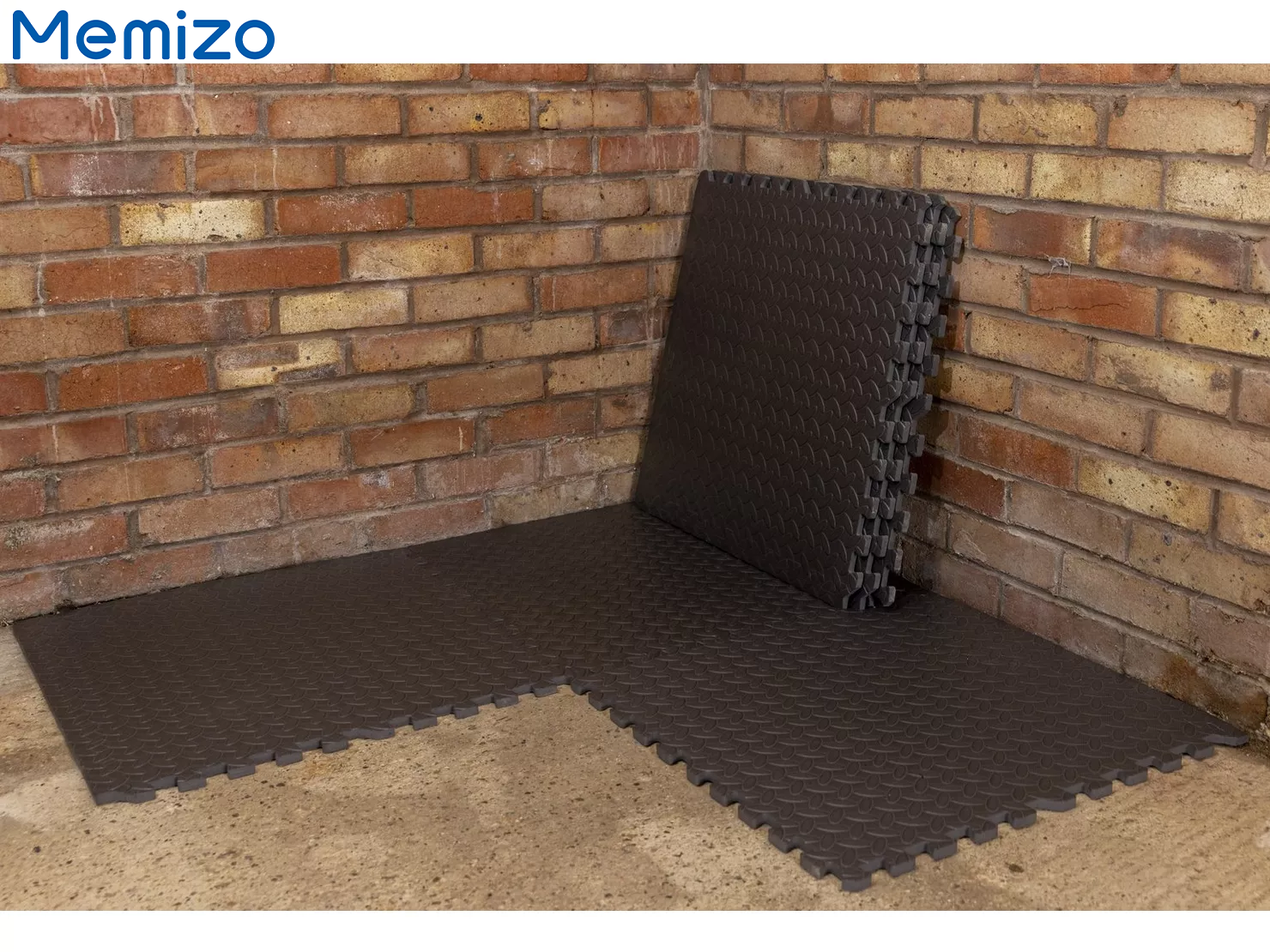
Different subfloors require specific defensive strategies. You must understand exactly how your baseline floor reacts to mechanical stress. Protective foam interacts uniquely with three of the most common residential and commercial foundation types.
Hardwood and Laminate Flooring: Natural wood fibers crush quite easily beneath heavy, concentrated loads. Your primary goal here involves preventing permanent dents and resisting deep surface scratches. The foam barrier physically blocks dropped items from gouging the protective polyurethane finish. Implementation Risk: You must ensure the wooden floor remains completely dry before you begin the installation. Trapped moisture beneath closed-cell materials causes severe problems. It can warp natural wood planks or permanently degrade the adhesive backing on laminate boards.
Ceramic and Porcelain Tile: Baked tiles possess excellent compressive strength, but they remain extremely brittle. A dropped dumbbell or a dense wooden block will easily shatter them upon impact. The foam actively cushions these sharp impacts to prevent cracking. Additionally, the mat bridges the uneven gaps resting over sunken grout lines. This bridging action creates a perfectly uniform, flat protective layer across the entire room.
Concrete Slabs: Concrete stands as an inherently durable foundation. It is nearly impossible to dent under normal household conditions. However, it presents other significant challenges. A protective mat provides essential thermal insulation against the freezing cold slab. It also resists ambient moisture rising up from basement foundations. While the concrete itself easily survives a dropped weight, heavy equipment sliding across raw floors will scrape away expensive epoxy sealants. The mat protects the user from cold hardness while simultaneously preserving both the exercise equipment and the concrete coating.
Gyms and play spaces demand entirely different flooring specifications. Selecting the wrong material density or thickness actively compromises room safety. You must align your material choices directly with the intended activity.
Home and Commercial Gyms
Intense fitness environments require exceptionally dense, stable grounding. You need firmness beneath your feet to maintain proper balance during heavy lifts. A high-density, textured Black EVA Floor Mat serves as the industry standard for home gyms. The dark color effectively hides scuff marks from athletic shoes over time. It visually grounds the aesthetic of the room. The aggressive textured surface also delivers crucial grip for dynamic, multi-directional movements like yoga, plyometrics, or high-intensity interval training.
Trust and Limitation Callout: We must remain highly transparent about material limits. EVA foam handles bodyweight exercises perfectly. It easily supports standard cardio machines and light dumbbell work. However, you should never drop heavy Olympic barbells onto it. Extreme impact from hundreds of pounds of raw steel requires incredibly thick, vulcanized rubber flooring instead. Foam simply cannot withstand repeated structural crushing from Olympic plates.
Children's Play Areas
Playrooms shift the priority completely away from firmness. Fall ratings and strict toxicity compliance become your primary focus. Toddlers trip and tumble frequently during active play. You need a significantly thicker mat to adequately cushion these sudden stumbles. We recommend thicknesses ranging from 3/4 inch to 1 full inch for dedicated play zones. This depth provides the necessary travel distance to absorb harsh head and knee impacts safely.
Furthermore, chemical safety remains an absolute non-negotiable factor. You must always look for specific safety certifications when evaluating play flooring.
BPA-free construction guidelines
Non-toxic material testing verification
Lead-free manufacturing guarantees
Low Volatile Organic Compounds (VOCs) emissions
These stringent certifications ensure the indoor air quality remains excellent. They keep the environment entirely safe for young children who crawl and play directly on the floor surface.
Property owners frequently confuse these two popular flooring options. However, they serve distinctly different functional purposes. Let us contrast them carefully across four major performance categories.
Weight and Installation Procedures: Commercial rubber rolls weigh a tremendous amount. Moving, unrolling, and cutting them requires specialized tools and significant physical effort. In stark contrast, interlocking foam tiles remain remarkably lightweight. You can easily lift them and trim them using a standard household utility knife. This accessibility makes installation a very simple, fast afternoon project for one person.
Odor and Chemical Off-Gassing: Vulcanized rubber typically emits a very strong, pungent chemical smell. You often must endure a prolonged off-gassing period before comfortably using the room. Foam tiles present a massive advantage in this area. They are generally completely odorless right out of the box. You can confidently use them indoors immediately after unpacking them.
Water and Sweat Resistance: Recycled rubber is porous by nature. It slowly traps sweat, spilled drinks, and harmful bacteria over time. Because EVA features a tightly sealed closed-cell structure, it actively repels all liquids. It will never absorb sweat. This characteristic makes it highly sanitary. You can quickly mop the surface clean immediately after an intense, sweaty workout routine.
Durability Thresholds: Rubber stands alone as the ultimate choice for extreme, specialized weightlifting facilities. It eagerly handles repetitive abuse from massive steel plates. Conversely, foam represents the highly versatile, easily accessible choice. It perfectly fits mixed-use fitness spaces, yoga studios, and residential playrooms where extreme weight drops rarely occur.
Feature Category | EVA Foam Flooring | Vulcanized Rubber Flooring |
|---|---|---|
Weight & Handling | Lightweight, easy to lift and cut | Extremely heavy, difficult to install |
Odor Levels | Odorless, zero off-gassing time | Strong initial odor, requires ventilation |
Moisture Resistance | Closed-cell, fully waterproof | Porous, can trap liquids over time |
Best Application | Playrooms, home gyms, yoga, cardio | Commercial gyms, heavy Olympic lifting |
Before finalizing your flooring purchase, you must evaluate three technical components. A quick, systematic checklist ensures you select the correct protective barrier for your specific subfloor.
Thickness Matrix Evaluation:
The correct thickness depends entirely on the room's daily traffic and primary usage. Follow this simple framework to match your operational needs:
3/8 inch: Best suited for light foot traffic, mild stretching areas, and general yoga practice.
1/2 inch to 5/8 inch: The standard baseline for general playrooms, basement living areas, and home fitness spaces.
3/4 inch to 1 inch: Absolutely essential for rigorous martial arts training, wrestling, and high-fall-risk toddler zones.
Interlocking Quality and Precision:
Do not underestimate the engineering of the puzzle edges. Tight-fitting seams remain highly critical for long-term floor protection. High-quality precision cuts lock the individual tiles firmly together. Poorly cut, loose seams allow spilled liquids to seep straight down to the delicate subfloor. Loose edges also separate easily during rapid lateral movements. This separation quickly creates severe, hidden tripping hazards.
Surface Texture and Slip Resistance:
Consider the primary footwear used in the space before choosing a texture. Smooth or "tatami" finishes work best for bare feet. Martial artists heavily prefer this flat finish to prevent painful toe snags during pivots. Conversely, diamond-plate or deep leaf-patterned textures provide heavy mechanical traction. These aggressive textures keep athletic shoes secure during explosive jumps. They also prevent heavy, stationary exercise equipment from creeping across the floor during vigorous use.
Ultimately, a foam mat does not protect floors by acting as an indestructible shield. It protects your valuable property by efficiently absorbing and aggressively dispersing damaging kinetic energy. By choosing the right material, you prevent costly repairs while greatly enhancing user comfort.
Take these actionable next steps to secure your space:
Measure the total square footage of your intended room accurately.
Add a strict 10% buffer to your final measurement to account for necessary cutting waste around walls and corners.
Evaluate your primary daily use case. Choose high-density textures for heavy equipment, or select thicker, softer mats for barefoot childhood play.
Thoroughly clean and dry your existing hard subfloor to prevent trapped moisture before you begin laying down the tiles.
A: No, provided the floor is perfectly clean and dry prior to installation. Moisture trapped beneath the closed cells poses the real threat, not the foam itself. The common myth of foam chemically reacting with floor finishes is usually a non-issue with high-quality materials. However, we always recommend checking your specific floor manufacturer warranties to ensure complete compliance.
A: Yes, you can place heavy equipment on them, but you should expect permanent indentation. Heavy point-loads will eventually compress the microscopic air pockets over time. We highly recommend placing hard plastic or solid wood coasters directly under heavy, stationary machine feet. This simple step distributes the immense load and protects the structural integrity of the foam.
A: Maintenance requires a very simple protocol. You should sweep the surface daily to remove abrasive dirt and debris. For deeper cleaning, use a damp mop mixed with a mild soap solution. Never use harsh bleach or highly acidic chemical cleaners. Thanks to its closed-cell water resistance, the material will not absorb liquids. Simply allow the surface to air dry completely.


