
Views: 0 Author: Site Editor Publish Time: 2025-10-23 Origin: Site


Daycares and play centres demand surfaces that combine safety, durability, and easy maintenance — all at scale. Shandong Memizo New Material Technology Co.,Ltd (NOAH GROUP) manufactures commercial-grade foam solutions built for those needs, and this article examines how an XPE foam play mat performs under the unique pressures of group childcare environments, offering practical procurement and on-site testing tips for facility managers and buyers.
Commercial settings subject floor coverings to continuous foot traffic, furniture movement, toy impact, and frequent cleaning cycles. Understanding how XPE behaves under these stresses helps decision-makers choose the right specification.
Compression resistance and rebound determine how well a mat keeps its shape and protective properties over months and years. For daycares:
Thickness recommendations: For heavy daily use, opt for 8–12 mm or thicker XPE constructions. Thinner mats (3–6 mm) work for light-use rooms but will show wear faster in energetic group settings.
Density and rebound: Higher-density XPE delivers better rebound after compression, reducing visible indentations from heavy furniture such as infant changing stations or shelving. Look for manufacturer density specifications and ask for test data showing percent compression after a defined load and recovery time.
Long-term deformation: Repeated child impacts and concentrated loads (e.g., shelving feet) will eventually create permanent set in lower-quality foam. For play centres, prioritize mats specified for commercial-grade resilience to minimize replacement cycles and lifecycle cost.
Practical note: When specifying, request technical sheets that include compression set, ILD-style firmness data, or equivalent mechanical testing so facility procurement can compare like-for-like.
Edges and seams are the most vulnerable parts in a daycare layout. Proper design reduces tripping hazards and prevents delamination.
Reinforced edges: Mats with thicker edge strips or heat-welded edge finishes resist peeling and maintain a flush joint between tiles or roll sections.
Seam methods: For roll or sheet installations, factory-fused seams or tight mechanical joins perform better than simple adhesive tape. Interlocking tile systems should have robust, precision-molded tongues and grooves to avoid separation under heavy use.
Anti-trip transitions: Consider tapered transition strips at doorways and between different flooring types to prevent accidents and reduce wear at edges.
When planning a layout, include a seam map to avoid placing seams under high-stress zones such as under rocking toys or near climbing equipment.
Maintaining a hygienic environment in a daycare is non-negotiable. Surface choice directly affects cleaning protocols, infection control, and staff workload.
XPE is inherently closed-cell and resistant to liquids, making it compatible with common commercial disinfectants and detergents. Recommended practices include:
Daily routine: Sweep or vacuum loose debris, then mop with a neutral pH cleaner appropriate for foam surfaces. This prevents dirt accumulation that accelerates surface abrasion.
Disinfection: Use EPA-registered disinfectants or locally approved solutions compatible with closed-cell foams. Avoid solvents or high-alkaline cleaners that can degrade surface finishes over time. Always follow manufacturer-cleaning compatibility lists and dilution instructions.
Spot cleaning: For spills, blot immediately and clean with a mild detergent; rinse residue and allow to air dry. For stubborn stains, follow manufacturer stain-removal guidance rather than resorting to abrasive scrubbing.
Frequency depends on traffic: high-use playrooms should be mopped and disinfected daily, with more intensive sanitizing after outbreaks or group illnesses.
One of XPE’s key advantages is its waterproof, closed-cell structure:
No water absorption: Closed-cell XPE resists liquid penetration, preventing moisture from seeping into the foam core where mold and bacteria can grow.
Rapid surface drying: Because liquids remain on the surface, routine cleaning and air-drying remove pathogens effectively, reducing long-term biological buildup.
Reduced hidden contamination: Unlike porous surfaces that trap soil and fluids, XPE surfaces are easier to inspect and verify as clean, which is vital in childcare licensing inspections.
These hygienic attributes translate into lower infection risk when combined with proper cleaning protocols, reducing downtime and parental concerns.
Daycares must comply with safety codes and minimize liability exposure. Choosing mats that meet recognized standards protects children and operators.
When specifying play mats, verify certificates relevant to childcare facilities:
Flammability: Check for compliance with applicable flame retardance standards (local/regional). Flame-resistance ratings vary by jurisdiction; ensure the mat meets regulatory requirements for childcare environments.
Phthalate and heavy metal testing: Look for lab reports showing compliance with limits for phthalates, lead, cadmium, and other restricted substances. Certifications such as EN71-3 or CPC testing may be required depending on market.
Slip resistance: Non-slip surfaces reduce fall risk. Request test results for static and dynamic coefficient of friction to ensure acceptable grip, particularly for active play areas.
VOC emissions: Low-VOC certifications or lab reports help meeting indoor air quality guidelines and reassure parents and staff.
Always request original lab reports from accredited third-party test labs and ensure they reference the specific product SKU you intend to buy, not a generic grade.
Product labeling and documentation simplify insurance and compliance:
Labeling: Ensure shipment and product labels clearly state fire rating, model number, material composition, and cleaning instructions. Clear labeling helps facility managers maintain records for inspections and claims.
Warranties: Request written warranties that specify the coverage period and what constitutes acceptable wear and failure. For commercial applications, a commercial-use warranty is preferable to a consumer-grade one.
Insurance review: Share product test reports with your insurer in advance if you plan to install mats in licensed child-care spaces. Some policies require proof of compliance to cover liability for installed equipment.
Documented due diligence reduces friction in licensing and insurance renewals.
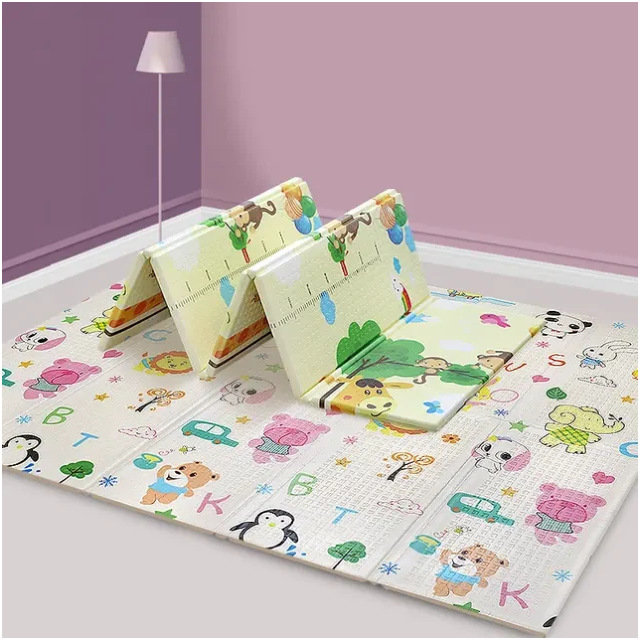
Procurement decisions should be risk-managed with trials and clear commercial terms.
Before committing to bulk orders, run controlled on-site trials:
Order representative samples: Request full-size tiles or a roll segment rather than small swatches to evaluate installation, seams, and real-use performance.
Simulated use period: Place test samples in a high-traffic area for two to four weeks. Observe compression, surface scuffing, cleaning routine compatibility, and any odour or VOC concerns.
Staff feedback: Have caregivers evaluate slip resistance, comfort during floor-level activities, and ease of cleaning. Their practical input is a strong predictor of long-term satisfaction.
Child behavior observation: Monitor how children interact with the surface — does it encourage safe play, or are there areas where trip hazards emerge?
Record findings and communicate them to suppliers when negotiating commercial terms.
Commercial buyers must balance cost and supply reliability:
Volume tiers: Suppliers typically offer stepped discounts for larger orders. Get a clear breakdown of price per square meter at multiple quantity bands to inform budgeting.
Lead times: For custom-printed or colored XPE mats, lead times can extend depending on factory schedules and shipping. Ask for confirmed production lead times and buffer for shipping delays.
MOQ and pallets: Verify minimum order quantities and palletization plans; efficient pallet handling reduces onsite labor and potential damage.
Stocking options: If your center operates multiple locations, discuss staggered delivery or warehousing options to manage installation windows and cash flow.
Negotiate terms that match your rollout schedule, whether a single facility purchase or chainwide deployment.
A concise checklist streamlines decision-making:
Confirm commercial-grade density and thickness for heavy use.
Obtain third-party test reports for flammability, toxic substances, slip resistance, and VOCs.
Order full-size samples and run a minimum two-week on-site trial.
Review cleaning compatibility with your disinfectants and janitorial procedures.
Request commercial warranty and documented claims process.
Compare volume pricing, lead time, and shipping/installation options.
Verify edge and seam details for long-term durability.
This checklist helps procurement teams minimize surprises during installation and early service life.
Correct installation and regular maintenance extend mat life and protect investment.
Subfloor preparation: Ensure the subfloor is clean, dry, and level. Irregularities can accelerate wear or create trip hazards.
Professional installation vs. DIY: For large roll installations or permanent setups, professional installers deliver consistent seams and transitions. Interlocking tiles may be appropriate for modular needs and easier replacement.
Routine inspections: Schedule weekly visual inspections of seams and edges, and address minor damage promptly before it worsens.
Replacement strategy: Plan phased replacement rather than wholesale changeouts to manage budgets and minimize disruption.
A proactive maintenance regime reduces lifecycle costs and preserves safety.
For busy daycares and play centres seeking a balance of safety, hygiene, and durability, an XPE solution from Shandong Memizo New Material Technology Co.,Ltd (NOAH GROUP) presents a compelling option. With proper specification, testing, and installation, a commercial play mat system delivers long-term value while supporting regulatory and cleaning needs. If you manage a childcare facility or are responsible for procurement, contact us to request a commercial quote, sample trial, or a case study from our installations — contact us to discuss tailored solutions for your centre.

