
Views: 0 Author: Site Editor Publish Time: 2026-02-16 Origin: Site


As the world becomes increasingly focused on sustainability and reducing environmental impact, materials like EPE foam (Expanded Polyethylene Foam) are coming under scrutiny for their long-term effects on the planet. EPE foam is widely used in a range of industries, from packaging to consumer products, such as baby mats, pet bedding, and protective materials. However, as with many synthetic materials, one key question arises: Is EPE foam biodegradable?
In this article, we will examine the biodegradability of EPE foam, discussing its chemical composition, environmental behavior, and its role in the broader sustainability conversation. By exploring EPE foam’s environmental impact, we will provide a comprehensive understanding of its sustainability, the challenges it presents, and potential solutions moving forward.
EPE foam is a type of polyethylene foam known for its lightweight, flexible, and durable characteristics. Produced through the expansion of polyethylene plastic, EPE foam is created by heating the material and introducing a gas, which causes the polyethylene to expand into small, closed-cell bubbles. These bubbles are encapsulated in a tight, sealed structure, which makes EPE foam resistant to moisture and provides it with its cushioning properties.
One of the most notable features of EPE foam is its ability to absorb shock and provide protection without adding significant weight. This makes it an ideal choice for applications in packaging, sports equipment, and baby products. Its closed-cell structure allows it to offer protection from impacts, water, and other environmental factors, making it highly versatile and widely used.
The production of EPE foam is energy-efficient compared to many other foams, and it can be tailored to suit various needs, including specific densities, thicknesses, and surface textures. Its versatility in both form and function has made it an indispensable material across a variety of industries, especially where protection, insulation, and light weight are paramount.
Before addressing the biodegradability of EPE foam, it’s important to understand what biodegradability means in the context of materials. Biodegradable materials break down naturally in the environment through microbial activity, heat, water, and air. They decompose into natural substances like carbon dioxide, water, and organic matter, making them part of the natural recycling process.
Materials that are non-biodegradable, on the other hand, do not decompose naturally in the environment. These materials may persist in ecosystems for a long time, contributing to pollution and environmental harm. Non-biodegradable materials often require human intervention to break them down or recycle them, and if not properly managed, they can accumulate in landfills or waterways.
Biodegradability is a crucial factor in determining how a material impacts the environment, especially regarding long-term waste accumulation, pollution, and the strain on landfills. This is particularly important as the world continues to grapple with plastic waste and the consequences of using non-biodegradable materials.
While EPE foam is highly durable and versatile, it is not biodegradable in the traditional sense. The closed-cell structure that makes EPE foam so durable and protective also makes it resistant to natural decomposition processes. Unlike organic materials like wood, paper, or food scraps that break down relatively quickly when exposed to the elements, EPE foam remains intact for extended periods.
The chemical structure of EPE foam prevents it from undergoing the typical microbial breakdown process that biodegradable materials experience. While the foam may fragment or degrade under extreme conditions such as exposure to ultraviolet (UV) light or harsh temperatures, this process does not result in complete biodegradation. Instead, EPE foam can break into smaller pieces, contributing to microplastic pollution.
Microplastics are tiny particles of plastic that do not degrade easily in the environment and can accumulate in oceans, rivers, and soil, posing a significant threat to wildlife and ecosystems. This is one of the main concerns with EPE foam: its long lifespan and potential to fragment into microplastics over time.
Although EPE foam is not biodegradable, its environmental impact is generally considered to be lower compared to other forms of plastic foam, such as Styrofoam (expanded polystyrene foam). Unlike Styrofoam, which contains toxic chemicals like BPA and CFCs, EPE foam is non-toxic and does not release harmful substances into the environment when it is exposed to natural elements.
However, this does not mean EPE foam is without environmental concerns. In landfills, EPE foam takes a long time to break down and can accumulate as waste over the years. The closed-cell structure of the foam makes it resistant to both microbial degradation and physical breakdown, meaning that it can persist in the environment for decades.
Moreover, EPE foam is often used as a single-use material for packaging, which contributes to the growing problem of plastic waste in landfills. While the foam itself is not hazardous in the same way that some other plastics are, its persistence in the environment and its inability to biodegrade means it can contribute to long-term waste problems.
Environmental Impact of EPE Foam | Description |
Biodegradability | EPE foam is not biodegradable and can persist in the environment for a long time without breaking down into natural substances. |
Recyclability | EPE foam is recyclable, and its materials can be reused for new products, which helps reduce overall waste. |
Non-Toxicity | EPE foam does not release harmful chemicals, making it safer than other plastic foams. |
Waste Accumulation | If not properly recycled, EPE foam can accumulate in landfills, contributing to long-term waste problems. |
While EPE foam does not present an immediate environmental threat in terms of toxicity, its persistence and potential to fragment into microplastics remain a challenge. Efforts to recycle and properly dispose of EPE foam are key in reducing its environmental impact.
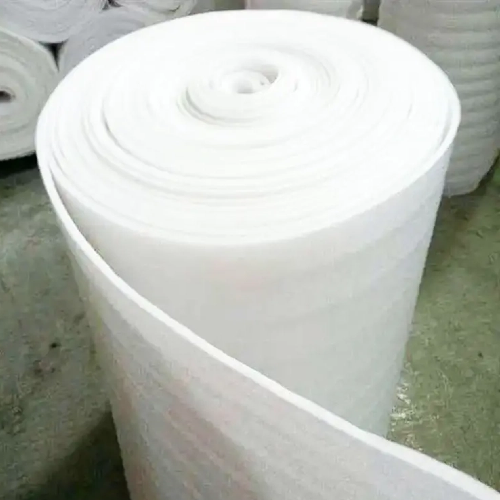
One of the most promising ways to mitigate the environmental impact of EPE foam is by improving its recycling rates. EPE foam is recyclable, but recycling facilities for foam materials are not as widespread as those for other plastics. This is partly due to the challenges involved in collecting, processing, and cleaning foam materials, as well as the costs associated with foam recycling.
To address this, increased infrastructure for foam recycling is essential. More recycling centers should be equipped to accept EPE foam, and businesses and consumers need to be educated on proper disposal and recycling practices. Innovative technologies that make recycling more efficient can also help ensure that EPE foam is reused, rather than contributing to waste.
Researchers are continually exploring alternatives to traditional EPE foam that are more biodegradable. Plant-based foams made from natural polymers, such as cornstarch or seaweed, are some of the most promising alternatives. These materials break down much more quickly than EPE foam and do not persist in the environment for long periods.
Additionally, advancements in bioplastics and sustainable packaging materials may offer viable solutions to reduce the use of non-biodegradable foams like EPE foam. As demand for eco-friendly products continues to rise, these alternatives may become more widely available and reduce the reliance on non-biodegradable materials.
The future of EPE foam is likely to be shaped by continued innovations in materials science and sustainability. Many companies and researchers are actively working on improving the biodegradability of foam materials or creating more sustainable alternatives. These innovations could make EPE foam more environmentally friendly, reducing its overall impact while retaining the functional benefits that make it a popular choice for packaging and protection.
In the near future, we may see advancements in the recycling infrastructure and biodegradable foam options that help reduce the long-term environmental consequences of EPE foam. As the demand for eco-friendly materials grows, it is likely that the foam industry will evolve to meet these needs, leading to a more sustainable future for materials like EPE foam.
EPE foam is a widely used, durable, and versatile material found in packaging, consumer products, and protective applications. While it is not biodegradable in the traditional sense, EPE foam's non-toxic properties, low environmental impact, and recyclability make it a safer alternative to other foams, such as Styrofoam. However, its long-lasting durability means it can contribute to waste if not properly recycled.
At Shandong Memizo New Material Technology Co., Ltd. (NOAH GROUP), we are committed to providing high-quality EPE foam products that not only meet the demands of various industries but also promote sustainability. Our innovative solutions focus on improving the recyclability of EPE foam, ensuring it can be reused and repurposed effectively. As the demand for eco-friendly materials continues to grow, we are actively exploring ways to develop more sustainable alternatives to traditional foam materials.
If you are looking for reliable, eco-conscious EPE foam solutions, we invite you to get in touch with us. Our team at NOAH GROUP is ready to offer tailored solutions that align with your sustainability goals and product requirements. Let’s work together to create a cleaner, greener future through responsible material choices.
Q1: Is EPE foam biodegradable?
No, EPE foam is not biodegradable in the traditional sense. It can take a long time to break down in the environment and does not decompose into natural substances.
Q2: Can EPE foam be recycled?
Yes, EPE foam is recyclable and can be processed into new products, helping reduce overall waste.
Q3: How does EPE foam impact the environment?
EPE foam is not biodegradable and can accumulate in landfills if not properly disposed of. However, it is non-toxic and does not leach harmful chemicals into the environment.
Q4: Are there alternatives to EPE foam that are biodegradable?
Yes, researchers are developing biodegradable alternatives such as plant-based foams, which break down more easily in the environment.
Q5: How can we reduce the environmental impact of EPE foam?
The environmental impact of EPE foam can be reduced by improving recycling rates, developing biodegradable alternatives, and increasing awareness about proper disposal practices.


