
Views: 0 Author: Site Editor Publish Time: 2025-10-27 Origin: Site


Are you concerned about your pet's safety and freedom? Installing a pet fence is a simple solution to keep your pet secure while allowing them to explore. A pet fence provides a safe and controlled environment, whether you're managing an energetic dog or a curious kitten.In this article, we will explore the importance of pet fences, different types available, and the installation process. You'll learn everything you need to ensure your pet's safety and comfort with a reliable pet fence.
Every pet has unique requirements. The size, breed, and energy levels of your pet should influence the type of fence you choose. Larger or more active pets may need taller or more secure fences, while smaller or calmer pets might be fine with a less robust option.
It’s important to assess your pet's behavior, as certain breeds have specific traits that could impact their interaction with a fence. For instance, some pets are known for their jumping abilities or their ability to squeeze through narrow spaces. Therefore, it’s vital to ensure the chosen fence type is suitable for these behaviors.
Size: Ensure the fence is tall enough to contain your pet. A dog that jumps or climbs may need a higher fence or one with reinforced panels, while smaller pets may only need a shorter barrier.
Breed and Behavior: Some pets are more prone to digging or escaping. If your pet has a tendency to dig under fences, a solution with buried edges or additional reinforcement at the bottom might be necessary. Similarly, for pets that jump high, look for a fence that’s tall enough to prevent escapes.
Pet fences come in different price ranges, from budget-friendly options to premium solutions. The cost will depend on factors such as the material, the size of the area to be fenced, and the complexity of the fence. Typically, higher-quality materials and customizable options may come with higher upfront costs.
Material Costs: Wooden and metal fences tend to be more expensive due to the materials used, but they provide durability and security. Modular panels and playpens are often cheaper and easier to install.
Additional Features: Retractable fences and other specialized options may include technology, such as remote controls, automatic retraction, or built-in safety features, which add to the cost but can improve usability.
Selecting the right location for your pet fence is essential for both safety and convenience. The area should be spacious enough for your pet to move freely but still secure from any external threats.
Space Considerations: Ensure the space is level and clear of any obstacles that could interfere with the fence's stability. It’s also important that the space is free of anything that could harm your pet or distract them while they’re within the fence.
Traffic Flow: Consider where people move most frequently. Placing the fence in a quieter corner allows your pet to feel secure without being constantly disturbed. If the area is too noisy or busy, your pet might feel anxious, which could lead to unwanted behaviors.
| Feature | Modular or Panel Fences | Retractable Pet Fences | Playpens and Portable Fencing |
|---|---|---|---|
| Security | High (sturdy and secure) | Medium (best for light use) | Medium (depends on setup) |
| Durability | High (wood/metal) | Medium (mechanical wear) | Low to Medium (depends on material) |
| Portability | Low (fixed setup) | High (easy to move) | High (easy to move) |
| Installation Ease | Medium (requires tools) | High (simple setup) | High (easy to set up and take down) |
| Space Requirement | Medium to High | Low (space-saving) | High (spacious for pets) |
Modular or panel fences are a versatile option that offers durability and flexibility. These fences are designed to be adjustable in size and shape, making them suitable for a variety of indoor or outdoor spaces. They are commonly made from materials like metal, wood, or plastic, providing different levels of security based on the material chosen.
Pros:
Versatility: These fences can be adjusted or expanded as needed, which makes them ideal for changing spaces.
Durability: Metal and wooden panels are highly durable, ensuring long-term use without needing constant repairs.
Security: These fences provide a solid barrier for most pets, preventing escapes and ensuring they stay within the designated area.
Easy to Set Up: Modular fences are generally easy to assemble and disassemble, allowing you to adjust the layout when necessary.
Retractable pet fences are designed for compact spaces and easy setup. They are ideal for temporary use or when you need to contain your pet within a small area. These fences are usually installed in a roll-up style and can be extended as needed. The retractable feature makes them portable and easy to store when not in use.
Pros:
Space-saving: Ideal for smaller spaces as they can be retracted when not needed.
Portable: Retractable fences are easy to install and remove, making them a good option for those who move frequently or need temporary containment.
Simple Installation: They are quick and easy to set up, with fewer components compared to traditional fencing.
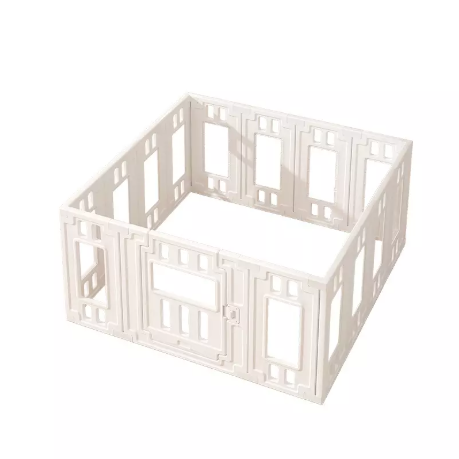
Playpens and portable fences are great for providing a safe area for your pet to explore. These options are especially useful for indoor spaces or when you need to move the fence frequently. They come in various sizes and materials, making them suitable for different pets and living arrangements.
Pros:
Flexible Setup: Playpens are easy to set up and take down, allowing you to move the fence to different locations depending on your needs.
Larger Space: These fences offer ample room for your pet to move around, making them ideal for both playing and resting.
Portable: Can be moved around easily, making them perfect for temporary or changing setups.
Before installing a pet fence, measuring the space accurately is crucial. This ensures that you purchase the correct amount of materials and that the fence will fit your space. Consider the area where your pet will spend most of their time and measure it carefully to ensure it’s suitable for both their needs and the fence.
Tools Needed: You will need a tape measure, marking tools, post hole digger (if necessary), and stakes to mark the fence boundaries.
Space Calculation: Make sure the area is clear of obstacles and that your pet will have sufficient space to move, play, and rest comfortably within the boundaries of the fence.
Setting up a modular fence involves securing the panels into place. Begin by placing the panels in the desired location and connecting them with stakes or brackets.
Steps:
Mark the locations for the fence posts and make sure they’re spaced evenly.
Dig holes for the posts, ensuring that the holes are deep enough to secure the panels firmly.
Attach the panels to the posts securely using brackets or fasteners.
Check for stability by gently shaking the panels to make sure they’re firmly anchored and will not topple over.
Setting up retractable fences or playpens is a much simpler process, typically involving the mounting of retractable gates or the positioning of freestanding panels.
Steps:
For retractable fences, mount the unit in the desired location and ensure that the retractable portion is extended properly across the area.
For playpens, unfold the panels and connect them securely using the provided clips or hooks. Make sure the panels are tightly connected to prevent any gaps where pets could escape.
Ensure the fence is tall enough to prevent pets from jumping or climbing. For pets prone to digging, consider adding a mesh at the bottom to prevent escape. Make sure the fence is firmly anchored to the ground.
Stability: Check all panels or posts for stability by gently shaking them to ensure they’re securely anchored in the ground.
Although indoor pet fences aren't exposed to the elements, maintenance is still essential for ensuring long-term durability. Regular cleaning and inspection are necessary to maintain the fence’s structural integrity and prevent wear and tear.
Cleaning: Wipe down the fence regularly to remove dirt, pet hair, and other debris. A damp cloth with mild soap works well for cleaning most materials.
Inspection: Look for loose panels, cracks, or weak spots, especially after heavy use. Fix any issues immediately to avoid safety hazards.
When introducing your pet to their new fenced area, take it slow. Begin with short periods of confinement, gradually increasing the time as they get used to the boundary.
Positive Reinforcement: Use treats and praise to encourage your pet to stay within the fenced area, making it a positive experience.
If your pet is trying to escape or push through the fence, observe their behavior to determine the cause. It could be anxiety, curiosity, or a need for more stimulation.
Solutions: Reinforce boundaries with additional training, more frequent play sessions, and by adjusting the fence height or configuration if necessary.
Installing a pet fence is a valuable investment in your pet's safety and well-being. By understanding your pet’s needs, selecting the right fence type, and following a clear installation process, you can create a secure environment for your pet to explore and play. For those seeking high-quality pet fencing solutions, Shandong Memizo New Material Technology Co.,Ltd (NOAH GROUP) offers a range of products designed for durability and security. Their pet fence ensures a safe and flexible space for pets to thrive.
A: A pet fence is a barrier that secures a space for pets, preventing them from escaping or wandering.
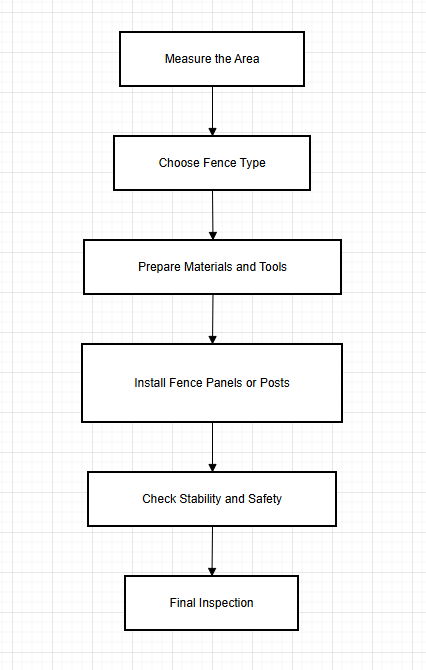
A: Measure the area, select the right fence type, and securely install the panels or posts.
A: Common types include modular panels, retractable fences, and playpens, each with unique benefits.
A: Pet fence prices range from $50 to $500 depending on the material and size.
A: It ensures pets stay safe and secure within a designated area.


