Views: 0 Author: Site Editor Publish Time: 2026-03-16 Origin: Site


The modern play mat is more than a cushioned surface. It's a foundational piece of a child's developmental environment. For parents navigating the options, the choice between foldable and roll-up styles presents a critical decision that impacts safety, convenience, and home aesthetics. This decision often feels complex, with both formats offering compelling benefits. This guide moves beyond surface-level features to analyze the core usability trade-offs between the two dominant XPE foam mat formats. We will provide a clear decision framework to help you determine whether a foldable or roll-up XPE play mat best aligns with your family's specific lifestyle, space constraints, and long-term value expectations, ensuring you make a choice that serves you well into 2026 and beyond.
For Portability & Multi-Use Spaces: The foldable XPE play mat is the superior choice. Its accordion-style design allows for rapid deployment and compact storage, making it ideal for apartments, living rooms, and travel.
For Dedicated Playrooms: The roll-up play mat excels. It offers a seamless, crevice-free surface that integrates cleanly into a room's design and simplifies cleaning for a more permanent installation.
Primary Trade-Off: The core decision hinges on convenience-of-storage (foldable) versus a seamless, integrated surface (roll-up).
Market Trend: The 2026 market reflects a demand for hyper-specialized solutions. Consumers are moving away from a one-size-fits-all approach and selecting mats based on precise use cases—portability vs. permanence.
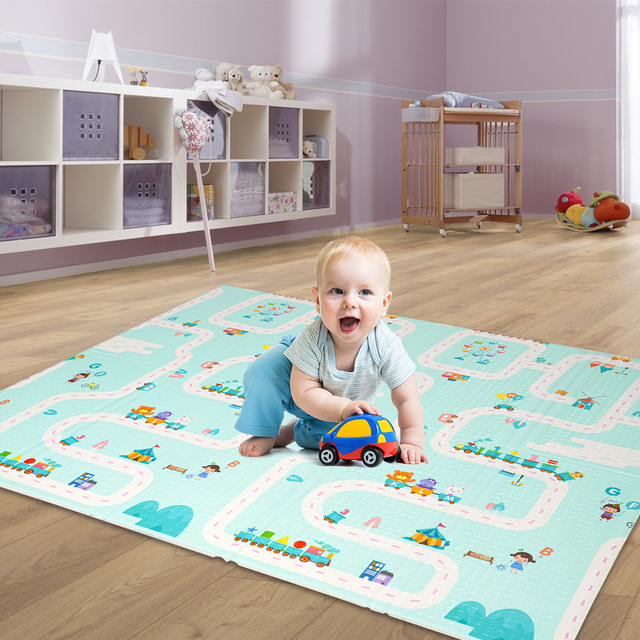
The play mat has evolved significantly. It has shifted from a "nice-to-have" accessory to an essential piece of developmental gear. Parents now recognize its role in providing a safe space for tummy time, crawling, and those inevitable tumbles. As we look toward 2026, the criteria for a successful play mat have become more rigorous. Consumers demand products that deliver on multiple fronts, blending seamlessly into their lives. To make an informed choice, we must evaluate any modern portable baby mat against four core pillars.
This is the non-negotiable foundation. The mat must be made from non-toxic, baby-safe materials. XPE (cross-linked polyethylene) foam is the industry standard for good reason. It is free from BPA, phthalates, lead, and other harmful substances. Beyond material composition, safety includes sufficient thickness—typically 1 to 2 centimeters—to absorb impact and cushion falls effectively. A quality mat protects a child's head and joints on hard flooring like wood or tile.
A mat that is difficult to use or clean quickly becomes a burden. Practicality is measured by several factors:
Ease of Cleaning: The surface should be waterproof and non-porous. This allows for quick wipe-downs of spills and messes.
Storage Footprint: How much space does the mat occupy when not in use? This is a critical factor for families in smaller homes.
Deployment Speed: How quickly can you set up and put away the mat? Busy parents value efficiency.
A play mat is an investment intended to last through several developmental stages. Durability means it resists the daily wear and tear of active play. Look for a surface that doesn't easily tear, peel, or puncture from toys or pet claws. The foam core should also resist compression, maintaining its cushioning properties over years of use. Longevity ensures the mat remains a safe and functional part of your home from infancy through the toddler years.
True value extends beyond the initial purchase price. Lifecycle value considers the mat's versatility over time. Can it transition from a tummy-time surface to a toddler play area? Can it be repurposed for other activities like yoga, exercise, or as a comfortable floor covering for family movie nights? A mat with high lifecycle value adapts to your family's changing needs, delivering utility long after the crawling stage is over.
Understanding the fundamental design of each mat type reveals why they excel in different environments. It's not just about how they look, but how their construction directly influences daily use.
The foldable XPE play mat is a masterclass in practical engineering. Its design is defined by its pre-creased, accordion-style folding mechanism.
Design: The mat is constructed from a continuous piece of XPE foam that is strategically scored to fold into a compact rectangle. These creases are not weaknesses but engineered hinges.
Key Outcome: This design delivers unmatched portability and storage efficiency. When folded, it easily fits into a closet, the trunk of a car, or behind a sofa. It transforms a living room into a play area in seconds and back again just as quickly.
Implementation Reality: The creases that enable its portability can trap small crumbs or dust. However, they also act as a perfect guide for a clean, consistent fold every time. Many find the creases easy to clean with a quick vacuum attachment. Foldable mats are often slightly thicker due to their layered folded structure, providing excellent cushioning.
The roll-up mat prioritizes a seamless surface and a more permanent aesthetic. It appeals to those looking for a floor covering that feels integrated into the room.
Design: It is a single, continuous sheet of XPE foam with no folds or seams. It is designed to be unrolled and left in place for extended periods.
Key Outcome: The primary benefit is a completely smooth, crevice-free surface. This creates a clean, wall-to-wall flooring look and eliminates any hiding spots for dirt and grime, making wipe-downs incredibly efficient.
Implementation Reality: Storage is its main challenge. When not in use, it forms a bulky cylinder that requires dedicated space in a closet or corner. New roll-up mats may also have curled edges that need time (or some heavy books) to settle and lie flat. On the plus side, this design can often be cut to a custom size to perfectly fit an oddly shaped room or alcove.
When choosing between a foldable and a roll up play mat, the best choice emerges from comparing them across key usability dimensions. Your family's priorities will determine which mat's strengths align with your needs.
| Feature | Foldable XPE Play Mat | Roll-up Play Mat |
|---|---|---|
| Portability | Winner. Lightweight, compact rectangle. Ideal for travel and moving between rooms. | Heavy and bulky when rolled. Best for stationary use. |
| Storage | Winner. Stores vertically or horizontally in small spaces like closets or under beds. | Requires a large, dedicated space for its cylindrical shape. |
| Cleaning | Easy to wipe the surface. Creases need occasional vacuuming. | Winner. Completely seamless surface allows for the fastest, most thorough cleaning. |
| Aesthetics | Often reversible with two designs. Clearly defines a temporary play zone. | Winner. Blends into decor like a rug. Offers a clean, integrated look. |
This is where the foldable mat truly shines. Its ability to condense into a neat, manageable rectangle makes it the undisputed winner for anyone with space constraints or a need for portability. You can take it to a friend's house, the park, or simply tuck it away to reclaim your living room. The roll-up mat, by contrast, is cumbersome. Its large, cylindrical form is difficult to transport and requires significant storage space, making it a poor choice for families on the go.
For parents whose primary concern is eliminating every last crumb and speck of dust, the roll-up mat has a clear advantage. Its seamless surface has no crevices where grime can accumulate. A single wipe is all it takes to clean the entire area. While the foldable mat's surface is equally easy to wipe, its creases are a natural collection point for debris. This requires an extra step—like using a handheld vacuum or a soft brush—for a deep clean. For most, this is a minor inconvenience, but for others, the pristine surface of a roll-up is a deciding factor.
Both mat types are durable, but they show wear differently. The creases on a foldable mat are engineered for constant flexing. Over years of heavy use, these folds are the most likely points to show wear. However, a high-quality mat will have reinforced creases to mitigate this. A roll-up mat distributes wear across its entire surface. Its most vulnerable points are the edges and corners, which can be prone to curling over time or damage from pets. Heavy toys dropped on the surface can also cause indentations on either type.
The aesthetic choice depends on your goal. A foldable mat clearly designates a "play zone." Many are reversible, offering two different patterns to change up the room's look or distinguish between play and quiet time. When folded away, it leaves no trace. A roll-up mat aims for the opposite effect. It integrates into the room's decor, much like an area rug. This is ideal for dedicated playrooms where the mat becomes a semi-permanent piece of the flooring, offering a cohesive and polished look.
Smart purchasing decisions go beyond the sticker price. To understand the true value of a play mat, you must consider its Total Cost of Ownership (TCO) and Return on Investment (ROI) based on your specific use case. This means evaluating its long-term utility against its initial cost.
A cheaper mat that peels or flattens after six months is far more expensive than a premium mat that lasts for years. The density of the XPE foam and the durability of the surface coating directly impact replacement frequency. Investing in a well-made mat from a reputable brand minimizes the need for future purchases, lowering the overall TCO. Look for mats with a thick, protective film that resists scratches and is easy to clean, as this preserves the mat's integrity and appearance over time.
The mat's versatility is a key driver of its ROI. The more functions it can serve, the more value you get from your investment.
Foldable Mats: These are versatility champions. Their portability allows them to double as a comfortable surface for outdoor picnics, a travel bed for toddlers at a hotel, or an exercise mat for parents. Each additional use lowers the effective "cost-per-use."
Roll-up Mats: Their value comes from providing consistent, semi-permanent floor protection. In a dedicated playroom, a roll-up mat can save the underlying carpet or hardwood from spills, dents, and scratches, preventing costly repairs down the line. It becomes part of the room's infrastructure.
Current XPE foam flooring trends show a growing number of families using large roll-up mats as a primary flooring solution in nurseries and playrooms due to their safety and ease of cleaning.
Finally, consider the "adoption risk"—the potential frustration of choosing the wrong format for your lifestyle. Buying a large, bulky roll-up mat for a small apartment will likely lead to regret as you constantly struggle with where to store it. Conversely, if you have a huge, dedicated playroom, dealing with the creases of a foldable mat might feel unnecessary when a seamless option is available. Matching the mat's core function to your environment is crucial for long-term satisfaction.
The best play mat is not universally superior; it is the one that best fits your specific context. Use this simple decision framework to identify the right choice for your family.
Recommendation: Foldable XPE Play Mat.
Logic: In smaller or multi-use spaces, the ability to reclaim adult living space is paramount. The non-negotiable feature is quick, compact storage. A foldable mat can be deployed for playtime and then vanished behind a couch or into a closet in under a minute, restoring the room to its primary function. Its portability is a massive bonus for city dwellers who might take it to a local park or a friend's apartment.
Recommendation: Roll-up Play Mat.
Logic: When a room is dedicated to play, the priority shifts to creating the best possible permanent play surface. Here, a roll-up mat excels. It provides a large, seamless, and exceptionally easy-to-clean floor covering. It integrates beautifully into the room's design, acting as soft, safe flooring that encourages free movement without the interruption of creases. Storage is not a concern because the mat rarely needs to be put away.
Recommendation: Foldable XPE Play Mat.
Logic: For any non-primary residence or travel, portability is the key driver. A foldable mat provides a self-contained, clean, and familiar play surface that you can bring with you anywhere. It ensures your child has a safe spot to play whether you're at a relative's house, in a vacation rental, or even just in the backyard. The convenience of its grab-and-go design is unmatched in these situations.
The choice between foldable and roll-up XPE mats is not about finding which one is "better," but which one is "fitter" for your unique purpose. Your lifestyle, living space, and priorities should guide your decision. Foldable mats are the definitive solution for flexibility and space optimization, serving families who need a high-quality play surface that can appear and disappear on command. In contrast, roll-up mats solve for seamless integration and ultimate surface hygiene, perfect for those building a dedicated, permanent play environment. By evaluating your primary use case against the core trade-offs of storage, cleaning, and permanence, you can confidently select the mat that will deliver the most value and utility for your family through 2026 and beyond.
A: When first unrolled, a roll-up mat may have curled edges from being packaged. To flatten it, try reverse-rolling it for a few hours. You can also place heavy, flat objects like books on the corners and edges for a day or two. Laying it in a warm, sunny spot can also help the foam relax and flatten out more quickly.
A: The creases are an engineered design feature, not a weakness. In high-quality mats, they are designed to withstand thousands of folds. From a hygiene perspective, they can trap small crumbs and dust. However, they are easily cleaned with a vacuum's brush attachment or a damp cloth, making it a minor and manageable issue for most parents.
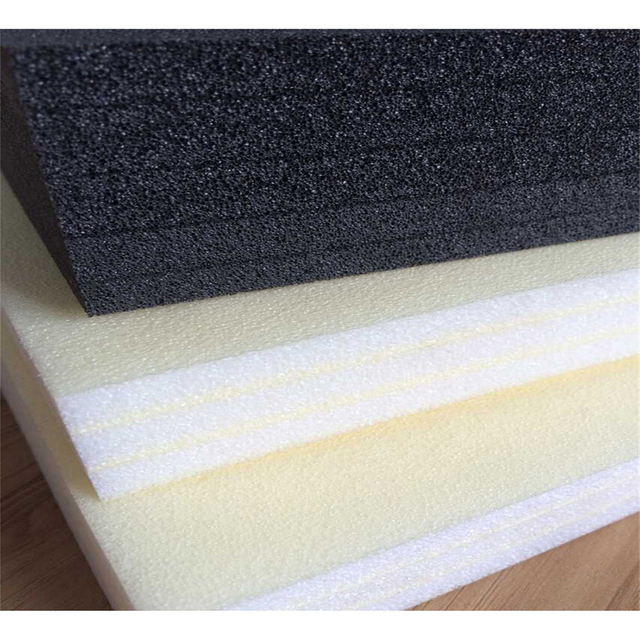
A: XPE stands for cross-linked polyethylene. It is a non-toxic, closed-cell foam that is lightweight, durable, and provides excellent cushioning. It's the industry standard because it's free of harmful chemicals like BPA, phthalates, and lead. Its waterproof and hypoallergenic properties make it a safe and hygienic choice for babies and toddlers.
A: It is generally not recommended to place heavy furniture with sharp or narrow legs on any foam play mat, as it will cause permanent indentations and may puncture the surface. Lighter items or furniture with wide, flat bases might be acceptable, but prolonged pressure will likely leave marks. It's best to keep the play area clear of heavy furniture.
A: Both styles are excellent for this transition. The key factor is size and thickness, not the format. A large, thick mat of either type provides ample space and cushioning for a baby learning to roll and crawl, and it remains a comfortable, protective surface for a toddler's more active play, building blocks, and inevitable tumbles.